

First Muslim US Senator-Elect Abdul El-Sayed Plans to Take Oath on Quran Instead of Bible
The Michigan senator-elect has not decided which Quran to bring, while reaffirming that his oath will be to the US Constitution
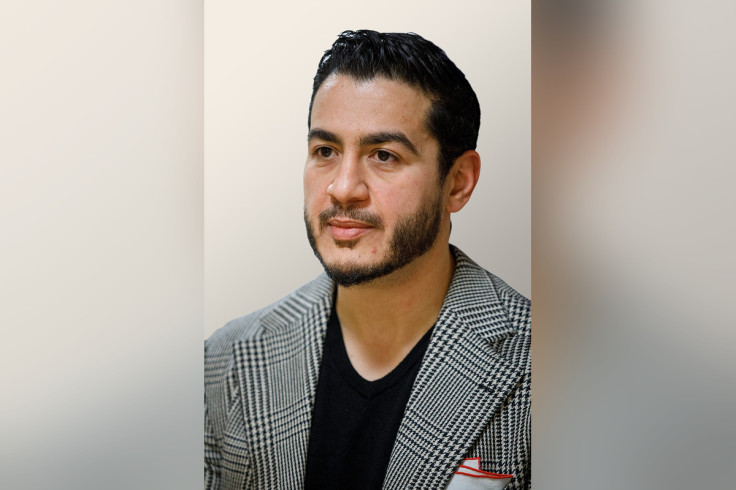
Abdul El-Sayed, the first Muslim elected to the US Senate, says he intends to take his oath of office on a Quran when he begins his term in January 2027. The Michigan Democrat is considering two historic copies of the Islamic holy book, including one once owned by former President Thomas Jefferson.
El-Sayed discussed his plans during an interview with NPR's Leila Fadel, published on Thursday, 12 November. Although he has yet to select a particular Quran, his remarks have drawn attention to the traditions surrounding congressional swearing-in ceremonies and the constitutional protections for religious freedom.
The former public health official defeated Republican Mike Rogers in Michigan's Senate race earlier this month. His victory will make him the first Muslim to serve in the upper chamber of Congress, following several Muslim lawmakers elected to the House of Representatives.
Why Is Abdul El-Sayed Considering Thomas Jefferson's Quran?
One of the religious texts El-Sayed is considering belonged to Thomas Jefferson, the third US president and one of the country's founding fathers. Jefferson purchased an English translation of the Quran in the 18th century, and the historic volume is now preserved by the Library of Congress.
The book has already played a role in American political history. In January 2007, Keith Ellison, the first Muslim elected to the US House of Representatives, used Jefferson's Quran during a ceremonial reenactment of his swearing-in.
Ellison's decision attracted national attention at the time, partly because Jefferson's ownership of the book reflected an early American interest in Islam. The volume also offered a connection between the country's founding history and the election of its first Muslim congressman.
El-Sayed's other possible choice has a more direct connection to Michigan. During his NPR interview, he referred to an old Quran held by the University of Michigan, describing it as the first Quran in the state.
Abdul El-Sayed:
— Clash Report (@clashreport) November 12, 2026
I will likely swear on a Quran. Which Quran, we're not sure.
Thomas Jefferson had a copy of the Quran. So when Keith Ellison was sworn in to Congress, he swore on that copy.
There's also the first Quran in the state of Michigan. The University of Michigan holds… pic.twitter.com/h1vhw5dPvr
Do US Senators Have to Take Their Oath on a Bible?
Despite the familiar images of American politicians placing their hands on a Bible, federal law does not require senators to use any religious text. The US Constitution instead requires public officials to swear or affirm that they will support the Constitution.
Article VI also prohibits religious tests as a qualification for federal office. This means that a senator's faith, or decision not to follow a religion, cannot legally determine whether they are eligible to serve.
According to the US Senate's official guidance, newly elected senators take their oaths individually during an open session of the chamber. Some hold a Bible or another personally significant text, while others take the oath without holding anything.
The ceremony is followed by an opportunity for senators to reenact their swearing-in, usually with family members present for photographs. This tradition allows lawmakers to mark the occasion in a more personal setting after completing the official constitutional requirement.
El-Sayed has not specified whether he intends to use a Quran during the formal Senate proceedings, the ceremonial reenactment or both. His choice would not alter the wording of the oath or the responsibilities he assumes as a senator.
JD Vance Expected to Swear In El-Sayed After Campaign Clashes
El-Sayed's inauguration could also produce an unusual encounter with Vice President JD Vance, who criticised him during the election campaign. As vice president, Vance serves as president of the Senate and traditionally administers the oath to newly elected members.
The two politicians exchanged criticism during the Michigan race, with Vance questioning El-Sayed's political positions and the Democrat responding publicly. Their disagreements were among the subjects raised during El-Sayed's conversation with NPR.
Asked about the prospect of Vance administering his oath, El-Sayed suggested that he did not intend to make the encounter uncomfortable. He also pointed to the irony of being sworn in by a political opponent who had challenged him during the campaign.
The vice president normally presides over the Senate's opening-day ceremonies, although another authorised presiding officer may perform the duty if necessary. No change to the expected arrangements for January has been announced.
El-Sayed Says His Oath Is About the Constitution, Not the Quran
While the religious text has become a talking point, El-Sayed said the more important issue is the document he will promise to defend. He explained to NPR that his allegiance as a senator would be to the US Constitution, regardless of which Quran he chooses.
He also recalled visiting the National Archives, where he had an opportunity to see an original copy of the Constitution. The experience, he said, reminded him that Americans can seek public office and elect representatives without regard to their religious beliefs.
For El-Sayed, that principle has particular significance as he prepares to become the country's first Muslim senator. His election follows years in which Muslim Americans have won seats in the House of Representatives but had not secured representation in the Senate.
© Copyright IBTimes 2026. All rights reserved.