Andy Burnham Ditches Digital ID Plan, Saying Billions Will Go To Cost-Of-Living Priorities Instead
Incoming UK Prime Minister Andy Burnham prioritises cost-of-living support over Starmer's controversial digital ID plan.

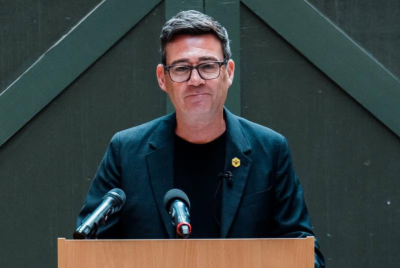
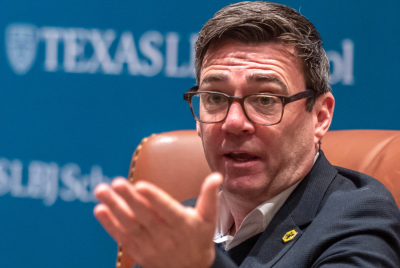
Andy Burnham will scrap plans for a government-issued digital ID scheme when he becomes UK prime minister on Monday, according to his office, marking the first major policy shift of his incoming administration.
The decision follows weeks of uncertainty over the future of the proposal and, Burnham's team said, will allow resources previously earmarked for the programme to be redirected towards easing cost-of-living pressures and supporting local economies.
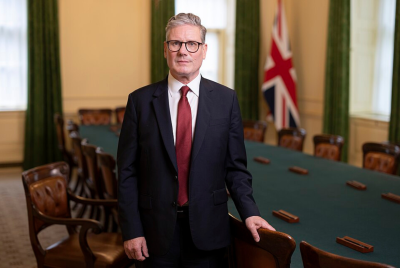
The digital ID scheme was first proposed under Sir Keir Starmer ahead of Labour's conference last year. It was initially presented as a mandatory system for workers, with ministers arguing it would help tackle illegal working while allowing people to access government services more easily. The policy was later softened after widespread opposition, with the government abandoning plans to make participation compulsory and instead recasting the scheme as voluntary.
Cost-of-Living Takes Priority
Burnham's office said abandoning the programme altogether represents a broader shift in priorities.
According to a spokesperson, 'the time and resource that was going to be spent on a national ID scheme will go instead to where it's most needed, such as helping with the cost of living'.
The spokesperson added that the move reflects 'a change in direction towards improving everyday life and strengthening local economies over expensive national government schemes'.
Although Downing Street previously rejected estimates from the Office for Budget Responsibility, the watchdog said last November that the programme could cost £1.8 billion over three years. Burnham's allies argue that those resources, together with the government's attention, are better directed elsewhere.
Speaking on Sunday with Laura Kuenssberg, Deputy Labour leader Lucy Powell described the savings as 'not an insignificant amount' and said the money would be 'reprioritised and redistributed in different ways'.
She suggested the change was about more than public spending.
'But it's not just about the money. It's actually about the attention and the focus, so that the whole of government machinery can work in service of the agenda and the vision that the Labour government is setting out under Andy Burnham,' Powell said.
Andy Burnham Inherits Digital ID Debate
The proposal has faced sustained criticism since it was announced.
Nearly three million people signed a parliamentary petition opposing mandatory digital IDs, prompting ministers earlier this year to retreat from that position and instead promote a voluntary system capable of handling services ranging from childcare administration to tax returns through a single application.
The revised approach failed to end the controversy.
Dame Karen Bradley, chair of the Home Affairs Committee, concluded after an inquiry that the government had been right to pursue digital identification in principle but mishandled its rollout. She described the way the policy had been presented as 'nothing short of a fiasco', saying it had fuelled concerns about government overreach into people's lives.
Burnham's office said one of the first actions of the new administration would be to place its focus 'where people need it right now'. Ending the digital ID project, the spokesperson said, would ensure resources previously allocated to the scheme could instead support people's everyday priorities.
Opposition parties, however, questioned whether Burnham was announcing a genuinely new policy.
Shadow technology secretary Julia Lopez argued that Labour had already abandoned mandatory digital IDs following Conservative pressure. She accused Burnham of attempting to 'pretend he's riding to the rescue' after Labour had already spent millions developing the project.
'Andy Burnham now needs to explain whether that was untrue, or whether he is simply claiming credit for a decision that had already been taken,' Lopez said.
Liberal Democrat MP Lisa Smart welcomed the announcement, saying many people would be relieved they would no longer be required to hand over personal data simply to go about their daily lives.
'We have long said the obscene sums earmarked for digital ID would be a huge waste of taxpayers' money, and it's a relief that Burnham has woken up to that,' she said.
UK Prepares for Policy Shift from Incoming PM
The announcement comes alongside another expected policy shift from the incoming prime minister.
Burnham is also preparing to outline plans supporting new oil and gas drilling in the North Sea after taking office, while maintaining Labour's existing manifesto commitment not to issue new licences. His allies have described that approach as pragmatic, suggesting the emphasis will be on accelerating development of licences that have already been approved rather than changing the party's formal policy.
As Burnham prepares to meet King Charles III on Monday before entering Downing Street, Conservative leader Kemi Badenoch has criticised his programme for government as 'airy fairy', arguing the country requires leadership willing to make difficult decisions.
© Copyright IBTimes 2025. All rights reserved.
- Recommended For You