

Bonnie Greer Dies Aged 77 Leaving Lasting Mark on British Culture Through Her Work on Race, Identity and Women
The novelist, playwright and broadcaster became a prominent voice on representation and cultural life after moving from Chicago to Britain
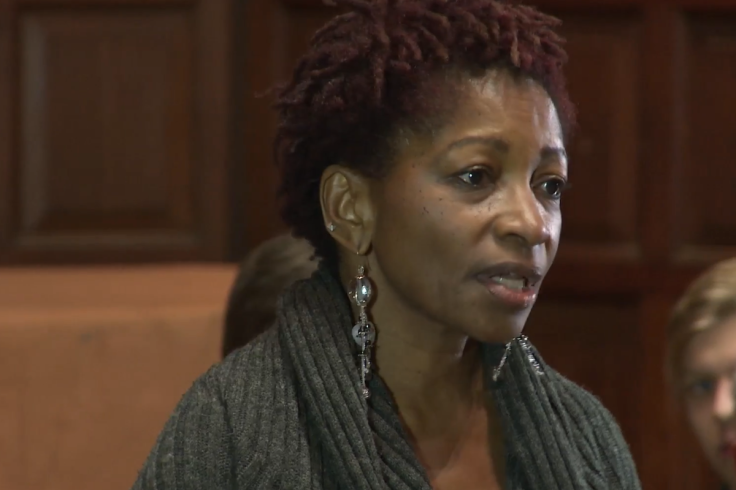
Bonnie Greer, the British-American writer, playwright and broadcaster whose work on race, identity and the lives of women helped shape late 20th and early 21st century British cultural debate, has died aged 77 after a brief illness. Her death was confirmed by her husband, David Hutchins.
Over a career spanning literature, theatre, radio and television, she became a familiar presence in British cultural life, using her writing and broadcasting to examine questions of identity and society.
Born in Chicago in 1948, Greer moved to Britain in 1986 and became a British citizen in 1997. She subsequently established herself as a writer and commentator whose work crossed traditional cultural boundaries.
Her literary career included novels and non-fiction, with works including 'Hanging By Her Teeth' and 'Obama Music'. Her writing often explored race and identity, as well as women's experiences and relationships with wider society.
Bonnie Greer's Influence on British Culture
Greer's influence extended well beyond books. She wrote radio dramas for the BBC and became a recognisable television personality through appearances on programmes including 'Question Time'.
Her ability to move between literature, broadcasting and cultural institutions helped establish her as a prominent voice in discussions about Britain, race and representation. Greer's own experience as a black American who made her life in Britain informed much of her perspective.
In a 2001 essay, she wrote about growing up in a diverse part of north London and the relationship between race and culture.
Greer also used her writing to examine the experiences of women and the intersection of gender and race.
In a 2000 essay, 'Seeing is believing', she reflected on the lack of representation of black women in mainstream culture, recalling her childhood reaction to seeing black women represented in advertising and television and questioning what that visibility meant for younger generations.
Her writing also explored women's relationships, expectations and independence, including essays that considered why women can be drawn to unconventional or difficult relationships. These themes complemented her wider examination of race and identity, particularly the experience of black women navigating British and Western cultural spaces.
A Career Across Literature, Theatre and Broadcasting
Greer's work was not confined to a single medium. She wrote for the stage and radio while continuing to publish books and contribute to public conversations about culture.
She also held positions connected to some of Britain's leading cultural institutions. Her work within the arts placed her at the intersection of literature, broadcasting and public life, giving her a platform from which she could discuss subjects that were often politically and socially contested.
In 2010, Greer was appointed an OBE for her contribution to the arts. She was later made a fellow of the Royal Society of Literature in 2022, further recognising her contribution to British literary and cultural life.
Tributes to Bonnie Greer
News of Greer's death prompted tributes from figures across British cultural and public life. Writer Bernardine Evaristo was among those paying tribute, while former deputy prime minister David Lammy also remembered Greer's contribution.
Their responses reflected the breadth of her influence and the regard in which she was held as a writer and public intellectual.
Greer's work also contributed to the wider development of black British cultural conversations. Her career unfolded during decades in which Britain's understanding of race, multiculturalism and identity changed, and she frequently brought those questions into mainstream cultural spaces.
Her work showed that conversations about race and identity were closely connected with questions about gender, belonging and the wider definition of British culture.
Remembering Bonnie Greer's Legacy
Greer's death marks the loss of a distinctive voice in British cultural life. She combined the perspectives of a novelist, playwright, broadcaster and commentator, while using each platform to encourage audiences to consider questions of identity and representation.
From her early life in Chicago to her later career in Britain, Greer built a body of work that reflected the complexity of belonging across cultures. Her writing and broadcasting ensured that conversations about race, women and identity reached audiences beyond the literary world.
At 77, Bonnie Greer leaves behind a varied cultural legacy, one shaped not only by the books and plays she created, but also by the conversations she helped bring into Britain's mainstream cultural landscape.
© Copyright IBTimes 2026. All rights reserved.