MAGA Christians Allegedly Defend Trump Detention Centers Where Children Report Dirty Water, Mouldy Food and Illness
Reports from Dilley Detention Centre reveal troubling conditions for children amid immigration debate
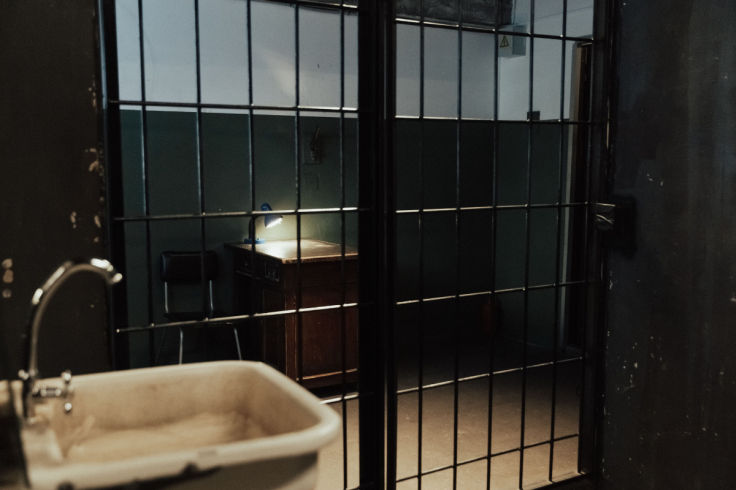
Children asking for clean water, missing their teddy bears and wondering when they can go home have become some of the most powerful voices in America's immigration debate.
While many MAGA Christians continue to defend President Donald Trump's immigration detention policies as necessary for law and order, fresh accounts from inside the Dilley Detention Centre paint a deeply troubling picture.
Reports of dirty drinking water, mouldy food, delayed medical treatment and worsening physical and mental health have fuelled criticism that the conditions experienced by children stand in sharp contrast to the Christian values many supporters say they are protecting.
Children Describe Life Inside The Dilley Detention Centre
The discussion gained renewed attention after author and researcher Amy Hawk appeared on Pat Kahnke's podcast to discuss the conditions inside the Dilley Detention Centre in Texas.
Hawk said her research began after reading 'Letters From Dilley', a collection of letters and drawings created by detained children hoping their stories would reach the outside world.
According to Hawk, many of the families being held have not been convicted of crimes. Instead, she said they are asylum seekers who attended scheduled immigration appointments before being detained during the legal process.
She described children experiencing unsafe drinking water, frequent stomach illnesses, vomiting, diarrhoea and noticeable weight loss. Fresh fruit and vegetables were reportedly scarce, while some meals allegedly contained mouldy or worm-infested food. Parents also faced delays in securing medical care despite children becoming seriously ill.
'It's morally wrong and it is child abuse,' Hawk said during the podcast.
She added that outbreaks of illness, including measles, together with poor sanitation and prolonged confinement, have created conditions that leave lasting physical and emotional scars on children.
Families Following The Rules Still Face Detention
The podcast highlighted the case of Liam Ramos and his father, who reportedly entered the United States legally to seek asylum and attended every required immigration appointment before eventually being detained.
The conversation also touched on the Trump administration's authority to revoke Temporary Protected Status for hundreds of thousands of migrants.
Podcast host Pat Kahnke questioned whether changing someone's legal status automatically justifies harsh detention conditions for children. He argued that many supporters accept these measures because they believe they are enforcing immigration law rather than examining the human consequences.
Research Points To Long Lasting Trauma For Children
Hawk pointed to research examining children detained during Trump's first administration, claiming the psychological effects remain severe long after release.
She said many children continue to experience post-traumatic stress disorder, depression and difficulties concentrating in school. Some children currently held at Dilley have reportedly remained there for nearly a year, despite family detention originally being intended as a much shorter process.
The emotional toll appears throughout the children's letters. Some simply write that they miss school or their favourite toys, while older children describe overwhelming sadness and fear about their future.
One child reportedly wrote, 'I feel so much sadness and depression of not being able to leave.'
Hawk also drew comparisons with her father's experience as a prisoner of war in Vietnam, explaining how years of confinement left lifelong psychological and physical effects. She argued that exposing young children to similar environments could produce trauma that lasts well into adulthood.
MAGA Christians Accused Of Defending Detention Centres
Throughout the podcast, Pat Kahnke and Amy Hawk argued that some Christians continue to defend or justify the Trump administration's immigration detention policies by framing them as part of enforcing the law and protecting a 'godly nation'.
Kahnke said some supporters point to Romans 13, which teaches obedience to governing authorities, to justify the government's actions despite reports of children living in poor conditions. 'People will often say things like, "Well, Romans 13. You're supposed to obey the government"... but this is cruelty,' he said.
Hawk argued that the policies are often presented under the banner of Christian values while, in her view, causing unnecessary harm to children.
'They're hurting children in the name of Jesus essentially... pretending to be pro-life... doing this in the name of we need to make our nation a godlier nation,' she said.
Kahnke also challenged Christians who support President Donald Trump, asking whether changing migrants' legal status should excuse the conditions children face inside detention facilities. 'Do you get to excuse the conditions that these kids are in because Donald Trump has made them illegal?' he asked.
Later in the discussion, Hawk expressed disappointment that many Christians continue to support the policies despite the reported suffering inside the centres. 'It's really disheartening to have Christians in support of this,' she said, adding, 'Anybody that is condoning this is not attached to the heart of Christ.'
Kahnke went further by arguing that Trump's immigration messaging appeals strongly to parts of the white evangelical Christian community, claiming the administration is seeking support from 'the most bigoted people in the United States of America, most of whom are white evangelical Christians'.
For supporters of Trump's immigration policies, strict enforcement remains essential to protecting national borders. For critics, however, the reports emerging from Dilley raise a more uncomfortable question.
© Copyright IBTimes 2025. All rights reserved.
- Recommended For You