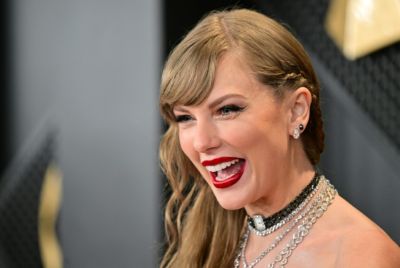
The Devil Wears Prada 2 Release Date, Cast, Plot, Spoilers and Trailer: Anne Hathaway Issues 'Barbie-Style' Challenge
Anne Hathaway invites fans to a 'Barbie-Style' fashion event for the sequel's premiere.


The first signal that The Devil Wears Prada had slipped from "nice mid‑2000s comedy" into something closer to a secular religion wasn't the sequels or the memes. It was the outfits.
Even now, nearly 20 years on, you can spot the disciples: women in oversized sunglasses and sharp coats joking about 'Gird your loins', office workers quoting Miranda Priestly's cerulean monologue as if it were scripture. Which is why, when news finally broke that The Devil Wears Prada 2 is not only happening but arriving this year, it felt less like a studio announcement and more like a call to wardrobe.
Anne Hathaway clearly thinks so. She has, in effect, challenged fans to turn opening weekend into a global fashion show.
The Devil Wears Prada 2: Release Date, Cast And A 'Barbie-Style' Challenge
The sequel to The Devil Wears Prada lands in cinemas on 1 May 2026 – a date originally earmarked for Marvel's Avengers: Doomsday, which tells you something about how seriously Disney is taking this particular slice of haute couture nostalgia.
Production quietly started in June 2025, with Disney confirming cameras were rolling and Hathaway later sharing a first‑look image of herself back in Andy Sachs mode on 21 July.
Suddenly, those throwback TikToks and endlessly recycled GIFs of Meryl Streep arching an eyebrow had a future, not just a past.
The core four are all in. Meryl Streep returns as Runway's ice‑cold editor‑in‑chief Miranda Priestly; Anne Hathaway is back as former junior dogsbody Andy; Emily Blunt reprises her role as gloriously put‑upon assistant Emily Charlton; and Stanley Tucci slides once more into the perfectly tailored skin of Nigel, the long‑suffering fashion director. That alone would be enough to sell millions of tickets.
But the sequel is not just a reunion tour. Kenneth Branagh has joined the cast as Miranda's husband – a tantalising prospect, given how sketchily her private life was drawn the first time. Simone Ashley (of Bridgerton fame) is on board, as are Lucy Liu, Justin Theroux, B.J. Novak and Pauline Chalamet. Rachel Bloom and Patrick Brammall have also been added to the line‑up, while Tracie Thoms and Tibor Feldman are set to reprise their original roles.
Behind the camera, much of the original creative DNA is intact. Aline Brosh McKenna, who wrote the first film, is penning the screenplay again. Director David Frankel has been in talks to return, and long‑time producer Wendy Finerman is back shepherding the project. In other words, this is not a cynical straight‑to‑streaming spin‑off; it is the original team trying, very carefully, to recapture lightning in a much more complicated bottle.
Plot‑wise, the focus this time shifts from Andy's wide‑eyed descent into fashion hell to Miranda herself. The sequel will explore the editor's perspective as she confronts the slow, humiliating decline of the print magazine empire she once ruled like a god. It is not hard to imagine the dramatic possibilities: a woman whose power was built on glossy paper and iron‑clad access, now staring down analytics dashboards, TikTok trends and an industry that no longer genuflects when she enters the room.
Done badly, that could feel like a thin exercise in "old media versus new". Done well, it could turn Miranda from an iconic villain into something richer – a portrait of female power ageing in a business that worships youth and moves on without a backward glance.
Anne Hathaway Wants Fans To Treat The Sequel Like Barbie
Hathaway, for her part, is clearly determined that the experience around The Devil Wears Prada 2 matches the ambition on screen. Speaking to Vogue, she issued what can only be described as a 'Barbie‑style' marching order to the fanbase.
'I'm hoping everybody dresses up and goes to the movies,' she said, explicitly invoking the mass pink‑clad pilgrimage that turned Barbie screenings into something between a hen night and a protest march.
'I hope people remember how much fun they had wearing hot pink and going to see Barbie,' she added. 'I'm hoping that everybody puts on their favourite Miranda Priestly‑approved outfit and just has a blast.'
It is a shrewd, and slightly wicked, suggestion. Where Barbie had people scrambling for fuchsia, Prada invites a different kind of dress‑up: razor‑sharp blazers, statement sunglasses, boots that say 'I could fire you with a look'. The unofficial dress code Hathaway is hinting at is not so much pretty as powerful.
She even floated a slogan – WWMPD: What Would Miranda Priestly Do? – a knowing twist on the old WWJD bracelets that tells you everything about how thoroughly the character has embedded herself in pop culture's psyche.
If audiences take her at her word, opening weekend showings could look like satellite editions of Fashion Week: foyers full of people channelling their inner devil, nervously checking whether their cerulean jumper is the right cerulean, daring each other to wear something Miranda would sneer at and somehow still get away with.
There is, underneath the fun, something quietly radical about that. In 2006, The Devil Wears Prada was marketed as a fizzy comedy about a naïve girl and her terrifying boss. Over time, it has been reappraised as a sharper piece of work about female ambition, compromise, the cost of excellence and the way work can swallow your whole identity.
That the sequel is arriving into a world reshaped by #MeToo, by the collapse of traditional media and by social networks where everyone is their own brand, gives it a very different charge. Andy Sachs in 2026 is not a baby journalist grateful for any job; she is a woman in middle age, with all the scars and perspective that implies. Miranda facing the death of print is not just a boss in a bad mood; she is a monarch watching her kingdom be dismantled by forces she cannot entirely control.
Hathaway's invitation to treat the cinema like a runway isn't simply marketing fluff. It is an acknowledgement that for a lot of viewers, particularly women who watched the original as teenagers and are now navigating their own versions of Runway‑adjacent workplaces, the film is more than comfort viewing. It is a shared language about how clothes can be armour, how workplaces can be war zones, and how complicated it is to want things – status, beauty, respect – in a culture that punishes you for saying so out loud.
If The Devil Wears Prada 2 can thread that needle – delivering the quotable lines and fantasy wardrobes people expect while actually saying something honest about the world it is returning to – Hathaway may get her wish. The screenings will be fashion shows. And somewhere, in the middle of all that faux fur and real anxiety, a hundred Miranda Priestly clones will glance down the aisle, arch an eyebrow, and know they are being watched.
That's all.
© Copyright IBTimes 2026. All rights reserved.
- MOST POPULAR IN Entertainment