86-Year-Old With Dementia Scammed Out of $10K: Fraudsters Even Drove Her to Bank to Withdraw Cash
The scam involved false claims of an arrest and bail, with fraudsters arranging to pick up the money in person
An 86-year-old woman with dementia handed $10,000 (£7,500) in cash to a stranger after fraudsters posing as her grandson's lawyer convinced her he was in jail, then had her driven to her bank to withdraw it.
The victim, who lives in the Mount Washington area of Cincinnati, was targeted in late July, according to her family and Cincinnati police. Officers are searching for the man accused of driving her to the bank.
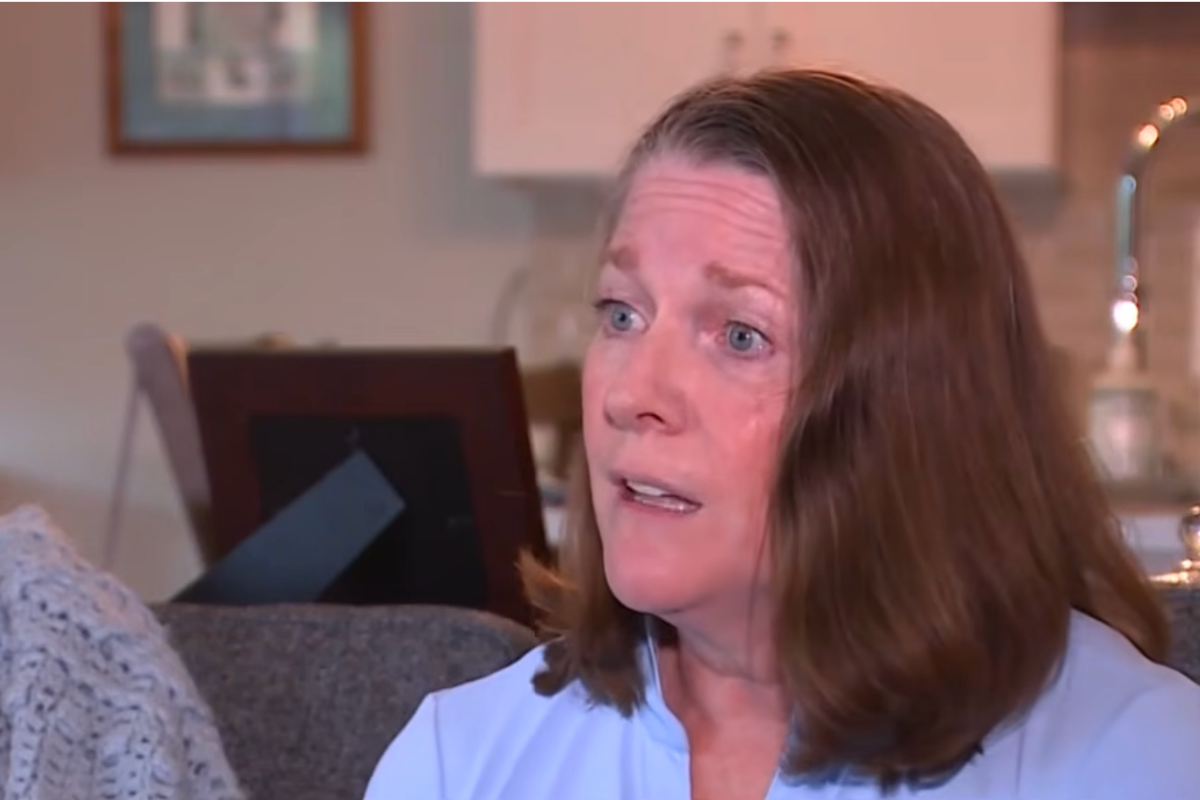
Her daughter, Margie Massey, said the ordeal began with a phone call that left her mother frightened and sworn to secrecy. 'She said, you can't tell anybody. Something really awful happened,' Massey told WLWT, the NBC affiliate that interviewed the family.
The callers claimed her grandson had been arrested after a car crash that never happened, and said his lawyer needed $8,500 (£6,375) to post bail. Her mother handed the money over. 'It was his lawyer and so I gave them the money,' she told her daughter.
How the cash changed hands troubled Massey. Her mother does not drive, so rather than request a wire or send a courier, the fraudsters arranged to collect her. 'They came and picked me up and took me to the bank,' her mother recalled. She withdrew the full $10,000, more than the sum demanded, and handed it over.
Massey worked out what had happened almost immediately. 'You got scammed', she recalled telling her mother, before ringing the bank and the police.
Inside the Fake Grandson Scam That Cost $10,000
It is a version of the grandparent scam, a con fraud investigators know well. A caller invents a family emergency, usually an arrest or a crash, demands secrecy, and pushes the target to move money before anyone can step in. Cash is favoured because it is almost impossible to trace or recover.
Massey also questioned why a $10,000 withdrawal by an elderly customer with no record of large cash transactions did not prompt a second look at the counter. She returned to the branch and had the account restricted. 'She cannot take out any money without any one of her five children with her,' Massey said. Her mother, who is also hard of hearing, had never withdrawn such a sum before. 'She's never taken that much cash out.'
Her mother described the driver to police as a dark-haired man with a mole, in a black sedan. The investigation continues.
How Families Can Guard Against Grandparent Scams
The financial toll is climbing. Americans reported a record $15.9B (£11.9B) in fraud losses in 2025, with those aged 50 and over accounting for $4.3B (£3.2B), according to the Federal Trade Commission. In its latest report to Congress on older consumers, the agency logged a jump in people over 60 losing more than $100,000 (£75,000) to a single scam, and its data show a more than four-fold rise since 2020 in older victims reporting losses of $10,000 or more to impersonation scammers.
Government and family impersonation sit at the centre of that trend. The FTC's warning is blunt. No legitimate bank, agency, or officer will ask someone to move money to keep it safe, and no real investigation depends on hiding it from relatives. The safest response is to hang up and call the person or institution back on a number you already trust.
Banks are often the last line of defence, and some now train counter staff to challenge unusual cash withdrawals by older customers. In this instance, no one at the branch stopped the payment.
The same tactics operate in Britain, where 'safe account' and courier scams involve fraudsters posing as a bank or a police officer to persuade victims to move their savings. The guidance on both sides of the Atlantic matches: pause, verify with someone you trust, and never move money on a single phone call.
For Massey, the lesson is one she wants other families to act on before a call ever comes. 'Talk to your parents and say, hey, listen for this scam,' she said. 'If they say a person that you know or a loved one that you know, make sure you call someone before you go out and do this.'
Her mother made it home safely, but the money is gone.
© Copyright IBTimes 2025. All rights reserved.
- Recommended For You