Hantavirus vs COVID: Is the Atlantic Cruise Ship Hantavirus Outbreak More Dangerous Than Coronavirus?
The cruise remains stationary at anchor in the waters near Praia, the capital of Cape Verde

A suspected hantavirus outbreak aboard the MV Hondius has left three passengers dead and several others ill, raising urgent questions about how the virus compares to COVID-19.
The Dutch-flagged expedition vessel, which departed Ushuaia on 20 March for a weeks-long Antarctic and Atlantic voyage, is now anchored off Cape Verde as health authorities investigate.
One case has been laboratory confirmed, with five more suspected. While the fatality rate has alarmed travellers, experts say the situation is fundamentally different from a COVID-style outbreak.
What Happened on the MV Hondius Cruise Ship?
The outbreak unfolded during a 45-day travel covering Antarctica, South Georgia and the Falklands. According to reports, among six identified cases, three passengers — including an elderly Dutch couple — have died.
🇬🇧🇿🇦🇦🇷 A hantavirus outbreak on a cruise ship has left 3 people dead and another in intensive care.
— Mario Nawfal (@MarioNawfal) May 3, 2026
The MV Hondius, a polar expedition vessel carrying around 170 passengers and 70 crew, was sailing from Argentina to Cape Verde when 6 people became ill.
3 have now died,... pic.twitter.com/TshiVVzIuW
A British passenger remains in intensive care in South Africa, while two crew members are still onboard and require urgent medical attention.
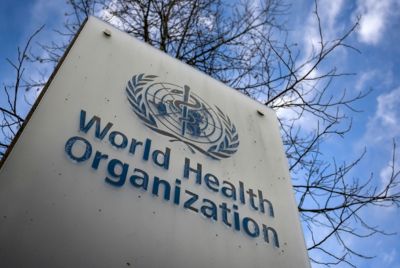
The World Health Organisation is leading the response alongside local authorities, with the vessel undergoing deep cleaning and environmental checks. Crucially, investigators have not found evidence of widespread person-to-person transmission, shifting focus to how exposure occurred.
How Hantavirus Spreads at Sea and on Land
Hantavirus is not a typical respiratory virus like COVID-19. According to experts, it is primarily transmitted through contact with infected rodent droppings, urine or saliva, often when particles become airborne in enclosed spaces.
On the Hondius, investigators are examining two main possibilities: a rodent presence onboard during the long trip, or exposure during land excursions in regions where infected rodents are known to exist. The virus can reportedly incubate for up to eight weeks, meaning exposure may have occurred early in the trip.
Hantavirus vs COVID-19: Key Differences Explained
The comparison driving online searches — hantavirus vs COVID — comes down to two factors: severity and spread.

Hantavirus, particularly strains causing pulmonary syndrome, carries a far higher fatality rate, estimated between 35% and 40% in severe cases. COVID-19, by contrast, has a much lower mortality rate in its current form, especially with vaccines and treatments widely available.
However, COVID spreads easily between people through respiratory droplets and aerosols, which allowed it to become a global pandemic. Hantavirus does not behave this way. Most strains do not transmit between humans at all, with only rare exceptions documented in South America.
Is Cruise Outbreak Another Pandemic?
Despite the deaths, experts stress that the Hondius outbreak does not signal a wider global threat. The virus is considered rare and typically linked to specific environmental exposure rather than sustained human transmission.
The cluster on the ship is likely tied to a contained source — either onboard contamination or a shared exposure point during the travel. Without efficient human-to-human spread, the risk remains limited to those directly exposed.
What makes hantavirus more dangerous and less risky than COVID is that, per case, hantavirus is significantly more severe.
Patients often begin with flu-like symptoms before rapidly developing breathing difficulties and fluid buildup in the lungs, which can become fatal without intensive care. But in broader public health terms, COVID remains far more dangerous due to its ability to spread widely and infect millions. Hantavirus outbreaks, while serious, tend to remain isolated.
Meanwhile, authorities continue to test passengers and crew members of the cruise, while analysing environmental samples from the ship. Identifying the exact strain potentially linked to South America will be key to understanding how the outbreak began.
© Copyright IBTimes 2025. All rights reserved.
- Recommended For You