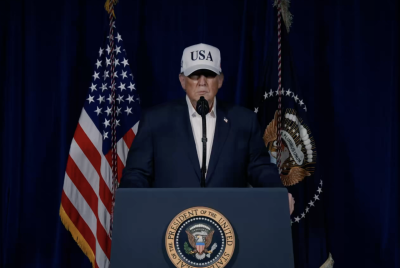
Iran Declares Six-Month War Readiness While Claiming to Destroy 80 Drones, Contradicting Trump's Victory Claims
Iran says it is holding back its modern missile systems for later stages of the conflict

Iran's Islamic Revolutionary Guard Corps (IRGC) has declared that its military is capable of sustaining at least six months of intense warfare against the United States and Israel.
Brigadier General Ali Mohammad Naini, speaking to the semi-official Fars News Agency, said Iranian forces had intercepted and destroyed more than 80 advanced enemy drones since the beginning of the conflict on 28 February. The announcement contradicts statements from US President Donald Trump, who previously claimed that Tehran's military had been significantly weakened and the war was nearly won.
The declaration comes amid a week of ongoing hostilities, during which Iran has fired over 500 ballistic and naval missiles and deployed nearly 2,000 drones across the region. According to IRGC sources, almost 40% of these attacks were aimed at Israel and 60% targeted United States bases and facilities in neighbouring countries.
Iran Retains Advanced Weapons for Later Phases
The IRGC emphasised that many of the missiles used in the early stages of the war belong to first and second-generation systems produced between 2012 and 2014. Naini indicated that more modern missile systems developed in the past decade have not yet been deployed. Analysts note that this approach suggests Iran may be preserving its most capable weapons for later phases of the conflict.
Iranian officials have also described their air defences as successful against advanced enemy drones and missile systems. The IRGC claims that seven radar systems and THAAD missile defence units were destroyed during Iranian counter-operations, demonstrating resilience against aerial assaults.
US and Israeli Military Perspective
While Iranian authorities have projected military readiness, the United States and Israel continue to assert operational control over the skies in the region. Israeli Prime Minister Benjamin Netanyahu stated that Israel and US forces have gained near-total air superiority over Tehran.
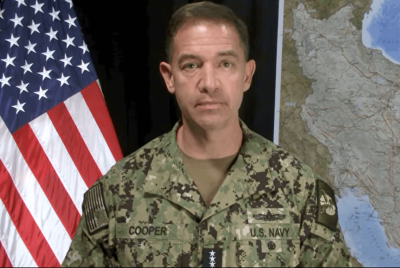
United States Central Command officials reported that the rate of Iranian missile launches has decreased by approximately 90% since the opening days of the campaign, which they attribute to the destruction of launchers and ammunition depots.
President Trump has repeatedly maintained that American and Israeli forces are achieving decisive outcomes. The White House has not ruled out further escalation, including the possible deployment of special forces, but Pentagon officials have emphasised that aerial campaigns remain the primary operational focus.
Regional Impacts and Civilian Considerations
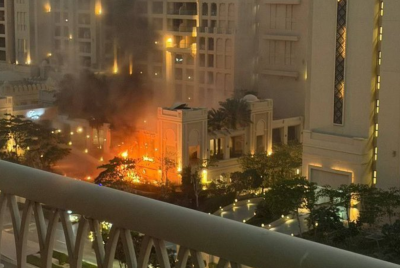
The ongoing conflict has affected Gulf states, including Bahrain, Kuwait, Qatar, Saudi Arabia, and the United Arab Emirates, where some civilian infrastructure has been damaged as a result of Iranian missile and drone strikes. Iranian Foreign Minister Abbas Araghchi told NBC News that these strikes targeted American military installations and that civilian casualties were considered collateral damage.
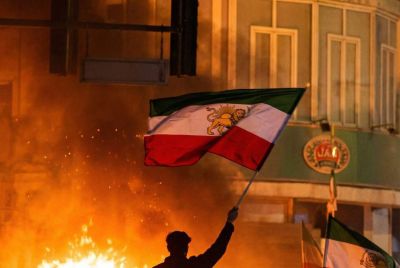
Reports from Iran indicate internal pressures as well. Protests have been documented at detention facilities such as Qarchak Prison, where female inmates demonstrated against wartime conditions following nearby attacks. Resistance groups have also announced activities in Tehran and at least 18 other cities, highlighting internal challenges within Iran amid the ongoing conflict.
Weapons Supply and Operational Sustainability
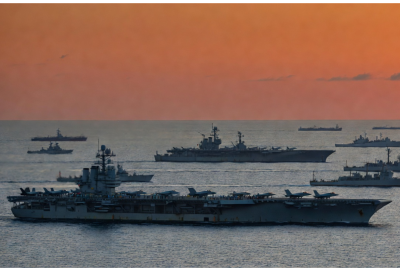
The intensity of the current campaign is straining military resources on both sides. The United States has expended large numbers of Patriot interceptor missiles, with each unit costing approximately $4 million (around £3 million) compared with roughly $35,000 (roughly £26,000) for an Iranian Shahed drone. Analysts note that this cost imbalance may have long-term implications if the conflict continues at the present pace.
Iran's six-month readiness declaration signals that the country intends to maintain operations despite sustained attacks and high-pressure conditions. Military experts suggest that the strategic preservation of advanced missile systems may enable Iran to extend its operational capacity over the coming months.
© Copyright IBTimes 2025. All rights reserved.
- Recommended For You