

Italy School Bomb Threats Signed by 'Leader of Misoginistan' Force Evacuation of 300 Schools
Schools from Milan to Sicily were evacuated after threats signed 'Mikhail Andropov' as police investigate with no suspect identified
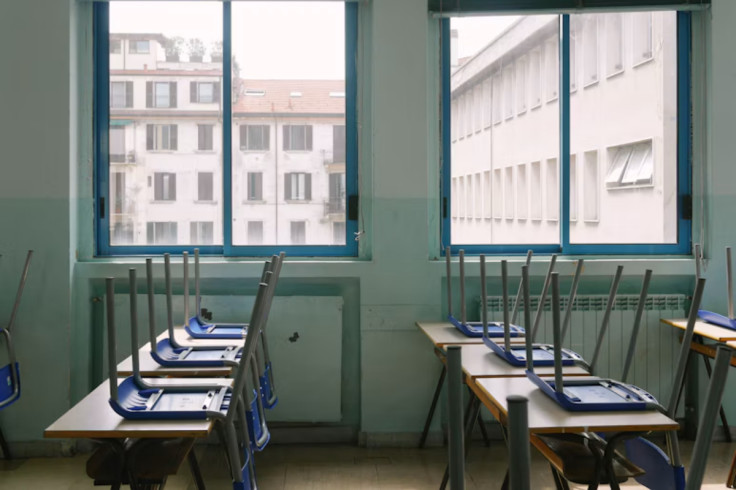
At least 300 schools across Italy received bomb-threat emails on Wednesday, 11 November, prompting evacuations at many and leaving authorities searching for the sender. The messages were signed by a purported 'Mikhail Andropov.'
Education Minister Giuseppe Valditara later put the total at 312 and said it was likely to rise. He said the concrete risk was practically non-existent and described the emails as most likely a cyberattack.
The email identified its author as 'Mikhail Andropov, leader of the Vilayat of Misoginistan.' The signature does not establish who sent the message. No authority has publicly identified the person responsible.
The Signature Offers No Clue to Who Sent the Threats
The name had appeared in threatening emails sent to newsrooms in Ireland and Bulgaria, and to Sky News, on Friday, 6 November. The purported author also claimed responsibility for threats affecting European passenger flights. Reuters reported that it could not establish the sender's identity or the emails' origin.
Evacuations were reported from Milan to Sicily. More than 50 schools were in Lazio. Prime Minister Giorgia Meloni called a meeting with ministers and intelligence chiefs, saying no concrete danger had emerged.
Northern Ireland's Education Authority also reported threatening emails to schools. The PSNI later said more than 300 schools had received the message and confirmed police were treating it as a hoax. Officers said it originated outside the UK.
In Scotland, about 470 schools received threatening messages, and some were evacuated.
The Education Authority said the email resembled hoax threats sent to schools on 19 October.
What the Mikhail Andropov Signature Reveals
The phrase 'Vilayat of Misoginistan' does not prove the existence of an organisation behind the threats. Nor does the surname establish a connection to Russia. The sender's identity and motive remain unconfirmed.
Italian Defence Minister Guido Crosetto described the threats as 'part of a strategy that is quite clear by now: to spread fear and create anxiety', according to Adnkronos. He cautioned against assuming foreign governments were responsible.
Crosetto said the threats could also come from 'attention-seekers and lunatics'. He did not identify a suspect or attribute the emails to a particular group.
School Threats Add to Europe's Security Concerns
The alerts came amid other threats and cyber incidents affecting European transport and infrastructure. Links between the incidents remain under investigation.
France summoned Iran's ambassador on Monday after accusing Tehran of a cyberattack that disabled refrigerators in hundreds of supermarkets. Iran's mission to the United Nations did not respond to Reuters' requests for comment.
European officials have voiced concern that hoax threats could form part of a wider campaign of hybrid disruption, which some have blamed on Russia. Moscow has denied involvement. No official has publicly connected Russia to the Italian school emails.
Italian police were investigating, and Digos officers were treating the emails as false alarms. Authorities had not announced an arrest or publicly named a suspect. For now, 'Mikhail Andropov' is only the name in the email signature.
For pupils, parents and school staff, the consequence was disruption and uncertainty. More than 300 Italian schools were affected despite the education minister's assessment that the risk was practically non-existent. Investigators are working to identify the sender and establish whether the threats share a common origin.
© Copyright IBTimes 2026. All rights reserved.