Kate Middleton's Wedding Secret: The 'Vandalised' Car Request That Reportedly Caused Panic at the Palace
The Rolls-Royce was the same car that had been attacked in December 2010 when King Charles and Queen Camilla were travelling to the Royal Variety Performance
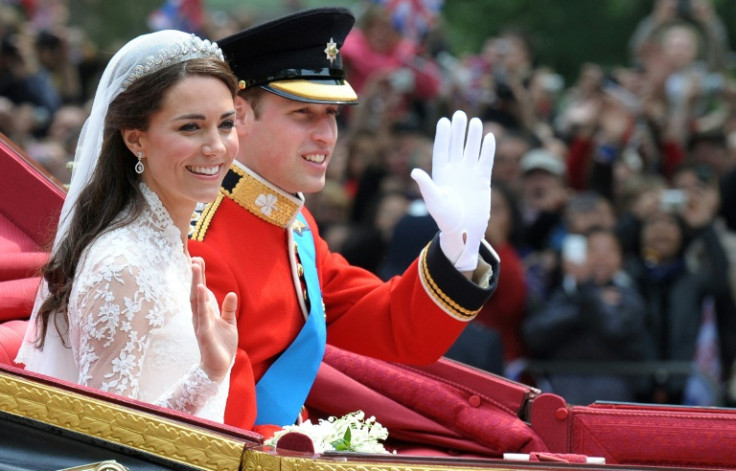
Kate Middleton reportedly caused 'panic at the Palace' before her wedding to Prince William at Westminster Abbey in London on 29 April 2011, after asking to travel in a 1977 Rolls-Royce Phantom VI rather than the traditional Glass Coach, according to royal author Russell Myers.
The wedding was always going to be treated as an exercise in symbolism as much as ceremony, which meant even seemingly modest choices carried unusual weight. In Myers' account, published in his book William and Catherine: The Monarchy's New Era: The Inside Story, Catherine's decision over how she would arrive became one of those details that looked small from the outside and rather less small within palace walls.

That is what makes the episode interesting now, 15 years on. Royal weddings are choreographed to the last inch, and transport is never just transport.
A carriage says one thing. A vintage Rolls-Royce says another. Both are royal, but only one lets a bride appear slightly less like she is stepping into a museum case.
Why Kate Middleton Wanted A Different Wedding Arrival
Myers says Kate Middleton wanted to travel to Westminster Abbey in the Phantom VI, a gift from the manufacturer to the late Queen on her Silver Jubilee. It was hardly an anti-establishment choice. If anything, it was a nod to continuity with a more understated gloss.
Still, the request appears to have unsettled courtiers because it cut across an obvious visual tradition. Myers writes, 'Courtiers were also surprised when Catherine announced her wish not to travel in the traditional horse-drawn Glass Coach, as used by Diana, Princess of Wales, as well as Queen Elizabeth.'
He offers a simple explanation for why she drew that line. 'As much as tradition was at the forefront of her mind, Catherine wanted a modern slant on the proceedings and was of the view that she was not yet a 'princess' who would use such a mode of transport.' That is a revealing detail, not least because it suggests a bride trying to manage the tone of her entrance before she had even joined the Firm.
There is a faint irony in it. The less theatrical option may have felt more fitting for Catherine, but it was also the one with baggage. Not romantic baggage, which royal books tend to have in abundance, but security baggage, and that is where the story sharpens.
How Kate Middleton's Car Choice Triggered Palace Concern
The Rolls-Royce was the same car that had been attacked in December 2010 when King Charles and Queen Camilla were travelling to the Royal Variety Performance. Myers says protesters splattered the vehicle with white paint and smashed a rear window, an episode that plainly changed how the car was viewed inside official circles.
According to Myers, that history prompted immediate concern when Catherine chose it for her wedding day. He writes that the decision 'prompted panic at the palace,' with officials fearing that an alternative vehicle might be necessary in the event of similar unrest.
Myers also says the Metropolitan Police conducted an immediate review and issued additional briefings to officers to remain vigilant against copycat protests. The supplied material does not include a direct statement from the Met or a contemporary palace response, so the scale of that alarm rests on Myers' account and should be treated with appropriate caution.
Even so, the outline is clear enough. A bride wanted a more modern arrival. Palace officials saw a vehicle recently caught up in a very public attack. Those two instincts collided in the final stretch before one of the most-watched weddings of the era.
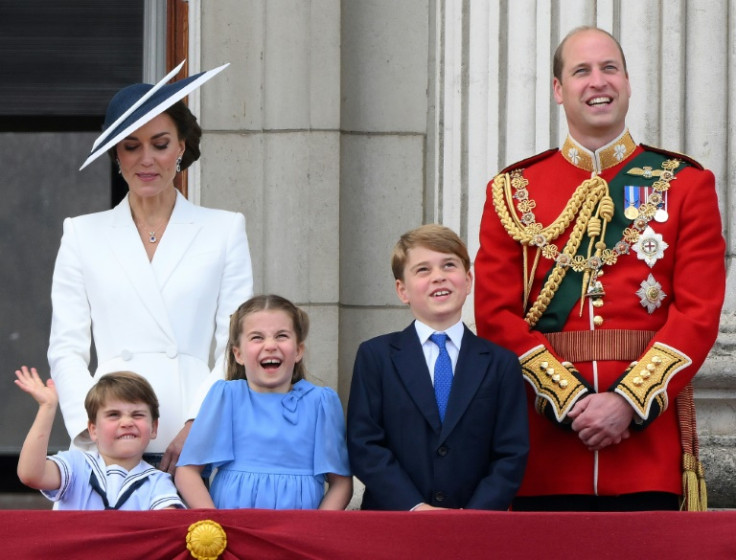
In the end, the crisis, if crisis is the right word for it, never materialised in public. Kate Middleton arrived with her father, Michael Middleton, without incident and stepped out of the car at Westminster Abbey to marry Prince William, looking delighted.
That is perhaps why the story lingers. It is not a grand scandal. It is a glimpse of how royal image-making actually works, through choices that seem almost absurdly specific until one remembers how much meaning is loaded onto every detail.
Even a wedding car can become an argument about tradition, status and nerves, all before the bride has reached the church.
© Copyright IBTimes 2025. All rights reserved.
- Recommended For You