

New World Screwworm Had Been Moving North From Panama, Critics Point To Illegal Cattle Smuggling and Migration Routes
The resurgence of the New World screwworm raises alarms among livestock producers and health officials
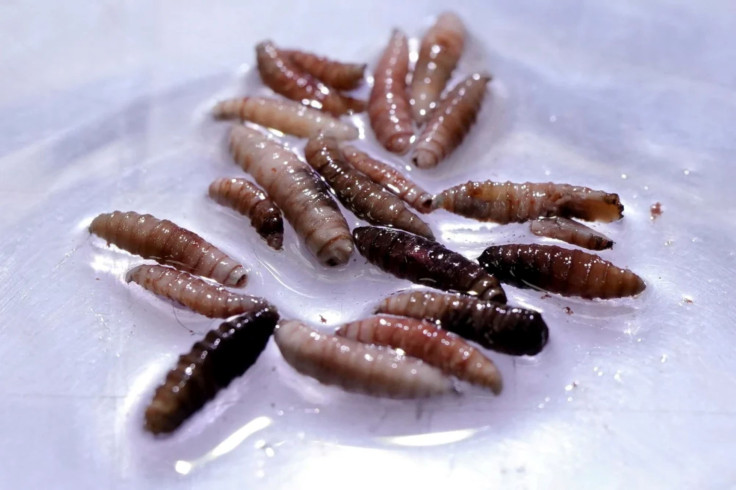
A parasite once thought to be largely under control is back at the centre of a growing controversy. The New World screwworm, a flesh-eating fly whose larvae burrow into living tissue, has sparked alarm among livestock producers and health officials after detections raised fresh concerns about its northward movement through the Americas.
How The New World Screwworm Spread North
The New World screwworm is one of the most destructive livestock parasites in the Western Hemisphere. Unlike ordinary maggots that feed on dead tissue, screwworm larvae attack living animals by burrowing into open wounds and consuming flesh.
Experts explain that female flies lay hundreds of eggs near wounds on livestock, wildlife and occasionally humans. Once hatched, the larvae dig deeper into tissue, creating painful and expanding injuries that can become life threatening if left untreated.
The parasite has historically been a major threat to cattle industries throughout the Americas. For decades, governments worked to suppress its spread through extensive eradication programmes.
Recent reports have highlighted concerns about the pest's continued movement north from Panama and Central America, raising fears that livestock producers could once again face significant economic damage if outbreaks become widespread.
Migration And Cattle Smuggling
As news of the parasite's spread circulated online, some commentators pointed to migration corridors and illicit cattle movements as contributing factors.
One widely shared post claimed: 'Mind you, the fly began moving north from the biological barrier in Panama in 2022 and 2023 due to the 1+ million migrants traveling north and illicit cattle smuggling by the cartels. But that isn't convenient to mention!'
Mind you, the fly began moving north from the biological barrier in Panama in 2022 and 2023 due to the 1+ million migrants traveling north and illicit cattle smuggling by the cartels. But that isn’t convenient to mention! https://t.co/dibwzbVrlr
— Ben Goldey (@BenGoldey) June 4, 2026
The claim reflects a growing debate over how animals, people and goods moving across borders may affect disease and pest control efforts. However, officials have not publicly attributed the screwworm's spread to any single cause.
Agricultural experts generally note that livestock movement, wildlife migration, environmental conditions and gaps in surveillance can all influence how pests expand into new regions.
Political Row Erupts Over Funding Cuts
Critics have accused recent cost-cutting efforts of weakening programmes designed to track and suppress potential outbreaks.
One social media user wrote: 'The Trump administration has been telling you they had screwworm under control for months. Now, it's here. What happened? Trump and DOGE slashed funding for screwworm monitoring programs. And the entire GOP let them. Thank them for today's new hell they unleashed on you.'
Another post argued: 'From 1966 to 2025 we dropped sterile flies over South America that ate screwworm and thus prevented them from spreading, but the le epic efficient cracked coders at DOGE thought this was a silly waste of the ~0 dollars it cost us.'
Others criticised broader government reductions, claiming: 'It's going to take a while to see the results of most of the damage that DOGE and related brainless cuts have caused. But the results are going to be a lot more things like this.'
Those accusations remain part of an ongoing political debate, with officials continuing to emphasise active response measures rather than assigning blame.
Officials Move Quickly To Contain The Threat
Government officials insist efforts are already underway to prevent the parasite from becoming a larger problem.
It's going to take a while to see the results of *most* of the damage that DOGE (and related brainless cuts) have caused. But the results are going to be a lot more things like this; easily preventable stuff that we just decided to kill because a ketamine-fueled racist got a… https://t.co/9iM4KwRaPI
— Centrism Fan Acct 🔹 (@Wilson__Valdez) June 4, 2026
One statement declared: 'The confirmed detection of New World screwworm in Texas is serious. My team and I are closely tracking the situation. USDA and State of Texas are taking immediate action to ensure our food supply remains safe, support our livestock producers, and eradicate the pest. Texas has beaten this threat before and remains the backbone of America's cattle industry.'
The confirmed detection of New World screwworm in Texas is serious. My team and I are closely tracking the situation.
— Senator Ted Cruz (@SenTedCruz) June 4, 2026
USDA and State of Texas are taking immediate action to ensure our food supply remains safe, support our livestock producers, and eradicate the pest.
Texas has… https://t.co/K5h1sa3CjY
The good news for authorities is that proven tools already exist. One of the most successful eradication methods involves releasing sterile male flies into affected regions. When wild females mate with sterile males, their eggs fail to hatch, gradually collapsing local screwworm populations.
That strategy helped push the parasite out of large parts of North America decades ago and remains a key part of modern containment plans.
© Copyright IBTimes 2025. All rights reserved.
- Recommended For You


