

NewJeans Reportedly Signed Contracts at 14-17 That Omitted Sleep Protections, Gave Label Rights to Their AI-Generated Voices
ADOR says separate 2022 agreements, negotiated with members' legal representatives, covered key safeguards
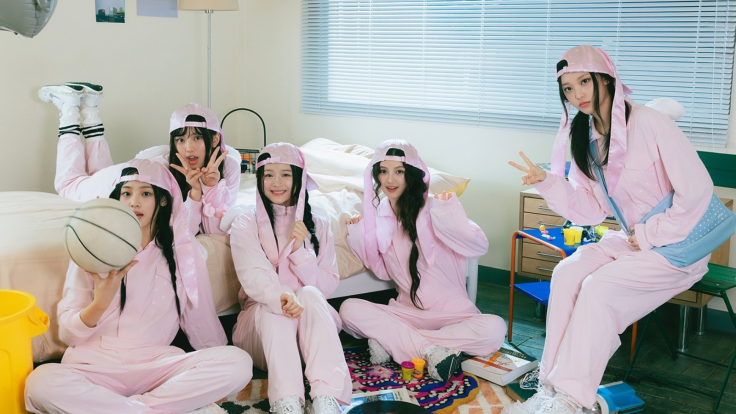
NewJeans' contracts with ADOR reportedly omitted specific wording on sleep, rest, and education in the exclusive agreements signed when the members were teenagers. The documents also gave the label extensive rights over their names, images, and voices, including potential use in AI-generated chatbots and replicas.
The terms have raised questions about how K-pop agencies define control over young performers' identities, particularly when rights may continue after an artist leaves. ADOR disputes the suggestion that the members lacked safeguards, saying separate youth agreements covered key protections and AI use requires individual consent.
Separate Agreements at the Centre of the Child-Protection Dispute
The five members, Minji, Hanni, Haerin, Hyein, and Danielle, were aged between 14 and 17 when they signed exclusive contracts with ADOR in April 2022. The agency says a draft was shared on 7 January and negotiations continued for three months, with questions, email exchanges, and legal reviews involving representatives for some of the members.
The contract review found that the exclusive agreements omitted provisions in South Korea's government-recommended template covering minors' physical and mental health, education, sleep, and rest. It also identified missing wording restricting excessive working hours and overly suggestive performances by underage artists.
ADOR said on 6 November that HYBE labels signed a national standard supplementary agreement for young trainees. It said this separate document protects personal rights, sleep, education, and rest until a trainee reaches adulthood. The company added that NewJeans' exclusive contracts contain basic human-rights protections covering the same matters.
The disagreement is over where those protections were recorded: the reported omissions concern the exclusive contracts, while ADOR says separate agreements supplied the safeguards. The available information does not independently establish how those supplementary terms operated in practice.
Voice and Likeness Clauses Raise Questions Beyond the Contract
The exclusive contracts reportedly gave ADOR continuing rights to use the members' names, photographs, likenesses, handwriting, and voices, including after the agreements ended. The New York Times reported that these provisions could extend to AI-generated voice clones and chatbots, although legal experts questioned whether such rights would be enforceable.
ADOR said AI-generated content can only be used with an individual artist's consent and that it has no intention of using artists' intellectual property without authorisation. The reported clause is not evidence that the agency has created, or plans to create, AI versions of the members.
The contracts also reportedly listed an 'insincere attitude', 'neglect of self-management', and 'inappropriate romantic relationships' as potential grounds for breach. Such broad terms raise questions about how clearly young performers can understand their obligations.
Contract Dispute Has Already Changed the Group's Future
The terms have emerged amid NewJeans' prolonged dispute with ADOR. The members announced in November 2024 that they intended to terminate their exclusive contracts, alleging the agency had failed in its obligations. ADOR rejected the move, and a court injunction in March 2025 prevented the group from pursuing independent activities.
ADOR said Hanni, Haerin, and Hyein later confirmed their return, while discussions with Minji continued. The agency also notified Danielle that it was terminating her contract.
The disagreement is not simply about whether particular phrases appeared in one document. It concerns how protections are distributed across agreements, who explains them to teenage performers, and whether a singer can retain meaningful control over a voice that AI can reproduce. ADOR's response addresses the contractual and consent questions, but the practical scope of those protections remains contested.
© Copyright IBTimes 2026. All rights reserved.