Oil Tanker Crippled by Mystery Projectile off Oman in Strait of Hormuz Amid Iran Sanctions War
Incident raises concerns over safety and stability in vital shipping channel amid US-Iran tensions
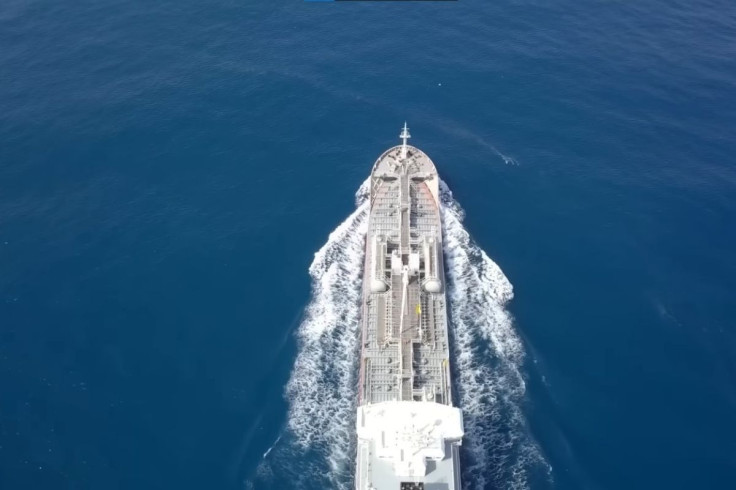
An oil tanker was left disabled in the Strait of Hormuz after an 'unknown projectile' struck its engine room off the coast of Oman, damaging the vessel and raising fresh fears over the safety of one of the world's most important energy routes. The crew were reported safe by the UK Maritime Trade Operations agency, but the ship lost propulsion after the strike.
The incident occurred about nine nautical miles northeast of Ash Shishah, Oman, on 24 August, as commercial shipping continued to navigate the waterway amid escalating tensions between Washington and Tehran.
No group immediately claimed responsibility, and authorities did not identify the projectile or publicly name the tanker. The environmental impact was also not immediately known.
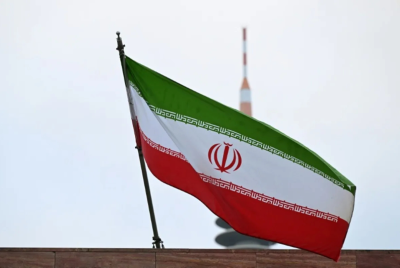
The strike came as Iran vowed retaliation against an expanded US sanctions campaign. Analysts warn the timing could spill the sanctions dispute back into the Strait of Hormuz, where a single attack can disrupt shipping, raise insurance costs and threaten oil and gas supplies.
What We Know About the Tanker Attack off Oman
The UKMTO said the projectile hit the tanker's engine room, leaving the vessel unable to manoeuvre under its own power. No casualties were reported, the UKMTO said, but the damage was serious enough to disable the ship in waters that have become increasingly dangerous for commercial vessels.
The attack is particularly significant because the tanker was reportedly using a US-backed route near Oman designed to help ships avoid more heavily contested waters, according to maritime security sources. The vessel was attempting to pass through a protected southern corridor when it was struck.
The identity of the attacker remains unclear. According to initial reports from the UKMTO, maritime officials described only an 'unknown projectile', meaning there is no official confirmation that Iran was directly responsible.
Why Iran's Sanctions Fight Makes the Strait More Dangerous
The tanker strike came hours after Iran condemned a widening US economic offensive and vowed to respond to the pressure campaign. Washington's latest measures target dozens of individuals, companies and vessels connected to Iran, while seeking to further restrict Tehran's access to international trade and finance.
Iran has described the sanctions as unlawful and warned of retaliation if its interests or infrastructure are threatened. China's foreign ministry also criticised the expanding economic pressure, with spokesperson Lin Jian saying the cooperation 'should not be disrupted or undermined.'
The sanctions campaign has therefore added a new layer of uncertainty to a maritime crisis that was already affecting global shipping. The US is trying to increase pressure on Tehran without triggering a wider military confrontation, while Iran retains the ability to create major disruption around the narrow passage separating its coast from Oman.
One Attack Could Disrupt 20% of Global Oil Trade
The Strait of Hormuz is a critical chokepoint for global energy supplies. Before the conflict severely disrupted traffic, the waterway carried roughly a fifth of the world's oil trade, making any sustained threat to shipping a potential problem for energy markets far beyond the Middle East.
Shipping data has shown signs of a partial recovery in traffic in recent weeks, with vessels increasingly using routes closer to Oman.
President Donald Trump said on Monday that US forces had removed mines from the main shipping lane, though diplomatic efforts to establish a lasting traffic management system remain unresolved.
For now, the latest tanker attack is a reminder that clearing a shipping lane does not eliminate the wider threat.
Brent crude prices fell on Tuesday, August 26, as traders judged the latest US sanctions to pose less immediate danger to supplies than a new military escalation, but another series of attacks could quickly change that calculation.
With the tanker disabled, the attacker unidentified and Iran promising retaliation against Washington's economic offensive, the Strait of Hormuz remains caught between diplomacy and escalation.
© Copyright IBTimes 2026. All rights reserved.
- Recommended For You