

Orionid Meteor Shower Peaks Wednesday Night, but Clouds and Rain Could Disrupt US Viewing Plans
The shower is expected to produce 10 to 20 meteors an hour under dark skies, with the best viewing from midnight until dawn
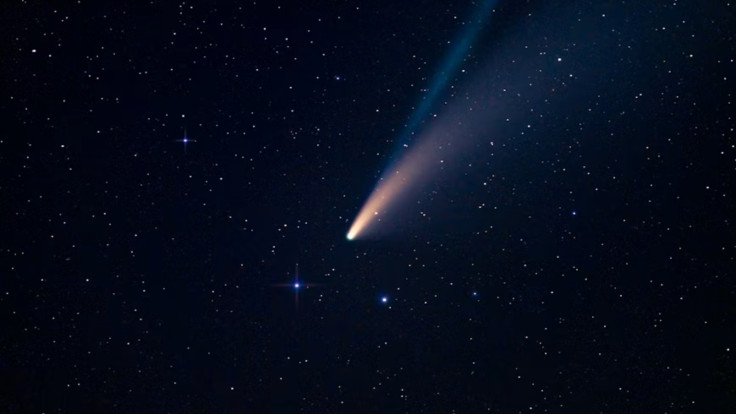
The Orionid meteor shower peaks overnight from Wednesday, 21 October, into Thursday, 22 October, but clouds and rain could disrupt viewing across parts of the United States. Much of the central and eastern US could enjoy clearer skies, while parts of the West and Northeast face less favourable conditions.
The annual Orionid meteor shower is known for its fast-moving meteors and occasional glowing trails. The shower originates from debris left behind by Halley's Comet, which Earth passes through each year. Under ideal dark-sky conditions, observers could see about 10 to 20 meteors per hour, according to NASA.
When and Where To Look for the Orionids
The Orionids are active from 2 October to 7 November, with peak activity expected on the night of 21–22 October. The best viewing window generally extends from midnight until dawn, although local conditions and moonlight can affect visibility.
According to Weather.com, much of the central and eastern US is forecast to have clear skies during the early hours of Thursday. However, cloud cover could interfere with viewing in several other regions.
Weather.com meteorologist Caitlin Kaiser wrote that viewing conditions remain 'in Mother Nature's hands.' Her forecast, published on 21 October, identifies several areas where clouds could obstruct the display.
The Orionids are produced when debris from Halley's Comet enters Earth's atmosphere at approximately 41 miles per second, or 66 kilometres per second. These fast-moving particles create the streaks of light commonly called shooting stars.
Some meteors leave glowing trails that remain visible for several seconds or, occasionally, minutes. These lingering trails, known as trains, are among the shower's distinctive features.
However, a peak date does not guarantee spectacular viewing everywhere. NASA advises skywatchers to consider the Moon's brightness and local conditions when planning their observations.
Storms, Clouds and Flooding Threaten Western Skies
The Four Corners region, where Arizona, Colorado, New Mexico and Utah meet, faces a less favourable outlook. Weather.com warns that thicker cloud cover could interfere with observations in this area, which contains numerous dark-sky locations.
Parts of California, Oregon and Washington could also experience cloud cover during the peak. Some locations along the West Coast may still have clearer skies, making local forecasts important for anyone planning to watch.
Rain and storms present an additional concern in the West. The Weather Company forecast warns that tropical moisture moving into the region could bring unsettled conditions on Wednesday and Thursday.
Flooding is also a concern in parts of the affected region. Viewing could prove difficult in areas of California, Nevada and the Four Corners, although conditions will vary by location.
Skywatchers should therefore prioritise safety over finding a viewing spot. Anyone considering travelling to a remote location should check weather alerts and road conditions before setting out.
Nor'Easter Poses a Challenge for the East Coast
The East Coast faces a different challenge. Weather.com reports that a nor'easter developing offshore could linger through the middle and latter part of the week.
Although much of the mid-Atlantic and Northeast initially appears favourable, cloud cover associated with the storm could affect areas from New York City to New England. Conditions may differ between nearby locations, so checking updated forecasts is advisable.
The Moon is another factor that could limit observations. NASA says moonlight may obscure some of the fainter meteors during this year's shower, making the hours before dawn particularly important.
Simple Tips To Boost Your Viewing Chances
For those with clear skies, choosing a dark location away from streetlights and other artificial lighting can improve visibility. A blanket, sleeping bag or reclining chair can also make a long observing session more comfortable.
Allow about 30 minutes for your eyes to adjust to the darkness. Avoid looking at bright phone screens during this period, as their light can interfere with dark adaptation.
Although the meteors appear to radiate from the constellation Orion, they can streak across different parts of the sky. Observers should therefore use a wide, unobstructed view rather than focus exclusively on the constellation.
Patience is essential because meteors appear intermittently throughout the observing period. Even under favourable conditions, the number visible will vary with sky darkness, moonlight and the observer's location.
The Orionids can be seen from both hemispheres, although the precise viewing conditions differ by location. The shower's annual return offers another opportunity to observe debris from one of the best-known comets in the Solar System.
For US skywatchers, the main question on Wednesday night is whether local skies will remain clear enough to reveal the display. Checking updated forecasts, allowing time for darkness and choosing a safe viewing location will give observers the best chance of seeing the Orionids.
© Copyright IBTimes 2026. All rights reserved.