

Trump Administration Plans to Hire Private Debt Collectors to Pursue Student Loan Borrowers After the Midterms
A potential return to student-debt collections could strain household budgets as repayment pressures mount
The Trump administration is reportedly preparing to restart involuntary collections on defaulted federal student loans, potentially exposing eligible borrowers to wage garnishment and federal payment offsets, including the withholding of tax refunds and certain benefits.
According to The Washington Sun on 19 October 2026, the Treasury Department is moving to hire private debt collectors, possibly as soon as November. Citing sources familiar with the discussions, the report said officials were weighing the timing of the plans ahead of the November 2026 midterm elections, with collections potentially resuming in 2027.
On 16 January 2026, the US Department of Education announced a temporary delay in involuntary collections, including Administrative Wage Garnishment and the Treasury Offset Program, to allow time to implement repayment reforms under the Working Families Tax Cuts Act.
Student Loan Defaults Reach Record Levels
The Center for American Progress (CAP) reported on Monday that 9.5 million federal student loan borrowers, or more than one in five, are in default as changes under the One Big Beautiful Bill Act reshape repayment options.
The law phases out the Saving on a Valuable Education (SAVE) plan, requiring enrolled borrowers to transition to another repayment option. CAP estimates that borrowers switching from SAVE to the new Repayment Assistance Plan will pay an average of $2,163 more annually, although individual increases will vary.
According to The Sun, administration staffers have urged officials to weigh the potential political fallout among Trump voters before resuming involuntary collections on defaulted loans. These measures can include wage garnishment and the withholding of eligible federal payments, including tax refunds. The administration has not announced a definitive restart date for these collections.
Student Loan Defaults Are High in Several States Trump Won
Student loan default rates are particularly high in several Republican-leaning states, according to an Associated Press analysis published on 20 July 2026. Mississippi had a default rate of 28.3%, the highest among states, while Louisiana and Alabama were also among those with the highest rates. Of the 15 states with the highest default rates, New Mexico was the only one Trump did not win in the 2024 presidential election, according to AP's analysis.
These figures provide context for the potential electoral implications of renewed collections. However, state voting patterns and default rates do not independently establish that political considerations are driving the administration's decisions.
Treasury Officials Weigh Collection Timing
Some administration officials reportedly favour delaying involuntary collections until the Defaulted Loans Support Center is operating effectively, according to The Washington Sun. The US Department of Education and the US Department of the Treasury launched the online portal on 30 September 2026 to help borrowers understand their options, address default, and return to repayment. Borrowers can use the portal to apply for loan rehabilitation or consolidation, make payments, and review repayment plans and loan-discharge options.
Meanwhile, other officials reportedly favour resuming involuntary collections in time for the 15 April 2027 federal income tax filing deadline. However, the date is a reported target, not a confirmed restart date, and the timeline could change.
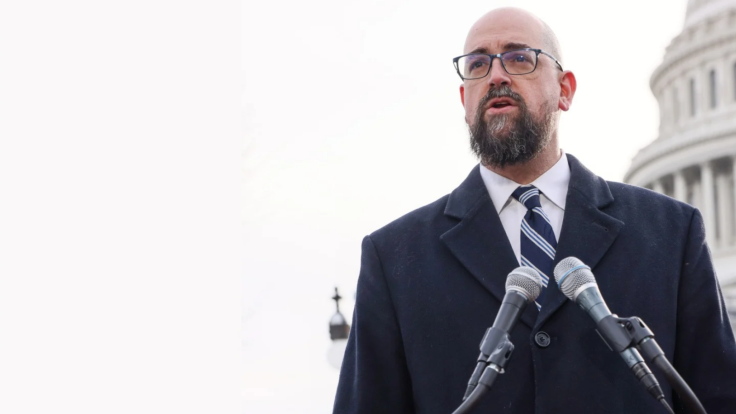
Michael Pierce, executive director of Protect Borrowers, a US nonprofit that advocates for stronger borrower protections and challenges alleged financial abuses, said that the planned resumption of involuntary collections on defaulted federal student loans could deepen financial strain on American households. He criticised the reported timing of the plan, saying, 'Restarting debt collection the moment any political accountability has passed just shows how little interest Trump has in helping working families stay afloat.'
Pierce warned that 'what comes next will be a catastrophe for families across the country,' potentially leaving borrowers facing seized tax refunds, garnished wages, and 'even less money to put food on the table or make rent.' He also noted on social media that the administration and any debt collectors it contracts with must ensure that defaulted student loan debts are valid for collection.
© Copyright IBTimes 2026. All rights reserved.