White House Ballroom Architect Quit After Warning Trump Over Fire Safety; Trump Said 'I Am the Code': Report
The White House disputes that building-code disagreements led to James McCrery II's departure and says safety issues have been addressed as the design evolved
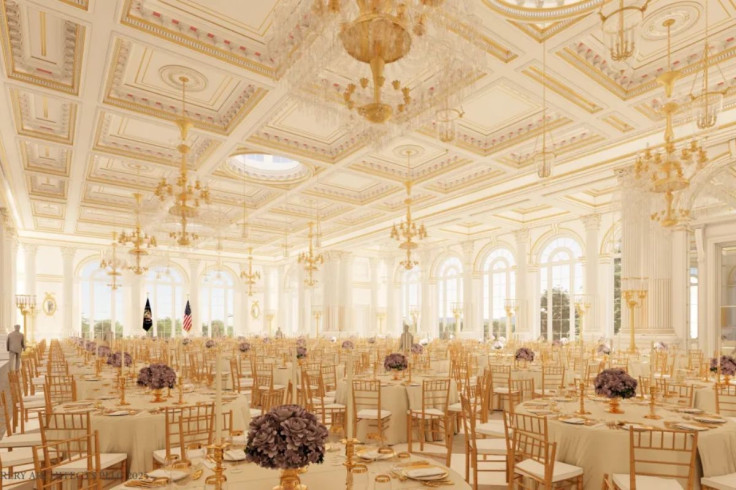
The original architect of Donald Trump's White House ballroom reportedly clashed repeatedly with the president over emergency exits and fire protections before withdrawing from the project, with Trump reportedly dismissing the concerns by saying, 'I am the code.'
James McCrery II withdrew from the project in October 2025 after raising safety concerns about preliminary ballroom designs, according to The Washington Post, which cited two people familiar with the discussions and documents it reviewed.
The White House strongly disputes that disagreements over building codes caused McCrery's departure, while the architect himself has not publicly given a specific reason for leaving.
Architect Warned of Emergency Exit Problems
According to The Post, McCrery told the White House that Trump's preferred preliminary design did not meet fire-safety standards he believed should govern the project.
His concerns reportedly included inadequate alternative escape routes and insufficient measures to prevent a kitchen fire from spreading rapidly into the ballroom above.
Trump reportedly rejected the concerns by arguing that building codes did not apply to White House construction. 'I am the code,' he said, according to the two people cited by The Post.
Documents reviewed by the newspaper showed that a White House project meeting on 30 September 2025 discussed 'areas of concern' and contractor comments about the design.
Records from subsequent meetings continued to flag life-safety issues. McCrery resigned during the week of 20 October.
White House Says Safety Was Never Sacrificed
The White House rejected the suggestion that McCrery left because of disagreements over building codes.
A spokesman told The Post it would be 'factually false and totally inaccurate' to connect his departure to code issues, adding that fire and safety standards had remained a priority throughout the project.
'Life safety issues have been addressed and resolved continuously as the design has evolved,' the White House said. McCrery also said Trump had entrusted him with the ballroom's earliest design stages and that he stepped aside after completing that work. He did not directly address the reported safety dispute. Shalom Baranes Associates subsequently replaced McCrery's firm.
Ballroom Project Has Unusual Safety Oversight
The legal picture surrounding building codes at the White House is more complicated than Trump's reported remark suggests. Washington, DC, generally cannot enforce its local building codes on federally owned property.
Federal law separately requires buildings constructed or altered by the General Services Administration or another federal agency to comply, to the maximum extent feasible, with nationally recognised building codes and applicable electrical, fire, life-safety and plumbing standards.
However, The Post reported that the ballroom project is being routed through the White House Executive Residence rather than the federal agencies that ordinarily oversee major White House construction.
The Executive Residence is not itself a federal agency, creating an unusual regulatory arrangement. Contractors working on the ballroom still must meet applicable safety requirements, according to experts cited by The Post.
Trump Was Deeply Involved in Ballroom Design
Documents reviewed by The Post also showed Trump taking an unusually hands-on role in the project, including marking up preliminary drawings with a black Sharpie.
His annotations reportedly expanded the ballroom footprint, removed proposed service corridors and stairs and included instructions on details ranging from columns to door placement.
As Trump pushed for a larger ballroom that could seat more than 1,300 guests, the changes created further design challenges, according to the report.
Early plans also raised concerns about whether the building would contain enough toilets for its proposed maximum occupancy. Discussions about life-safety deficiencies continued for months after McCrery left, according to White House records reviewed by The Post.
Those records do not make it clear whether every safety issue identified in the early designs has since been resolved, although the White House says the current architects and consultants are designing the project to nationally recognised fire and safety standards.
© Copyright IBTimes 2026. All rights reserved.
- Recommended For You