Trump Floats 'Blow the Entire Nation Up' Remark in Fox Call as Iran War Approaches Seven Months
President Trump tells Fox News he is weighing whether to 'blow the entire nation up' in Iran as the nearly seven-month war shows no sign of ending
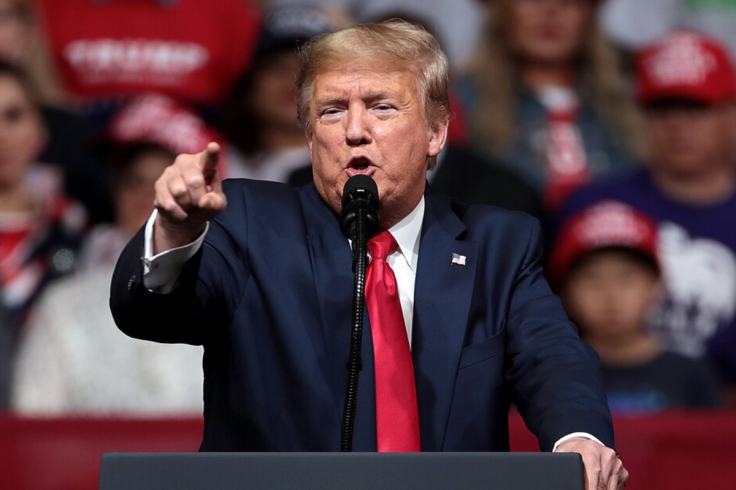
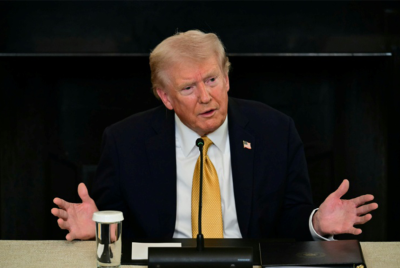
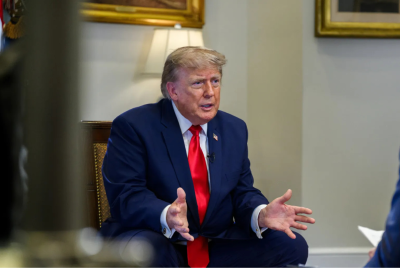
President Donald Trump is in 'deciding mode' over Iran, according to chief foreign correspondent Trey Yingst, who said the president warned that 'very big things' could happen in the 'not-so-distant future' and questioned when he might 'blow the entire nation up.'
The comments came as the nearly seven-month-old US-Israeli war with Iran continued, with Trump weighing military escalation, economic pressure or a diplomatic deal.
The news came after months of stalled diplomacy and mounting pressure at home. To recall, the war began with joint US-Israeli strikes on 28 February, which were initially billed as a short campaign.
Trump said on 3 March that the operation had been projected to last four to five weeks, while Secretary of State Marco Rubio later told reporters it would take 'weeks, not months.' Yet here we are, approaching the seven-month mark, with oil prices elevated compared with pre-conflict levels and approval ratings under strain.
Options on the Table as Trump Weighs Iran Escalation
Yingst, reporting from Tel Aviv on Fox & Friends Weekend, said Trump described three choices, 'wiping Iran out, letting them rot economically or making a deal.' The president's exact words, as relayed by Yingst, were stark, 'My question is, if and when do I blow the entire nation up? They better behave.'
Trump did not specify a timeline for any escalation, beyond the vague 'not-so-distant future.' He also expressed doubt about the odds of securing a deal, claiming that 'some of the officials are hiding like rats' to avoid diplomatic efforts.
It's worth noting this is not the first time Trump has floated such language. Back in April, he warned that 'a whole civilisation will die tonight, never to be brought back again.'
The president said he would 'probably be open' to meeting Iranian president Masoud Pezeshkian at the UN General Assembly in New York this week, though he described the weekend as 'no different from any other weekend.'
Pezeshkian is scheduled to address the assembly on Wednesday. Whether that meeting happens, and what it might achieve, remains to be seen.
Rising Stakes as Conflict Drags Into Seventh Month
The comments came amid continued regional hostilities, including a Houthi missile attack targeting Riyadh on 19 September. Saudi Arabia confirmed the attempted ballistic-missile attack, while the Houthis claimed additional attacks on Saudi infrastructure.
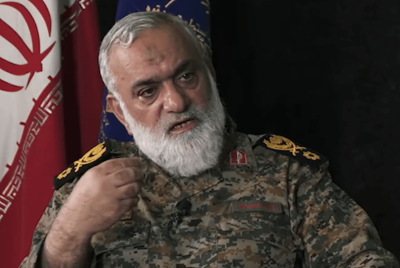
Iranian state media reported that Tehran had received information suggesting the US, with backing from some regional countries, was preparing to resume actions against Iran, though this remains an Iranian claim.
Meanwhile, the conflict continues to affect energy markets and US politics. Oil prices have remained elevated during the broader crisis, although Brent crude and West Texas Intermediate fell on 20 September amid renewed hopes for US-Iran diplomacy.
Polling has also recorded substantial public disapproval of Trump's handling of the Iran war.
An August University of Massachusetts Amherst poll found 67 per cent of respondents disapproved of his handling of the conflict, while a September poll put his overall job approval at 41 per cent. The war, originally marketed as a matter of weeks, has become a grinding stalemate.
© Copyright IBTimes 2026. All rights reserved.
- Recommended For You