

'Patently Unlawful': Donald Trump Gets Destroyed in Court Over Major 75-Country Immigrant Visa Ban
A Manhattan judge has struck down Trump's 75-country immigrant visa ban, calling the State Department policy 'patently unlawful'
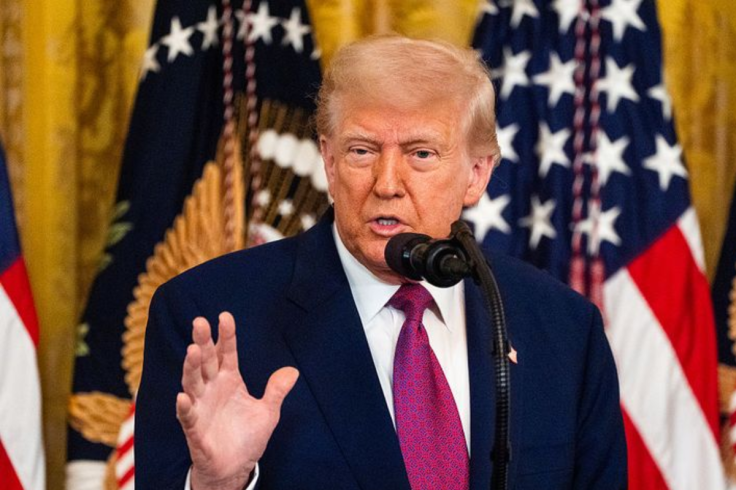
A US judge in Manhattan has struck down a Trump administration policy suspending immigrant visas for applicants from 75 countries, ruling on Friday, 21 August, that Secretary of State Marco Rubio exceeded his legal authority. US District Judge Jeannette Vargas called the policy 'patently unlawful'.
The ruling directly challenges a State Department policy that suspended immigrant visa issuances from countries across Latin America, the Balkans, South Asia, Africa, the Middle East and the Caribbean.
The decision could allow thousands of affected applicants to resume pursuing immigrant visas through the normal case-by-case process.
Why the Immigrant Visa Ban Was Challenged
The State Department announced the pause in January, with the suspension taking effect on 21 January 2026. It applied to nationals of 75 countries, including Brazil, Colombia, Uruguay, Bosnia and Herzegovina, Albania, Pakistan, Bangladesh, Nigeria, Haiti, Iran, Somalia and Yemen.
The policy did not cover tourist, business or other non-immigrant visas. Applicants could still submit forms and attend interviews, but the State Department said immigrant visas would not be approved or issued while the suspension remained in place.
𝐌𝐀𝐍𝐇𝐀𝐓𝐓𝐀𝐍 𝐉𝐔𝐃𝐆𝐄 𝐒𝐓𝐑𝐈𝐊𝐄𝐒 𝐃𝐎𝐖𝐍 𝐓𝐑𝐔𝐌𝐏'𝐒 𝟕𝟓-𝐂𝐎𝐔𝐍𝐓𝐑𝐘 𝐕𝐈𝐒𝐀 𝐒𝐔𝐒𝐏𝐄𝐍𝐒𝐈𝐎𝐍—𝐂𝐀𝐋𝐋𝐒 𝐈𝐓 “𝐏𝐀𝐓𝐄𝐍𝐓𝐋𝐘 𝐔𝐍𝐋𝐀𝐖𝐅𝐔𝐋”
— M.A. Rothman (@MichaelARothman) August 22, 2026
U.S. District Judge 𝐉𝐞𝐚𝐧𝐧𝐞𝐭𝐭𝐞 𝐕𝐚𝐫𝐠𝐚𝐬 in Manhattan struck down the State Department's January… pic.twitter.com/xnfJVNG4Cy
The department said the affected applicants posed 'a high risk for becoming a public charge and recourse to local, state and federal government resources in the United States.'
The administration framed the measure as part of a wider effort to ensure immigrants could support themselves financially. Vargas found that justification did not give Rubio the authority to impose the blanket suspension.
In her ruling, the judge said federal immigration law had explicitly stripped the secretary of state of authority over consular officers' decisions on individual immigrant visa applications. She found that the nationality-based freeze conflicted with the statutory system established by Congress.
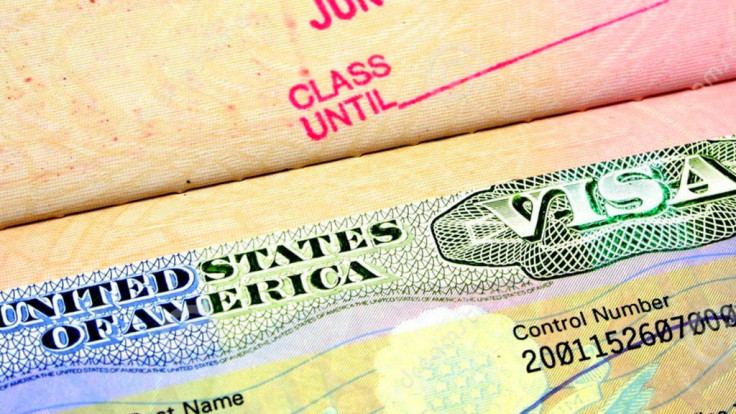
'The Policy, which categorically prohibits the issuance of immigrant visas based upon the nationality of the applicant, represents a direct abrogation of this statutory scheme,' Vargas wrote.
Vargas ordered the policy vacated under the Administrative Procedure Act. The ruling also set aside visa denials made solely under the suspension and requires the State Department to return to individualised consideration of applications.
Trump Administration Faces Another Immigration Setback
The lawsuit was brought by Catholic Legal Immigration Network (CLINIC) and African Communities Together, alongside 11 individual plaintiffs, including immigrant visa applicants and US citizens seeking to sponsor relatives from affected countries.
The case was especially important for families separated across borders. Unlike a short-term travel restriction, an immigrant visa suspension affects people seeking permanent residence, including relatives hoping to join spouses, parents or children in the United States.
Vargas, who was appointed by former President Joe Biden, rejected the policy after examining whether the State Department had acted within its statutory powers.
Her ruling does not erase the administration's broader immigration agenda, but it limits the State Department's ability to impose nationality-based restrictions through this particular mechanism.
President Donald Trump has pursued an aggressive immigration crackdown during his second term, arguing that tougher restrictions are necessary to protect national security and reduce pressure on public services.
The administration has also introduced other measures, including a broader travel ban covering 39 countries that took effect on 1 January and a pause on diversity visa issuance in late December.
Rights groups have argued that the wider programme undermines due process and encourages racial profiling. Critics of the 75-country suspension specifically argued that it replaced the individual assessment required under immigration law with a nationality-based prohibition.
That distinction formed a central part of Vargas's ruling. The government retains substantial authority over immigration and entry into the United States, but Vargas found that the secretary of state lacked the statutory power to impose this blanket suspension on immigrant visa issuance.
The decision represents a significant legal setback for one element of Trump's immigration programme, although it does not invalidate the administration's separate immigration and travel restrictions.
The State Department had not commented on the ruling at the time of publication. It was therefore unclear whether the administration would appeal, seek a stay or issue revised guidance to consular posts.
For applicants and families caught in the pause, the next steps may depend on how quickly the department responds and whether an appeal affects implementation of Vargas's decision.
The court has vacated the policy, but processing delays and any further legal action could determine how quickly individual applicants see practical results.
© Copyright IBTimes 2026. All rights reserved.