'Cloud of Uncertainty': How Trump's Sudden USMCA Renegotiation Threatens the Future of North American Automaking
The USMCA review could reshape North America's automotive sector, impacting manufacturing and investment decisions.
North America's automotive industry is entering another period of uncertainty as the mandatory review of the United States-Mexico-Canada Agreement (USMCA) begins on 1 July, reopening negotiations over the trade pact that governs one of the world's most integrated manufacturing regions.
The USMCA is set to automatically expire on July 1, 2036, unless all three member countries agree to formally renew it for an additional 16 years.
— The Washington Times (@WashTimes) June 30, 2026
If any country declines the extension, the agreement enters a cycle of annual reviews over the next decade. If all three countries…
The review, required under the agreement negotiated during Donald Trump's first presidency, gives the United States, Canada and Mexico an opportunity to decide whether to extend the pact for another 16 years or allow it to move towards expiry in 2036. While the process is built into the treaty itself, businesses fear it could reopen politically sensitive debates over manufacturing, investment and cross-border trade.
With Washington signalling that it wants stricter automotive rules, manufacturers are once again preparing for the possibility that the framework underpinning North American vehicle production could change.
Mandatory Review Gets Underway
Trade representatives from the three countries are scheduled to begin the formal review with a virtual meeting on 1 July, launching what could become months of negotiations over the future of the agreement.
The USMCA requires a joint review six years after it entered into force. If all three governments agree, the agreement can be extended for another 16 years. If they cannot reach consensus, the review process continues, creating the prospect of prolonged negotiations before the treaty's 2036 sunset date.
Although the review is procedural, businesses have long regarded it as a potential source of uncertainty because any significant revisions could reshape long-term planning across North America's manufacturing sector.
Automotive Rules Take Centre Stage
The automotive industry is expected to be at the centre of this year's discussions. The United States is seeking tighter rules of origin, which determine how much of a vehicle and its components must be produced within North America to qualify for preferential tariff treatment under the agreement.
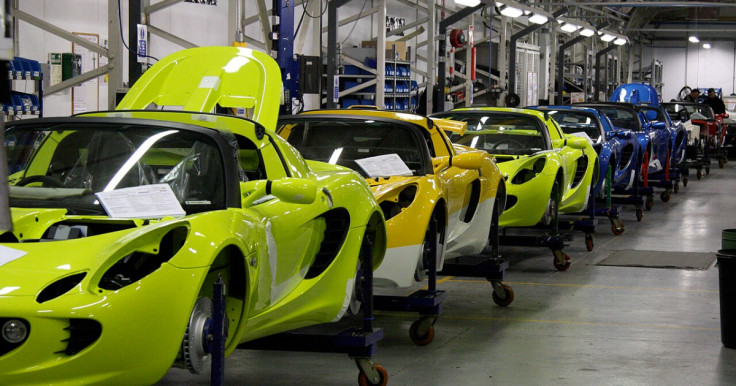
For manufacturers, those rules are far more than a technical detail. Modern vehicles are assembled through highly integrated supply chains that move engines, electronics, batteries and thousands of individual parts across the US, Canadian and Mexican borders multiple times before final assembly.
Any tightening of regional content requirements could force companies to reconsider where they source components, where they build vehicles and how they structure future investments throughout the region. Industry groups have consistently argued that stable trade rules are essential as manufacturers commit billions of dollars to new factories, electric vehicle production and next-generation technologies.
Investment Decisions Hang in the Balance
Even if no immediate changes emerge from the review, uncertainty alone can affect business decisions. Automotive investments are often planned years in advance, with companies making long-term commitments on factories, suppliers and logistics networks. Questions over future trade rules can delay expansion plans or alter production strategies before any formal policy changes take effect.
That concern is particularly acute because North America's automotive sector operates as a single manufacturing ecosystem rather than three separate national industries. Parts routinely cross international borders several times before a finished vehicle reaches a dealership, making predictable trade rules critical to keeping costs under control. Businesses therefore have as much interest in regulatory certainty as they do in the substance of any eventual agreement.
Trump Revisits a Signature Trade Deal
The review also returns Trump to one of the defining economic issues of his first presidency. After repeatedly criticising the North American Free Trade Agreement (NAFTA), Trump renegotiated the pact and introduced the USMCA, describing it as a better deal for American workers and manufacturers.
Now, the agreement reached under his own administration is once again under review, with the White House signalling that stronger regional manufacturing requirements remain a priority. For supporters, tougher rules could encourage additional production within North America. Critics, however, argue that stricter requirements could increase costs for manufacturers and consumers while making regional supply chains less flexible.
Months of Negotiations Ahead
The formal review is unlikely to produce immediate changes, but it marks the beginning of a process that manufacturers, suppliers and investors will monitor closely over the coming months. Whether the three governments ultimately choose to extend the agreement with limited revisions or pursue more substantial changes, the outcome will shape investment decisions across one of the world's largest automotive markets.
For an industry built on long-term planning, complex cross-border supply chains and regulatory certainty, the USMCA review represents far more than a routine treaty obligation. It is an early test of whether North America's trading partners can preserve the stability that manufacturers want while accommodating renewed political pressure to rewrite the rules once again.
© Copyright IBTimes 2026. All rights reserved.
- Recommended For You