Wall Street Targets Venezuela Oil And Infrastructure For Massive March Investment
Banks weigh billions in Venezuela energy amid sanctions and uncertainty
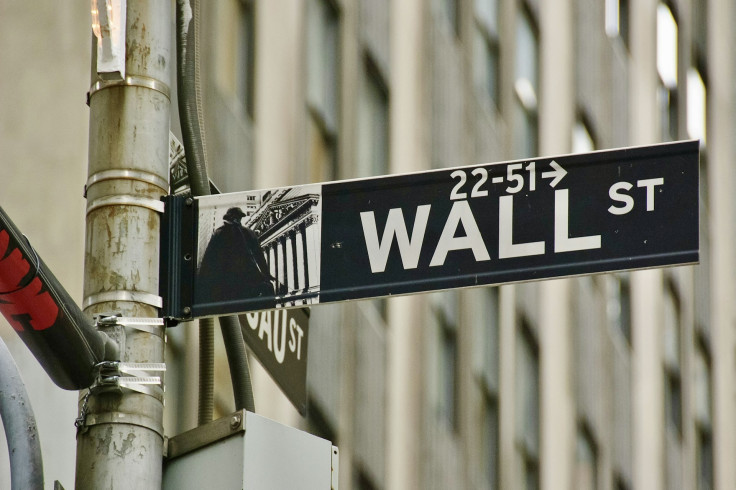
Venezuela's vast oil reserves and deteriorating infrastructure have suddenly become the centre of intense scrutiny by Wall Street, as global financiers evaluate what could be one of the most consequential investment opportunities of the decade following dramatic political and geopolitical shifts.
Wall Street firms are reportedly preparing to explore investment prospects in Venezuela's oil and infrastructure sectors after a dramatic turn in the country's political landscape sparked renewed interest in unlocking its natural resources. According to live coverage by The Wall Street Journal, finance industry representatives are already considering trips to Caracas to assess potential opportunities despite persistent legal and sanction-related obstacles.
Wall Street's Renewed Focus on Venezuela's Oil Sector
Financial executives from hedge funds and investment banks are said to be planning visits to Venezuela to analyse investment possibilities in the oil and broader energy infrastructure. Industry sources suggest these exploratory missions signal Wall Street's belief that a 'new chapter' could be unfolding for Venezuela's hydrocarbons wealth following recent political developments.
The capitalist vultures on Wall Street are already planning to pillage Venezuela, like they did to Russia in the 1990s.
— Ben Norton (@BenjaminNorton) January 4, 2026
Hedge funds and asset managers plan to travel to Venezuela to meet with the US puppets put in power to sell off the country's assets for pennies on the dollar. pic.twitter.com/lz2c7Xfbv8
Venezuela holds one of the largest proven crude oil reserves in the world, historically underpinning its economy and global energy significance. Its state-owned oil company, Petróleos de Venezuela, S.A. (PDVSA), once controlled integrated energy assets, including the US-based refining subsidiary Citgo. PDVSA's historical footprint underscores the scale of what could be unlocked if investment flows materialise.
Private equity and debt investors are reportedly considering Venezuela's dilapidated refining and transportation infrastructure as part of a broader investment thesis. Years of underinvestment and economic crisis have left refineries and export terminals in urgent need of capital and modernisation. Early interest on Wall Street, however, remains conditional and highly sensitive to geopolitical and legal risks.
Sanctions, Legal Risks and Regulatory Barriers
The backdrop against which Wall Street is contemplating Venezuelan investment is fraught with complex sanctions regimes. The United States Treasury, through its Office of Foreign Assets Control (OFAC), has repeatedly sanctioned entities and individuals connected to Venezuela's oil sector as part of pressure tactics against the Maduro government.
On Dec. 31, 2025, OFAC targeted four oil trading companies and blockaded associated tankers accused of sanction evasion, declaring the assets blocked and subject to reporting requirements for US persons. Earlier in December 2025, OFAC also sanctioned members of Maduro's extended network and shipping companies engaged in deceptive transport practices tied to Venezuelan oil exports. The Treasury emphasised the enforcement of these sanctions under Executive Order 13850, underscoring both the legal peril and the strategic intent behind ongoing US policy.
Sanctions on individuals and firms complicate conventional investment playbooks, exposing investors to potential civil and criminal penalties under US law. Market participants considering opportunities in Venezuela must weigh corrective action by OFAC against any prospective financial gains, particularly where secondary sanctions remain in force on non-US actors. Legal counsel for investment funds is already reporting heightened demand for compliance due-diligence services focused on Venezuelan exposure.
Geopolitics and Political Developments
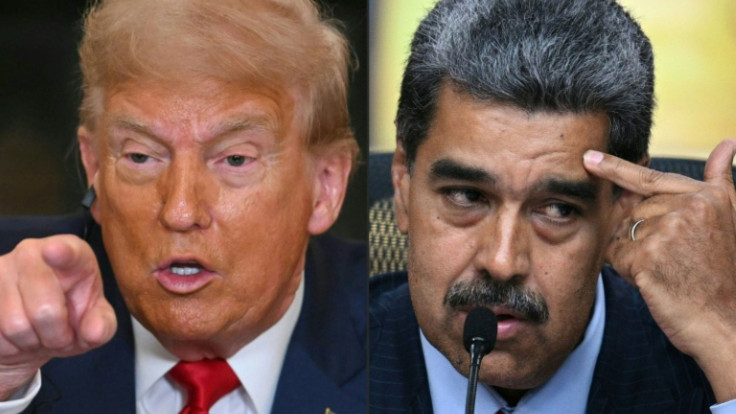
Venezuela's political environment has been volatile and remains a central variable for investors. President Nicolás Maduro's willingness to engage in 'serious' talks with the United States and invite American investment into the oil sector was reported in early January 2026, which reflects an apparent shift in tone that could alter external perceptions. Maduro's statements emphasised dialogue and cooperation, though he continued to frame US pressure as an attempt to seize Venezuelan natural resources.
The Wall Street is already planning investors trips to Venezuela that would include top hedge funds and asset managers.
— Ragıp Soylu (@ragipsoylu) January 3, 2026
Vultures, lol pic.twitter.com/tQnzAAxr82
At the same time, the US government has oscillated between punitive measures and strategic licensing. In past years, the Office of Foreign Assets Control (OFAC) issued general licences allowing limited activities by US firms such as Chevron under narrowly defined conditions, demonstrating conditional flexibility in US policy toward Venezuela's oil sector.
However, other elements of US policy have tightened, including the imposition of secondary sanctions targeting countries that trade Venezuelan oil, amplifying economic pressure and creating ripple effects across global markets. For Wall Street, the attraction is clear: Venezuela's oil reserves and related infrastructure projects could deliver significant returns if political and legal barriers recede.
Yet the potential upside comes with extraordinary risk. Investors must navigate sanctions enforcement, potential liabilities under US and international law, and political uncertainty linked to shifting diplomatic relations. Compliance mechanisms will be paramount, and funds are likely to seek legal assurances before committing capital.
© Copyright IBTimes 2025. All rights reserved.
- MOST POPULAR IN World