

'You Only Have Yourselves To Blame!': Trump Rages as Tech Selloff Wipes $2.5 Trillion From Markets
Donald Trump blamed Democratic voters after a tech selloff wiped about $2.5 trillion from the Nasdaq-100 and sent AI chip shares tumbling worldwide
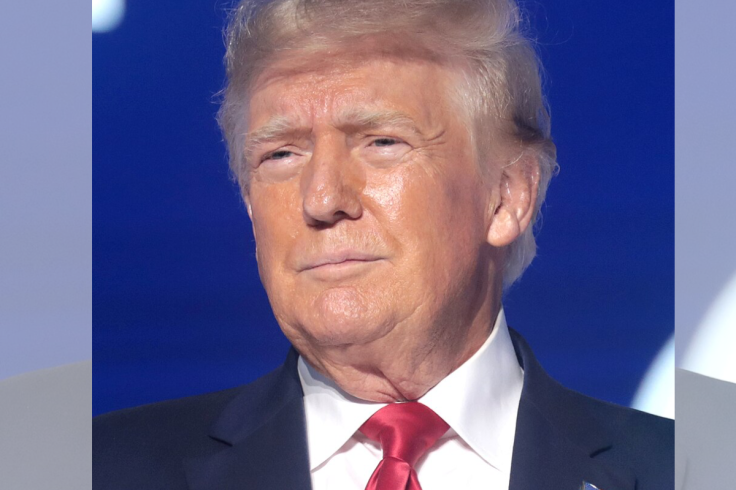
A brutal tech selloff wiped about $2.5 trillion (€2.2 trillion and £1.9 trillion) from the Nasdaq-100's market value on Thursday, 5 November, in Wall Street's sharpest one-day fall in more than a year. Within hours, President Donald Trump publicly blamed Democratic voters for the rout.
'You only have yourselves to blame!' Trump wrote on Truth Social, claiming stocks had fallen because Democrats had a big night in Tuesday's midterm elections. The post came barely a day after he celebrated a post-election rally, telling followers that 'Your 401(k)s are through the roof'.
Democrats won the House and Senate in the midterms, putting them on course to take control of Congress in January, halfway through Trump's second term. In the first session after the vote, the Dow Jones Industrial Average jumped more than 1,500 points, while the S&P 500 and Nasdaq Composite also rose.
That optimism did not last. Investors turned their attention to whether a Democratic Congress could tighten rules on new AI data centres, slowing construction and reducing demand for the chips that power them.
AI Chip Stocks Lead the Fall
Chip stocks bore the brunt of the reversal. Nvidia fell more than 9%, while Advanced Micro Devices slumped 17%, according to market reporting on the session. The Philadelphia SE Semiconductor index dropped 12%, reaching its lowest level in more than six months.
By Thursday's close, the Dow was down 3.44%, the S&P 500 had lost 4.36% and the Nasdaq Composite had fallen 5.52%. The losses wiped out Wednesday's gains and gave the S&P 500 and Nasdaq their worst day since Trump announced tariffs in April 2025.
The Nasdaq-100, which tracks many of the largest US-listed companies, fell 6.4% and lost about $2.5 trillion (€2.2 trillion and £1.9 trillion) in market value. The Nasdaq Composite is now in correction territory, nearly 12% below its record close on 6 October.
Michael O'Rourke, chief market strategist at JonesTrading, said the Democratic gains had made a slowdown in the data centre buildout 'the real key theme that's going to stick'. Bruce Zaro of Granite Wealth Management warned that future projects could face resistance over pressure on local power grids and water systems.
Shockwaves Felt in South Korea
The turmoil spread to Asia on Friday, 6 November. South Korea's benchmark Kospi plunged more than 8% shortly after the opening bell, prompting the Korea Exchange to halt trading for 20 minutes.
Samsung Electronics fell 10% and SK Hynix lost 13%, as investors focused on demand for the memory chips used in AI systems. The index recovered some ground after trading resumed, though both chipmakers remained lower.
South Korean officials later announced that collateral requirements on stock purchases made with borrowed money would be eased for three months from 9 November, a measure intended to limit forced selling when prices fall.
South Korean fund managers said the sudden halt and policy response underscored how tightly local markets are now tied to US technology shares, with one Seoul-based analyst noting that large pension and retail portfolios had 'meaningful exposure' to the same AI-related names that sold off in New York.
Trump had addressed retirement savings in an earlier Truth Social post, writing: 'Your 401(k)s have, therefore, dropped.'
The remark came a day after he celebrated the market's post-election gains, highlighting the reversal in sentiment across financial markets.
© Copyright IBTimes 2026. All rights reserved.