Tirana Zoo Animals Battle Scorching Heat as Keepers Struggle for Water: 'Everyone Struggles To Get It'
Tirana Zoo faces challenges as Albania's water crisis worsens during heatwave
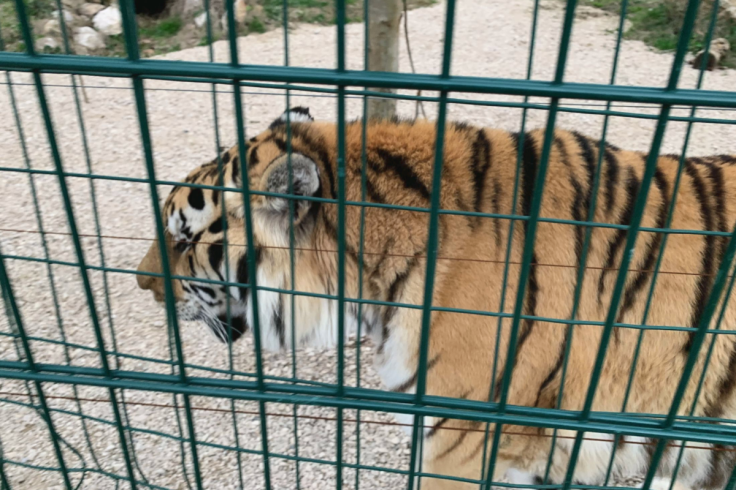
As Europe braces for another expected extreme heatwave, the animals at Tirana Zoo (locally known as Kopështi Zoologjik i Tiranës) in Albania are already suffering from the lack of water and shade. Locals report that bears hide during the hottest part of the day while tigers try to cool down in their shallow and sparse pool.
'These are not normal temperatures,' Ariel Vasili told a local publication. He is a wildlife veterinarian who used to work at Albania's lone zoo. 'While we do have animals at the zoo that can handle temperatures of 34 or 35 degrees Celsius (93.2 to 95 degrees Fahrenheit), no species in the world, only perhaps the camel, can cope with 42℃ (107.6℉), though even a camel would struggle.'
Lack of Trees and Water Add to Strain
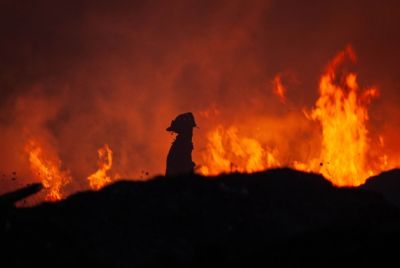
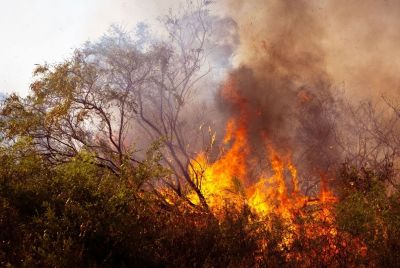
Vasili was referring to the extreme heatwave in July and August, when peak temperature reached 42°C in the capital city of Tirana, as well as in the city of Kuçova.
'One of our downsides is that our trees are very young, so we have to wait for shade to develop," said Vasili, while also lamenting the lack of water: 'We don't have running water available, so we try very hard to conserve the water we do have; however, this isn't just a zoo-specific problem.'
@life_in_tirana Come explore Tirana Zoo with me 🐒🌿 A fun and peaceful place for families and kids, while also reminding us how important animal care and protection truly are. ✨ #lifeintirana #livingintirana #tiranaplaces #tiranaalbania #tiranazoo
♬ Great Job - ZydSounds
Water is a problem for the whole country. Humans and animals are competing for the same limited resource. 'You have to understand that we live in Tirana... To be honest, we don't have water in Tirana. Everyone struggles to get it, not just us. But since our water consumption is higher, it stands out more in our case,' Vasili added.
Albania's Water Problem
Albania has faced a water crisis for years, now exacerbated by the European heat dome.
In 2024, the European Union's Parliament Magazine reported that several rivers had dried up in Albania, resulting in a lack of access to running water, especially in vulnerable communities. For years, the immediate answer was to mitigate the effects of climate change through hydropower.
At least 130 contracts were signed for the construction of hydropower plants, particularly in the Librazhd region, which is at least 65 kilometers from the capital. About a third of the contracts have been completed in 2024.
But while the hydropower plants provide electricity to many, these have depleted the nation's water resources. Some of the construction resulted in soil erosion, destruction of irrigation canals and the lack of drinking water.
A 2025 survey found that 94% of respondents noticed a decline in fish and vegetation in local rivers, reflecting the disruption of river ecosystems.
'Rivers in Crisis'
Degradation of Albania's rivers has accelerated over the past decade, according to a report by the Earth Journalism Network. The study cites multiple drivers: hundreds of small hydropower plants diverting and blocking flows, untreated sewage discharged directly into waterways, illegal sand and gravel extraction destabilising riverbeds, pesticide and fertiliser runoff from farmland, and unregulated construction along riverbanks and floodplains.
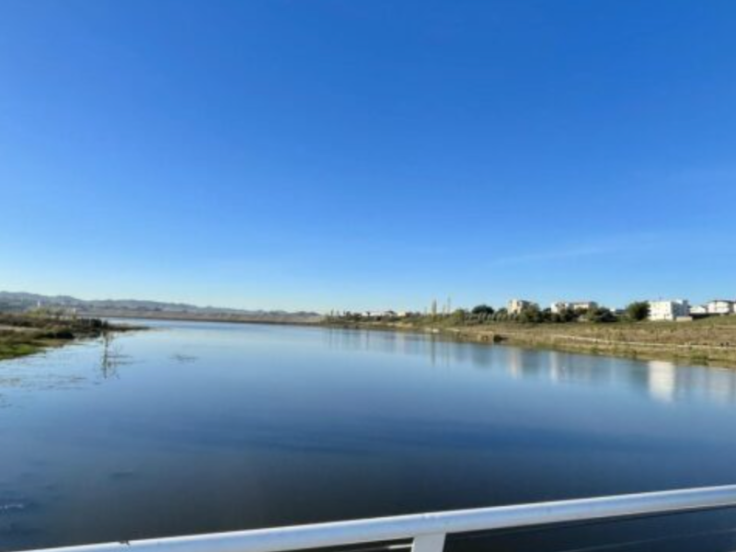
The report titled 'Albania's Rivers in Crisis: An In-Depth Guide for Journalists' was released on 12 June 2026. It warns that unless the water crisis in Albania is addressed, zoo animals and citizens alike will continue to compete for scarce water supply.
Albania already ranked last in the 2024 European Bathing Water Quality report released last year, with only 16.8% of monitored sites classified as excellent. Cyprus topped the list, with Bulgaria, Greece, Austria and Croatia completing the top five.
© Copyright IBTimes 2026. All rights reserved.
- Recommended For You