Ariana Grande Tells Trump 'Your Truth Is False' After His Campaign Uses Her Song for Anti-Trans Clip
The use of Grande's lyrics alongside this political messaging prompted the singer's response on the social media platform
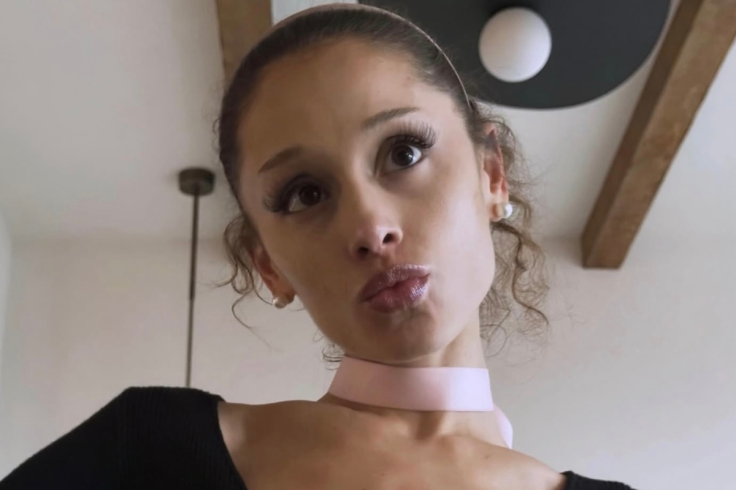
Pop star Ariana Grande publicly condemned Donald Trump on Thursday after the Trump campaign used her 2024 song 'We Can't Be Friends (Wait for Your Love)' in a TikTok video promoting anti-trans messaging about men and sports competition. The three-time Grammy winner responded directly on the platform, objecting to the unapproved inclusion of her track. The confrontation underscores a persistent issue regarding music rights and political messaging during modern election cycles.
For context, the news came after the campaign posted the controversial clip. The video showed Trump walking onto a stage at a rally, with text captions beginning with the pop star's lyric, 'Me and my truth we sit in silence.' The captions then shifted to messaging about men and sports competition that the source described as anti-trans. The use of Grande's lyrics alongside this political messaging prompted the singer's response on the social media platform.
Ariana Grande Rejects Trump Campaign TikTok Video
Grande responded in the comments section of the post, addressing the campaign's use of her material. 'Never use my music again,' she wrote. She added a second remark, writing, 'Also, your truth is false.' Following this direct intervention, her record label was reportedly working to remove the song entirely from the clip.
This marked the second time Grande had confronted the administration over the unauthorised use of her music. In June, she previously objected to the White House's use of her song 'Bye' in a pro-ICE video. Grande is also currently winding down her Eternal Sunshine tour across the globe, meaning this political dispute arrived just as she concludes a major international schedule.
Other Pop Stars Challenge Trump Campaign Tactics
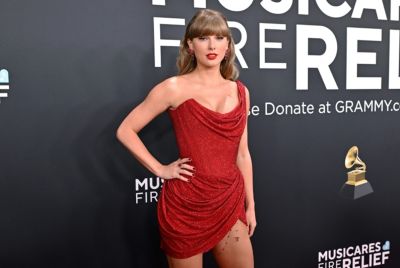
Grande joins a growing list of artists who have taken similar action against the Trump administration. Taylor Swift, Sabrina Carpenter, Olivia Rodrigo, and SZA have all objected to unauthorised use recently. The sheer number of contemporary artists having to issue these objections draws attention to the friction between pop stars and political operatives (a familiar headache during election season). Navigating the intersection of pop culture and political campaigns remains complicated stuff for artists today.
This is not a recent phenomenon limited to current chart-toppers. Other artists including the Rolling Stones, Neil Young, and Katy Perry have also pushed back previously. These veteran acts demonstrated an early willingness to challenge unauthorised soundtrack choices, setting a precedent for the current generation of performers.
Artists Assert Control Over Political Campaign Content
Furthermore, musicians spanning various genres and generations have found themselves in similar disputes. Radiohead, Kesha, Noah Kahan, Jess Glynne, and Kenny Loggins have all raised similar objections regarding political campaigns using their catalogues. Each case reinforces the industry's stance on protecting intellectual property from partisan applications.
As digital platforms make it easier to pair popular audio with campaign messaging, the pushback from the music industry remains steadfast. The pattern of disputes highlights ongoing tensions between pop artists and political campaigns over music rights. Ultimately, artists continue to assert control over how their work appears in political and social media content, a dynamic that will likely persist.
© Copyright IBTimes 2026. All rights reserved.
- Recommended For You