Elon Musk Stuns Fans by Declaring Berkshire Hathaway Is 'High on Coke' Over Massive Dividend Windfall
Berkshire's 400 million Coca-Cola shares generated about £526 million in 2022 and are projected to produce more as the drinks company raises its dividend
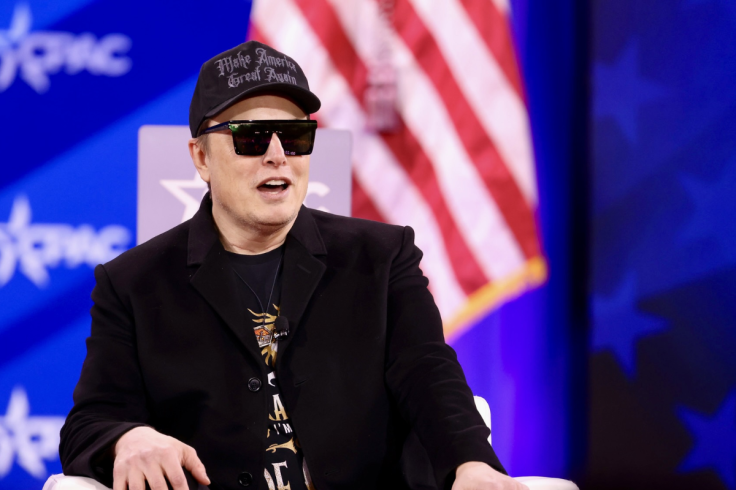
Elon Musk called Berkshire Hathaway 'high on Coke' on X after learning it received about £526 million ($704 million) in Coca-Cola dividends in 2022, as his remark referred to the company's investment in the drinks maker.
The payout came from Berkshire's roughly 400 million Coca-Cola shares. That holding is projected to generate about £633 million ($848 million) in 2026, as higher dividends increase the annual income from the investment that prompted Musk's comment.
Berkshire Hathaway's Coca-Cola Payout Keeps Growing
Musk was quoted in the Yahoo Finance report as saying 'Berkshire Hathaway [is] high on Coke'. It gives no date for the post, which concerned the 2022 figure rather than the annual dividend income projection for 2026.
Berkshire's holding remained at 400 million shares in its second-quarter 2026 13F filing, according to the report. It puts Coca-Cola's annual dividend for 2026 at approximately £1.58 ($2.12) per share, providing the basis for the projected income. That is an estimate for the whole year.
It assumes Berkshire retains the relevant shares and receives the stated dividend payments, rather than confirming that the entire sum has already arrived.
The earlier payout followed the same calculation. Coca-Cola paid approximately £0.33 ($0.44) per share each quarter in 2022. Applied across Berkshire's holding and the full year, that produced the dividend total disclosed in its annual report.
These are cash payments Berkshire receives as a shareholder. The company can collect them while continuing to own its Coca-Cola shares, so the income does not depend on selling the investment.
The distinction also separates the dividend receipts from the market value of the holding. A change in the share price and a payment to shareholders are different components of an investment's return.
Buffett's Long View at Berkshire Hathaway
Warren Buffett, Berkshire's former chief executive, described the history of those payments in his 2022 shareholder letter. Annual Coca-Cola dividends had grown from about £56 million ($75 million) in 1994 to the sum that caught Musk's attention.
'Growth occurred every year, just as certain as birthdays,' Buffett wrote. His account traced an income stream over decades.
The quarterly payments had become progressively larger, giving Berkshire more cash from a holding it continued to own. The comparison spanned years of dividend increases, rather than a single exceptional payment.
Buffett's enthusiasm for Coca-Cola also extended beyond its financial returns. During a 2019 appearance on CNBC's Squawk Box, he described a longstanding daily habit.
'I drink probably five 12-ounce Cokes a day, and that's about 700 calories, and I've been doing it more or less my whole life. I can't imagine anybody that feels better than I do,' he said.
What Berkshire Hathaway's Dividend Record Shows
According to the report, Coca-Cola has increased its dividend annually for 64 years. That record helps explain the growing income from Berkshire's stake, although it does not determine future payments.
The report cautions against assessing a dividend-paying company solely by its payout or yield. Business fundamentals and lasting competitive advantages also matter, while past performance offers no guarantee of future results.
Buffett has also advocated a broader approach for ordinary investors through low-cost index funds. In 2007, he bet that the S&P 500 would outperform hedge funds over a decade, and he won in 2017. He has said regular investment in a low-cost S&P 500 index fund 'makes the most sense practically all of the time'.
For Berkshire's own Coca-Cola holding, he expressed confidence about future dividends in the 2022 letter. He described the task he shared with his investment partner Charlie Munger in straightforward terms. 'All Charlie [Munger] and I were required to do was cash Coke's quarterly dividend checks. We expect that those checks are highly likely to grow.'
© Copyright IBTimes 2026. All rights reserved.
- Recommended For You