SpaceX Is 'Exclusive to Nvidia' for All Future AI Systems on Earth and in Space, Musk Says
While SpaceX stock declined, Musk's praise for Nvidia's GPUs boosted Nvidia's pre-market gains

SpaceX tanked by nearly 10% during pre-market hours on Wednesday despite narrowing its Q2 losses to $0.09 per share from a loss of $0.34 a year earlier, as revenue soared to $7.81 billion year-over-year from $4.07 billion.
While the SpaceX stock continued to tank, Musk's comments and X posts labelling Nvidia as the best GPU provider buoyed the stock of the chipmaker by around 1.8% during pre-market hours.
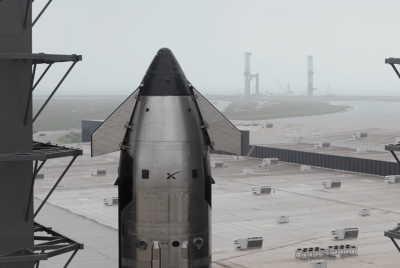
On X, Musk highlighted in a post that SpaceX has committed to using Nvidia GPUs exclusively because they are the best. He also reposted Nvidia and SpaceX's official tweets about the joint development of the Starmind AI1 satellite compute payload using Nvidia's Rubin GPUs and Vera CPUs.
SpaceX has committed to using Nvidia GPUs exclusively because they are the best
— Elon Musk (@elonmusk) August 4, 2026
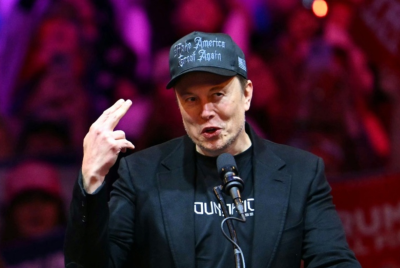
During the Q2 earnings call, Musk added that SpaceX believes that the 'Vera Rubin architecture is the best architecture... is the best AI computer...So we're exclusive to Nvidia.'
Musk also indicated that SpaceX intends to end 2026 with over 2 gigawatts worth of compute, with goals to have 10 GW of computing capacity by the end of 2027. He added that SpaceX will also deploy Nvidia's Vera Rubin NVL72 rackscale system on the ground as well as in space as part of its Starmind satellite programme.
Note that SpaceX's Q2 AI revenue soared 213% to $2.56 billion from $737 million a year earlier, which the company attributed to momentum in cloud service agreements and higher Grok and X subscriptions. SpaceX also entered leasing agreements with Google and Anthropic that will see the companies rent out SpaceX's data center capacity to power their AI services in exchange for billions of dollars in payments to Musk's company every year.
Why SpaceX Stock Crashed Despite Positive Developments
The SpaceX stock continued to decline since its mid-June IPO, dragging down Musk's wealth to below $800 billion from well over a trillion dollars a few weeks ago. The latest stock price pressure following Q2 results could be attributed to multiple factors, including surging AI capex.
Capital expenditure during the quarter rose to $18.37 billion, up from $2.83 billion a year earlier, which is a 6.5X jump within 12 months; a prolonged pain point for investors. This figure was well above analyst expectations. At the same time, that AI spending jumped by over 21X to $15.83 billion from $749 million a year earlier.
The stock continued to face pressures despite SpaceX CFO Bret Johnsen's attempt to allay investor fears over capex. The exec had mentioned that SpaceX has been 'efficient' with its spending, and 'on the AI compute side, we're able to deploy capital in such a way that we're getting less than a one-year payback.'
Another factor weighing on the stock is the upcoming expiry of its initial insider share-lockup period this week, which will let employees and initial investors sell their stakes in SpaceX for the first time since the June listing.
Around 912 million insider-held shares will become eligible for trading after the restriction ends on 6th August, more than doubling the number of shares currently available in the public market. This development could potentially ramp up trading volatility and subsequently stock price fluctuations.
The lockup expiry gives many employees and early investors an opportunity to convert years of equity holdings into cash. Many employees who accumulated company shares during their tenure now face decisions on whether to sell or hold their investments as the stock price continues to decline.
Disclaimer: Our digital media content is for informational purposes only and does not constitute investment advice. Please conduct your own analysis or seek professional advice before investing. Remember, investments are subject to market risks, and past performance does not guarantee future returns.
© Copyright IBTimes 2025. All rights reserved.
- Recommended For You