

The Missing Layer in Fitness Tech: Why Movement Data Is Still a Blind Spot
As wearables become mainstream, privacy rules, closed platforms and the complexity of real-world gyms are slowing progress in movement analysis
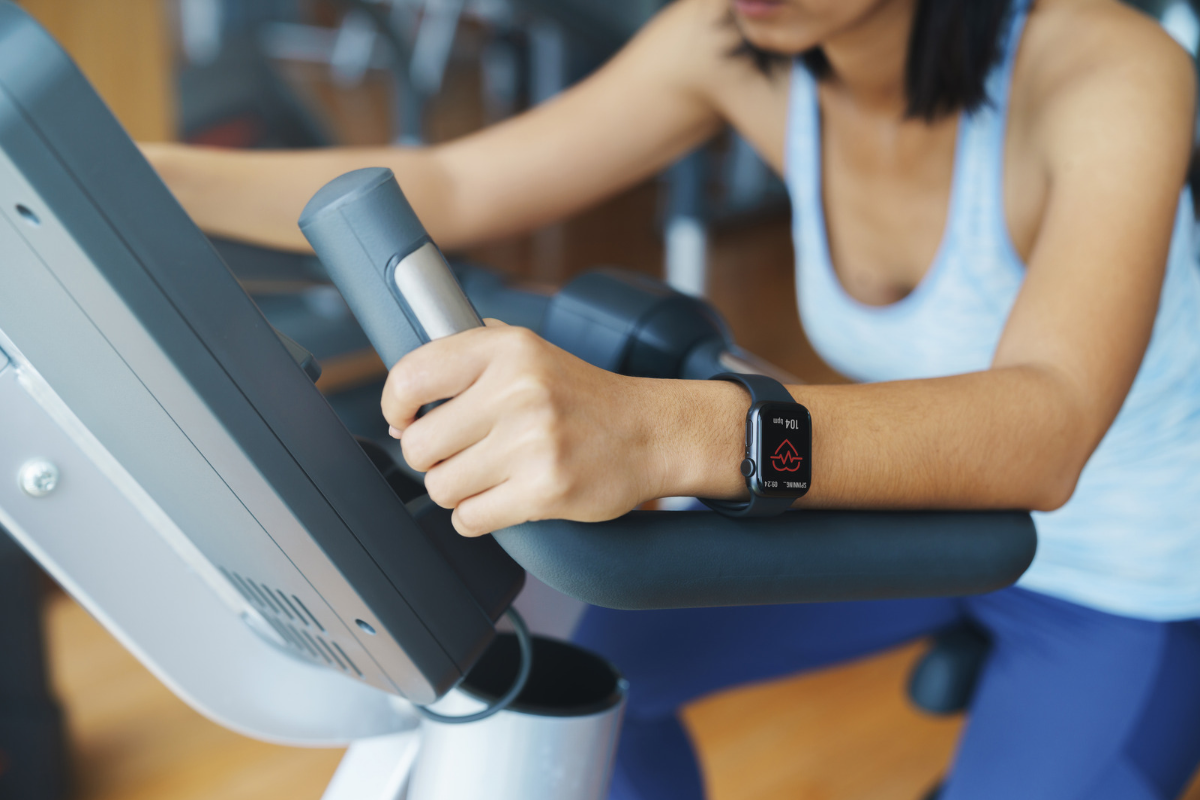
At tech events or coffee shops, Oura rings are more common than wedding bands. In May, Whoop's founder addressed OMR, one of Europe's largest marketing conferences, not for a product demo, but to highlight fitness tech's growing cultural presence.
Today, professional sports teams use tracking tools that would have seemed experimental just two Olympic cycles ago.
Fitness technology has moved from an enthusiast product to a cultural fixture, and with that shift, it has gained the problems of any grown-up industry.
The market reflects the shift as well.
The UK fitness and gym sector reached $7.4 billion in 2025, with gym membership penetration at an all-time high of 16.9% (ukactive, IMARC Group). 42% of UK adults now use a wearable device, according to a 2024 Statista survey. Globally, the fitness app market was valued at $12.12 billion in 2025 and is projected to reach $33.58 billion by 2033 (Grand View Research).
Fuad Murtuzayev, co-founder and product lead at Keane Tech, points to one category where this investment has produced remarkable detail: internal biometrics. Your heart beats whether you track it or not. Your body recovers, your oxygen levels shift, your sleep moves through its cycles. The internal mechanics of the human body have become legible.
The missing layer, in Murtuzayev's view, is the ability to watch how people move.
When you walk into a gym, your wearable stops being useful for the thing that matters most in that room. It records cardiovascular load, and some devices track exercises and sets but they have limited visibility into whether your form was sound or building toward an injury.
The gap between what the best wearable captures and what a session contains is substantial. For most people who train, movement quality is the primary variable determining whether they progress or get hurt. Current technology barely touches it.
Biometric data collected by a wearable lives in a closed pipeline: one device, one app, one company. Movement data requires cameras in a physical space owned by someone else, which raises questions of data ownership, consent, and regulatory compliance that wearable companies have little incentive to take on.
Depending on how it is processed, this data can fall into GDPR's special-category tier, either as biometric data used to identify a person or as health data, among the most sensitive classifications under the regulation.
Any vendor processing it on behalf of a gym must operate under a formal data processing agreement and act only on documented instructions, according to a 2025 analysis by Goodwin Procter.
Under the EU GDPR, fines for non-compliance reach €20 million or 4% of global annual turnover.
In Murtuzayev's view, that regulatory friction has been sufficient to keep most companies focused elsewhere. Fitbit's 2023 GDPR complaints across three EU jurisdictions over mandatory consent for data transfers with no real opt-out illustrate how health data practices can attract scrutiny.
There is also an interoperability problem. Most fitness-tracking wearable companies, including Whoop, Garmin, Apple and Oura, operate closed ecosystems with their own API policies.
Connecting movement data captured in a gym to biometric data across separate platforms requires working through different commercial agreements and API terms for each platform.
For Murtuzayev, the practical consequence is that two of the most important data streams about a gym member's training—internal state and external movement—remain disconnected.
For gyms, this is also a retention problem. UK gym membership penetration has reached a record high, but keeping members engaged long enough to see results remains difficult. Facilities that can give members substantive feedback on what they are achieving in sessions have a more durable proposition than equipment and floor space alone.
Computer vision can already detect joint angles, identify variations in exercise, and flag movement asymmetries. Getting it to work in a busy commercial gym across variable lighting, multiple people moving at once, and within what GDPR allows a facility to collect is where progress has stalled.
Wearables got very good at listening to your body. But until the technology learns to watch it and connect that to useful daily feedback, fitness tech's biggest blind spot remains wide open.
About the expert
Fuad Murtuzayev is co-founder and product lead at Keane Tech, a London-based fitness technology company building a platform for automated movement analysis and real-time performance feedback.
© Copyright IBTimes 2026. All rights reserved.