

Florida Inmate Who Murdered Cellmate To Get Death Sentence Faces Execution He Asked For Today
James Robertson has spent nearly 18 years on death row and has repeatedly declined appeals, saying he preferred execution to life in prison
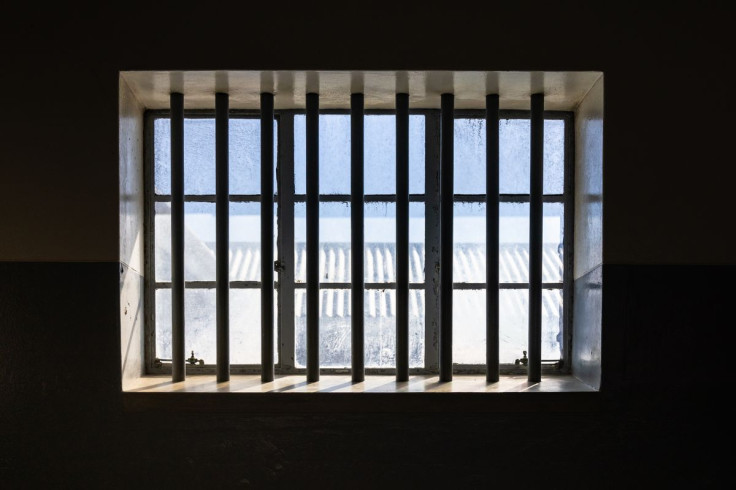
Florida death row inmate James Robertson is scheduled to be put to death by lethal injection at Florida State Prison near Starke at noon on Tuesday, 13 October 2026, nearly 18 years after deliberately murdering his sleeping cellmate to secure a capital sentence
The 63-year-old prisoner strangled fellow inmate Frank Hart using socks tied together at Charlotte Correctional Institution in December 2008, openly admitting to investigators that he committed the unprovoked killing because he had grown exhausted by decades of incarceration and wished to be executed.
Robertson, who first entered the state penal system at age seventeen in 1980, consistently waived his right to jury sentencing recommendations and refused all post-conviction appeals, maintaining for more than a decade that he preferred execution over spending the remainder of his life behind bars.
The execution marks the seventeenth capital sentence carried out in Florida during 2026, advancing an unprecedented pace under Governor Ron DeSantis.
As civil liberties groups argue that Robertson's motive exposes how capital punishment can perversely incentivise fatal violence rather than deter crime, the state prepares to administer a three-drug lethal protocol to fulfil the inmate's longstanding death wish.
Why James Robertson Killed His Cellmate
Robertson was serving time at Charlotte Correctional Institution, north of Fort Myers, when he murdered his cellmate, Frank Hart, on 10 December 2008.
According to court records, Robertson tied several socks together and used them to strangle Hart while he slept. Investigators said the attack was unprovoked, with Robertson admitting that he killed his cellmate specifically to receive a death sentence.
Robertson had been incarcerated since 1980, when he entered Florida's prison system at the age of 17 following convictions for burglary and assault.
Over the years, additional convictions involving escape, battery and weapons offences extended his prison sentence. By the time he murdered Hart, Robertson had spent nearly three decades behind bars.
Investigators said Robertson had grown tired of prison life and wanted to be executed rather than continue serving his sentence. Hart, meanwhile, had been imprisoned since 2003 following a sexual battery conviction.
Robertson Pleaded Guilty and Waived His Appeals
Following the murder, Robertson pleaded guilty to first-degree murder and waived the penalty phase of his trial, during which a jury would ordinarily recommend either a death sentence or life imprisonment.
Robertson has been on death row since 2012. Rather than pursue efforts to overturn his conviction or sentence, Robertson waived post-conviction proceedings, maintaining his position that he wanted the punishment imposed.
In March 2016, the Florida Supreme Court affirmed Robertson's death sentence, finding that his guilty plea was knowing and voluntary and that the death sentence was proportionate. Robertson's position reportedly remained unchanged even as his execution approached.
During a hearing earlier this month, he told a judge that he understood his execution had been scheduled and did not wish to pursue any final appeals before the Florida Supreme Court or the US Supreme Court.
Florida Execution Scheduled for Today
Robertson is scheduled to be executed at noon on Tuesday at Florida State Prison near Starke, using the state's three-drug lethal injection procedure.
According to the Florida Department of Corrections, the process involves administering a sedative, followed by a paralytic and a drug intended to stop the heart. If carried out as scheduled, Robertson's execution would make him the 17th person executed in Florida in 2026.
His execution was initially expected to be one of two carried out in the state on Tuesday. However, Governor Ron DeSantis withdrew the death warrant for fellow inmate William Lee Thompson last week, following an earlier temporary stay pending a psychiatric evaluation. Thompson remains on death row and could face another execution date if a new warrant is signed.
Questions Raised About Death Penalty as a Deterrent
Robertson's case has drawn criticism from death penalty opponents, who argue that his decision to commit murder in pursuit of execution challenges the punishment's effectiveness as a deterrent.
While supporters of the death penalty have long argued that the punishment discourages murder, Robertson's stated motive presents an unusual contradiction: he allegedly committed murder precisely because he wanted to be executed.
Floridians for Alternatives to the Death Penalty, an organisation opposed to capital punishment, has pointed to the case as an example of the limitations of that argument.
In a statement, the organisation's legal and policy director, Maria DeLiberato, said Hart deserved protection while in state custody and that his loved ones deserved compassion.
She also argued that cases involving individuals who commit murder to secure their own execution raise questions about whether the availability of capital punishment can sometimes contribute to the violence it is intended to prevent.
The organisation's position reflects a broader debate over the death penalty, although Robertson's individual case does not establish whether capital punishment deters crime more generally.
Florida's Record Pace of Executions
Robertson's scheduled execution comes amid an unusually high number of executions in Florida under Governor DeSantis.
The state carried out 19 executions in 2025, the highest number overseen by any Florida governor in a single year since capital punishment was reinstated in 1976.
If Robertson's execution proceeds, Florida will have carried out 17 executions so far in 2026, with two more already scheduled. William Reaves, 77, is scheduled for execution on 20 October, followed by Jesse Guardado, 64, on 5 November.
Should all three executions proceed as planned, Florida would match its 2025 total before the end of the year. DeSantis has previously defended the pace of executions, saying his administration aims to deliver justice to victims' families who have waited decades for death sentences to be carried out.
For Robertson, however, the circumstances remain particularly unusual. Nearly 18 years after killing his sleeping cellmate in an effort to secure his own execution, he now faces the punishment he repeatedly said he wanted.
© Copyright IBTimes 2026. All rights reserved.