81,000 Crypto Investors Warned by HMRC: 'Shooting Fish in a Barrel' Is Coming
Swapping one coin for another counts as a sale, and each letter gives 60 days to reply

A crypto trade that never turned into cash can still leave a tax bill, and 81,000 warning letters saying so have gone out from His Majesty's Revenue and Customs (HMRC) over the past year. Neela Chauhan, a partner at the accountancy firm UHY Hacker Young, said that once HMRC gets the exchange data it is owed, chasing crypto investors will be 'like shooting fish in a barrel.'
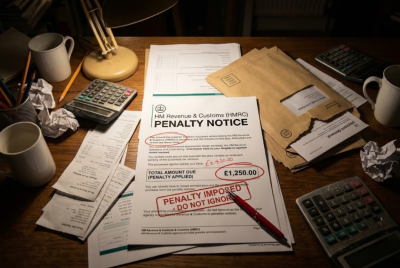
The letter is not a fine, and it is not an investigation. It says HMRC holds records of crypto trades that do not match the person's tax return, and it asks them to check their figures and put anything right. The deadline to reply is 60 days.
The numbers are climbing. HMRC sent 65,000 letters in the previous tax year and 8,329 as recently as 2021/22. UHY Hacker Young obtained the figures from HMRC under freedom of information rules.
Why the Letters Are Going Out Now
HMRC can already see some of what crypto holders do, because exchanges based in Britain hand over transaction records. That is enough to spot a gap between those records and a tax return. It is not enough to work out what anybody owes.
That changes in 2027. Crypto platforms in 52 countries will have to start sending HMRC details of their British customers, and the first reports are due on 31 May 2027. The letters going out now are being sent before that information lands.
Another round is being posted between July 2026 and March 2027, according to the accountancy firm KPMG.
What Counts as a Sale
This is the part that catches people. Selling crypto for pounds is obviously a sale. So is swapping one coin for another, spending crypto on goods or services, or giving it to anyone except a husband, wife, or civil partner. Each of those can create a tax bill even though no money ever reaches a bank account.
Crypto that is earned rather than sold works differently. Rewards from mining, staking, and lending count as income and are taxed at income tax rates instead.
The tax-free allowance has also shrunk. A person can make £3,000 of profit a year before tax is due, down from £12,300 in 2022/23. Anything above that is taxed at 18% or 24%, depending on what they earn.
What Happens If the Letter Is Ignored
Getting a letter does not mean somebody has done something wrong. HMRC expects the person to check their records, amend a recent tax return if there is still time, and use HMRC's cryptoasset disclosure service for older years. Anyone who believes nothing is owed is asked to say so and explain why.
The cost of doing nothing is the part worth knowing. If HMRC has to chase, the penalty can reach 100% of the unpaid tax, on top of the tax itself. If somebody comes forward first, using the cryptoasset disclosure service, the penalty can be nothing at all.
Not everyone agrees that chasing is the answer. Gary Ashford, who chairs the crypto assets working group at the Chartered Institute of Taxation (CIOT), has argued that 'HMRC can help more people comply, reducing the need for costly tax recovery efforts.'
The group HMRC is writing to is a big one. Around seven million UK adults hold roughly £12.9 billion in crypto, according to a Financial Conduct Authority (FCA) estimate from 2025. UHY Hacker Young says many of them are young and have had little to do with tax before.
So the same unpaid tax can cost two very different amounts, depending on who moves first.
© Copyright IBTimes 2025. All rights reserved.
- Recommended For You