

Donald Trump Exposed: Pentagon Hid Iranian Strike Damage on 28 US Bases as POTUS Claims Victory in Iran War
Fresh analyses reveal extensive damage to US assets, challenging Trump's narrative of victory.
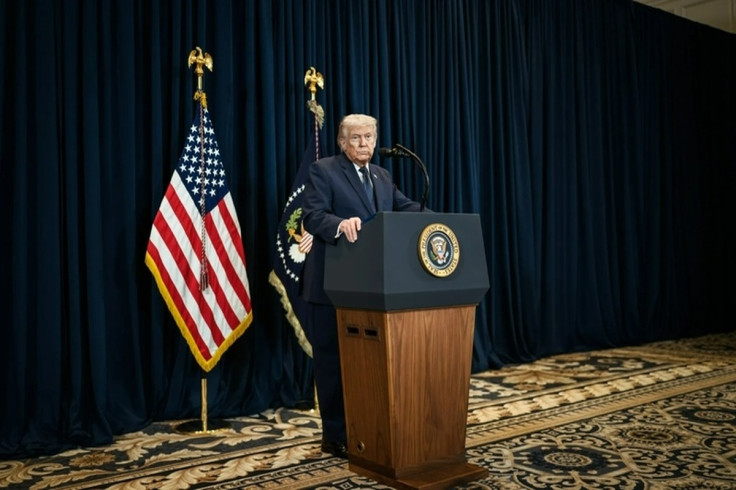
Donald Trump continues to portray the conflict with Iran as a military success, but fresh reporting and satellite-image analysis are raising questions about the scale of damage sustained by US assets across the Middle East.
A BBC review published on Monday said Iranian strikes had affected between 20 and 28 American military sites across eight countries, while separate Reuters reporting indicated military tensions involving the two sides remain unresolved despite repeated discussion of ceasefire efforts.
🇮🇷🇺🇸 Satellite imagery reviewed by BBC Verify suggests Iranian strikes have hit at least 20 US military sites across eight countries in the region since the conflict began.
— WAR (@warsurv) June 1, 2026
Reports indicate damage to air defence systems, surveillance aircraft, fuel depots, and communications… pic.twitter.com/wIvI2vLQmi
Taken together, the reports present a more complicated picture than Trump's repeated claims that Iran's military capabilities have been 'destroyed' or 'obliterated.'
Damage Across the Region
According to the BBC's analysis, Iranian attacks affected a network of US facilities across the Middle East, with reported damage involving aircraft, missile-defence systems, hangars, fuel-storage facilities and troop accommodation.
The broadcaster said its findings were based on satellite imagery from multiple providers, alongside historical images used to compare sites before and after reported attacks.
The review builds on earlier BBC reporting published in March, which estimated hundreds of millions of dollars in damage. The latest assessment suggests the scale of the impact may be considerably broader as additional sites and imagery have been examined.
While the full extent of losses remains disputed, the findings challenge suggestions that American infrastructure in the region escaped the conflict largely intact.
Questions Over Transparency
One of the most contentious elements of the report concerns access to satellite imagery. The BBC said the Pentagon pressured satellite-imaging company Planet to restrict public access to some newly captured images from affected areas. Analysts were nevertheless able to continue assessing conditions using imagery from other providers and previously available material.
The allegation has fuelled questions about transparency surrounding the conflict and whether the public has been given a complete picture of the damage sustained by US forces and facilities. The Pentagon has defended its handling of operational information.
High-Value Assets Targeted
Among the assets identified in the BBC review were THAAD anti-ballistic missile batteries in Jordan and the United Arab Emirates, systems regarded as some of the most advanced components of America's regional missile-defence network.
"US is only known to operate 8 of these in the world. They're called THAADs, which are designed to detect & intercept missiles & drones. They cost more than £1bn to make, & it appears at least 3 THAAD systems have been damaged"
— Saul Staniforth (@SaulStaniforth) June 1, 2026
A report on Iranian attacks on US military targets pic.twitter.com/KgzywDsHiK
The report also cited damage involving surveillance and refuelling aircraft in Saudi Arabia, alongside fuel facilities, hangars and accommodation areas elsewhere in the region.
If accurate, the findings suggest Iran focused not only on symbolic targets but also on logistics and support infrastructure essential to sustaining US operations.
Conflict Still Unresolved
The reporting also indicates that the wider confrontation remains active. Reuters reported that US forces carried out strikes on Iranian-linked targets over the weekend, while Tehran said it responded by targeting a US military installation. Separate BBC reporting indicated Kuwait was again affected by missile and drone activity linked to the conflict.
Those developments suggest that, despite periodic ceasefire discussions, the risk of further escalation remains.
Cost of the War
The financial burden of the conflict is also drawing scrutiny. Recent reporting has cited Pentagon spending running into the tens of billions of dollars, while critics argue the final cost is likely to be substantially higher once repairs, equipment replacement and longer-term operational expenses are included.
The US-Israeli war on Iran has become an unprecedented financial burden for the United States, with costs already exceeding $95 billion.
— Al Mayadeen English (@MayadeenEnglish) May 31, 2026
According to the US-based Iran War Cost Tracker, which compiles Pentagon and congressional data, Washington has at times been spending nearly… pic.twitter.com/5kDzmcSDqV
The debate is increasingly becoming a domestic political issue as lawmakers question both the cost and strategic value of the campaign.
Trump's Victory Narrative
Trump has repeatedly argued that US operations severely degraded Iran's military capabilities and delivered a decisive result. The BBC's latest analysis does not dispute that Iran suffered significant losses. It does, however, point to evidence that Iranian retaliation also imposed substantial costs on American forces and infrastructure across the region.
That contrast sits at the centre of the current debate. Supporters of the administration point to pressure placed on Tehran, while critics argue the public has not been given a full accounting of the damage sustained by US assets.
Accountability Questions
The broader issue now centres on transparency and accountability. Satellite imagery, competing government claims and continuing military activity have created a picture that remains difficult to verify in full.
What is clear, however, is that questions surrounding the scale of the damage and the public presentation of the conflict are unlikely to disappear.
For Trump, declarations of victory are now being weighed against reporting that suggests the consequences of the war may be more extensive than initially acknowledged.
© Copyright IBTimes 2025. All rights reserved.
- Recommended For You


