10 Photos of Parastoo Ahmadi: Court Brands Singer 'Semi-Naked' in Ruling That Lands Her 74 Lashes
Court ruling highlights strict enforcement of dress codes and digital monitoring in Iran

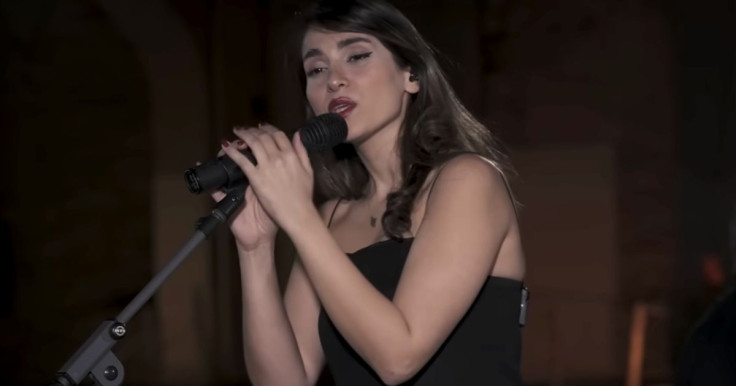
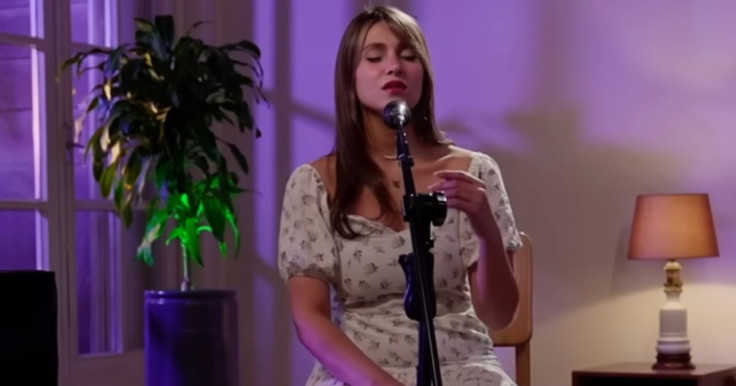
An Iranian court has sentenced vocalist Parastoo Ahmadi to 74 lashes after officially branding her 'semi-naked,' following the release of a viral music video. The ruling targets Ahmadi alongside eight other musicians and production crew members who participated in the Caravanserai Concert. The ruling is preliminary, and all nine defendants retain the right to appeal.
This judicial decision highlights the strict enforcement of dress codes and the monitoring of digital spaces within the country. According to reports published by Iran Wire, authorities are treating the creation and digital sharing of the performance as a highly serious criminal offence.
The Video That Triggered Criminal Charges
The controversy centres around a professional music video published online between November and 12 December 2024. In this footage, Ahmadi performed a vocal set alongside male musicians without wearing the state-mandated hijab.
The Caravanserai Concert quickly gained widespread attention across various social media platforms. Its rapid digital circulation immediately prompted regional judicial bodies to file formal criminal charges against the content creators.
Following the video's initial release, state authorities detained several individuals involved in the production on a temporary basis. The government scrutinised the footage heavily, which ultimately led to a comprehensive indictment against the entire artistic team.

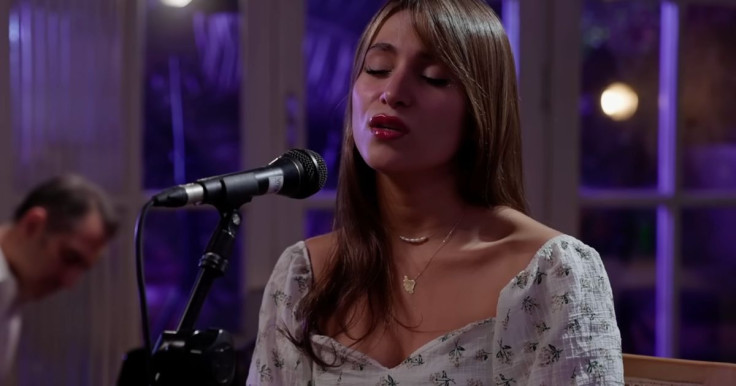
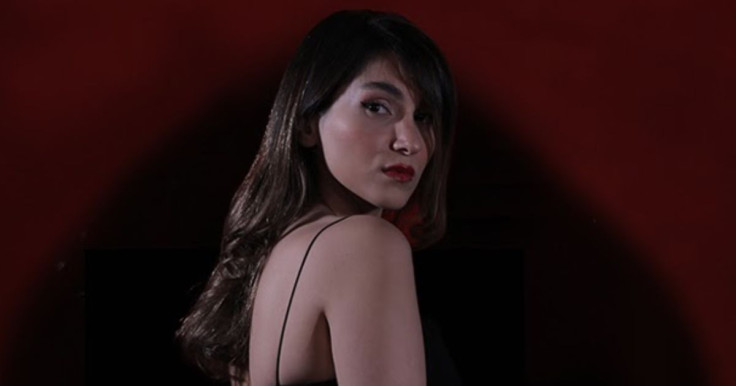
How the Court Classified Exposed Hair as 'Obscene Images'
The official indictment document specifically outlines the state's perspective on Ahmadi's appearance during the recorded performance. The text describes her performance attire as 'lacking the Sharia-compliant hijab,' before elevating the description to 'semi-naked.'
In his formal assessment, the presiding judge pointed directly to her exposed head, neck, hands, and other visible parts of her body. Because of these exposed physical areas, the court officially classified the published visual content as 'obscene images.'
The court emphasised that the penal ruling did not rely solely on the simple absence of a headscarf. The judicial panel stated that the comprehensive production, professional filming, editing, and widespread distribution over cyberspace factored heavily into their final criminal designation.
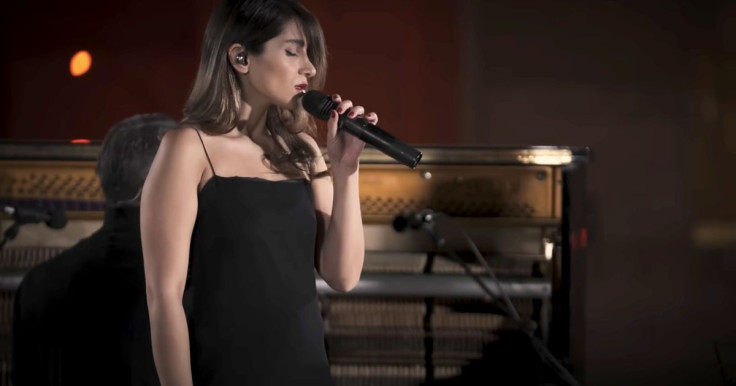

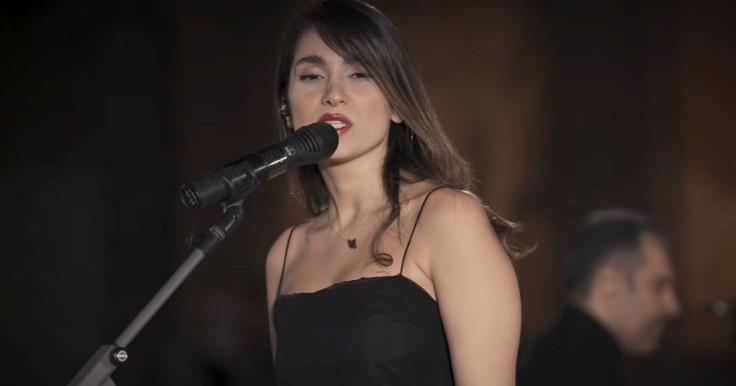
How Online Distribution Sealed the Verdict
The Criminal Court of Qom Province handed down a multifaceted punishment for the alleged public offence. Alongside the 74 discretionary lashes, all nine individuals received a strict two-year ban on artistic activities and a two-year travel ban.
These severe penalties stem from specific charges of 'outrageous offence to public decency,' according to the preliminary legal documents. To justify the mandated sentences, the court cited Article 638 of the Islamic Penal Code and Article 743 of the Computer Crimes Law.
The ruling noted that the unrestricted nature of internet distribution removed the musical performance entirely from the private sphere. Consequently, the judge assigned collective criminal liability, penalising the videographers, editors, and musicians equally for their roles in the shared social consequences.

The Ongoing Impact on Female Vocalists in the Artistic Sphere
At the precise time of its release, the Caravanserai Concert received significant acclaim from local social media users. It also garnered substantial public support from numerous independent artists and civil activists across the region.
This judicial response underscores a continuation of systemic restrictions targeting female vocalists within the Islamic Republic. Such institutional barriers have remained a central flashpoint in the cultural sector, especially following the broader public demonstrations of the 'Woman, Life, Freedom' movement.
The current convictions are accompanied by an explicit judicial order to publicise the penalties in public media outlets. However, this remains a preliminary ruling, meaning all nine defendants retain the legal right to subject the decision to a formal appeal.
© Copyright IBTimes 2025. All rights reserved.
- Recommended For You