

Nationwide's 1% Deposit Mortgage Opens Doors for Buyers, but Excludes Flats and New-Build Homes
The Helping Hand mortgage offers eligible first-time buyers loans of up to six times their income, subject to affordability checks and other criteria
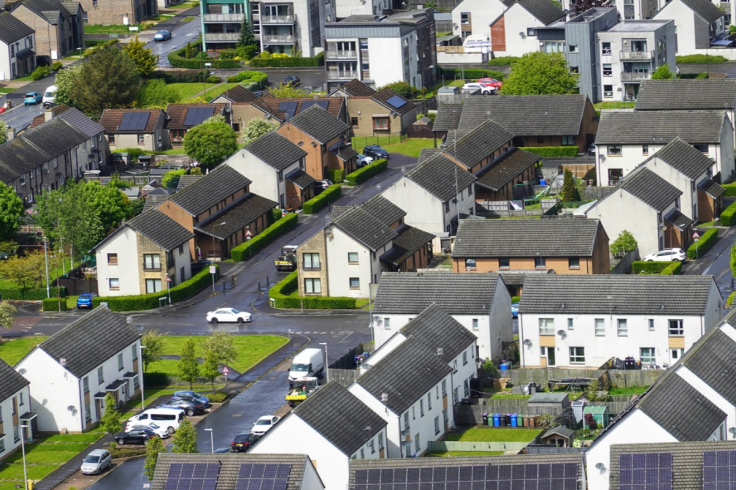
First-time buyers across the UK can apply for a Nationwide mortgage requiring a deposit of just 1%, but the product is restricted to existing houses, excluding flats and new-build homes.
The Helping Hand 1% Deposit Mortgage, launched on Wednesday 25 November, allows eligible borrowers to apply for up to six times their income, subject to affordability assessments and the lender's criteria. A couple with a combined income of £50,000 could therefore potentially borrow up to £300,000, although this is a maximum borrowing illustration, not a guarantee. Actual offers will depend on each applicant's circumstances.
The mortgage carries a fixed rate of 5.99% for five years and has no product fee. It offers terms of up to 40 years and loans of up to £750,000.
Smaller deposits are being offered as high property prices and rents make saving harder. Nationwide's 1% offer lowers the upfront deposit requirement, but its property restrictions limit the homes buyers can consider.
Applicants must earn at least £30,000 individually or £50,000 jointly. These are minimum income thresholds, not guarantees of approval. Self-employed borrowers are not eligible. Applications must be made through a mortgage broker or a Nationwide mortgage adviser. Every applicant must pass affordability, credit-scoring and underwriting checks, with the lender assessing individual circumstances.
Why Flats and New-Build Homes Are Excluded
Only previously owned houses qualify. Flats, new-build properties and listed buildings are excluded under the published eligibility criteria. The product is also unavailable to applicants whose main income comes from self-employment. A buyer planning to purchase an excluded property will need to consider another mortgage or scheme.
Nationwide has not provided a detailed explanation for the property restrictions. They are conditions of this particular product and do not, on their own, indicate a wider judgement by the lender on flats or new-build homes.
What a 1% Deposit Means for Borrowers
A 1% deposit on a £200,000 purchase would be £2,000, leaving a mortgage of £198,000 before any other costs. This is an illustration of the deposit calculation only; actual purchase prices and loan amounts will vary. Borrowers using the mortgage would need a loan covering 99% of the purchase price.
That leaves buyers with a larger loan relative to the property's value, while the 5.99% rate will affect repayments. A low deposit does not, on its own, make a mortgage affordable. Buyers borrowing most of a property's value may also face difficulties if prices fall or they need to sell early.
A Government Route for New-Build Buyers
Separately, the Government has published guidance on its Your First Home scheme, updated on 3 November. It is aimed at first-time buyers in England purchasing eligible new-build homes. The scheme is separate from Nationwide's mortgage, and applications are expected to open in February 2027.
Buyers will need a deposit of at least 2.5%, alongside a Government equity loan worth 20% of the purchase price. The loan is interest-free for the first five years. The remaining 77.5% would be covered by a repayment mortgage.
The schemes differ in their eligibility and how they work. Nationwide's mortgage is for existing houses across the UK, while Your First Home is a Government scheme for eligible new-build properties in England. The type of home buyers want will largely determine which route may be available.
© Copyright IBTimes 2026. All rights reserved.