NSA Warning: Attackers Targeting Home Networks—Why You Should Reboot Your Internet Router Now
Security agencies urge users to update firmware and secure home routers
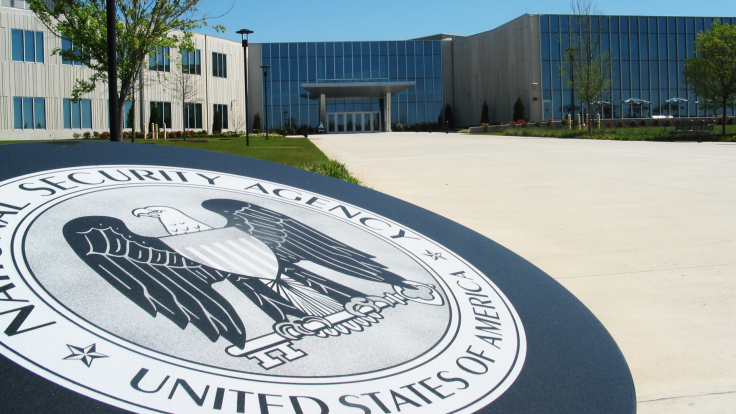
The National Security Agency has issued a warning about rising cyber threats targeting home internet routers, saying attackers are increasingly exploiting vulnerabilities to access personal data, intercept communications and compromise connected devices.
In coordination with the Federal Bureau of Investigation, the agency says foreign-linked cyber groups, including Russia's military intelligence unit known as APT28 or Fancy Bear, have been actively scanning and exploiting weak home network security.
Officials are urging users to take immediate protective steps, including updating router firmware, strengthening passwords and rebooting devices regularly to reduce exposure to attacks.
NSA Flags Surge in Home Network Attacks
The National Security Agency, a US intelligence body responsible for cybersecurity guidance, says malicious actors are increasingly focusing on home internet networks as entry points for broader cyber exploitation.
The warning highlights that attackers are targeting vulnerable routers worldwide, particularly devices that are outdated or no longer supported by manufacturers.
According to the advisory, home routers can be used as gateways to access personal and confidential data once compromised. This includes stored credentials, browsing activity and connected smart devices.
The FBI has echoed similar concerns, noting that unsecured routers remain a persistent weakness in household cybersecurity.
APT28 and Exploitation of Router Vulnerabilities
Security agencies have specifically linked some of the activity to APT28, also known as Fancy Bear, a cyber espionage group associated with Russian military intelligence. The group has previously been connected to global cyber intrusions targeting government, military and infrastructure systems.
The NSA says APT28 has been observed exploiting known router vulnerabilities, including CVE-2023-50224, to gain unauthorised access to devices. Once inside a network, attackers may intercept traffic or use compromised routers to pivot into other connected systems.
The warning states that such techniques are part of a wider pattern of cyber operations that rely on poorly secured home and small office networks.
Why Routers Remain a Key Weak Point
Cybersecurity officials say many households continue to use routers that are either outdated or configured with default settings. These include unchanged administrator credentials, enabled remote management features and outdated firmware that no longer receives security patches.
Devices from major consumer brands, including TP-Link and others, have been highlighted in past advisories as being affected when not regularly updated. Security experts say the problem is often not the hardware itself but user maintenance practices, which leave networks exposed for long periods.
Once a router is compromised, attackers can potentially monitor traffic or use the device as part of a wider network of infected systems.
NSA Guidance on Securing Home Networks
The NSA recommends a series of baseline security measures for home internet users. These include changing default usernames and passwords, disabling remote administration access from the internet, and ensuring firmware updates are installed as soon as they are released.
The agency also advises users to check whether their routers are still receiving manufacturer support and to replace any end-of-life devices.
In addition, the NSA highlights routine rebooting of routers as part of basic cyber hygiene. It recommends restarting devices on a regular basis, alongside smartphones and computers, to help clear potential malicious activity and ensure systems are refreshed.
NSA supports @FBI PSA on Russian GRU cyber actors exploiting routers. Take action today to stay secure.
— NSA/CSS (@NSAGov) April 8, 2026
To learn more and for best practices, read NSA's press release.https://t.co/JMgFuSLL3U#Cybersecurity #NSA #NetworkDefense #RouterSecurity
Rising Cyber Risk for Households
Cybersecurity officials warn that home networks are increasingly attractive targets due to the growth of connected devices, including smart home systems, laptops and mobile phones. As more household activity moves online, compromised routers can provide attackers with broader access than in previous years.
The NSA and FBI say the combination of outdated devices, weak passwords and unpatched vulnerabilities continues to create opportunities for cyber intrusions. They stress that maintaining updated firmware, strong security settings and regular device reboots remains one of the most effective ways to reduce risk for everyday internet users.
© Copyright IBTimes 2025. All rights reserved.
- Recommended For You