'Stop Protecting the Idea': Woman Turns $5K Side Hustle Into $100K at Farmers' Markets, Now Nearing $1M
Jenny Yue's journey from side hustle to retail success with OHME! foods

Jenny Yue and her husband spent about $5,000 (£3,740) on a freeze-dryer, commercial kitchen rent, and a first run of ingredients in 2023. Their freeze-dried fruit brand cleared more than $100,000 (£74,800) in first-year sales at farmers' markets and is on course to close its current financial year at roughly $1M (£748,000).
'Stop protecting the idea and start testing it,' Yue said, directing the advice at founders yet to put a product in front of a paying customer.
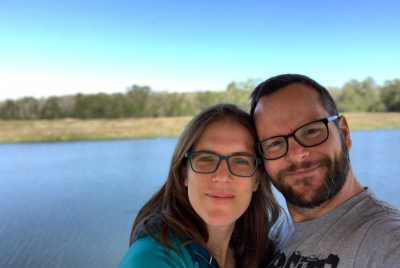
Yue, 31, of Richmond, British Columbia, is chief executive and co-founder of OHME! Foods with her husband, Han Yue. She ran it alongside a job in health informatics within British Columbia's provincial health system, and the couple left their salaried roles in October 2025.
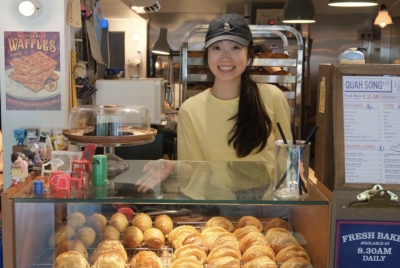
OHME! met its first paying customers at a farmers' market in July 2023. Revenue rose and fell with the weather, the size of the crowd, and whether the couple could attend that weekend. A partnership with the Metropolitan Hotel Vancouver followed.
In year two, the brand moved from roughly 50 speciality stores to about 120 independent grocers and booked around $350,000 (£262,000). A US account arrived without a pitch when a buyer at Urban Outfitters approached the couple through Instagram, ahead of any major Canadian grocer.
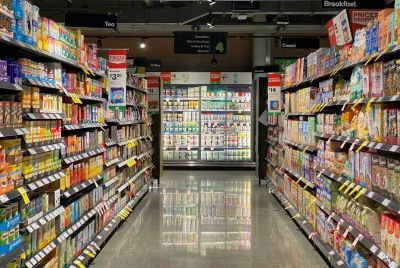
OHME! products are now stocked in more than 600 retail locations across Canada, including Whole Foods Market, Urban Fare, London Drugs, Well.ca, and Costco.ca. Yue has set a $2M (£1.5M) target for the next financial year.
The one process she said she would change is the sales channel. Market takings dictated revenue, and a missed weekend wiped out a day of trade. She would now treat every market as a customer acquisition channel as well as a stall, collecting email addresses, giving buyers a reason to reorder online, and tracking repeat purchases from day one.
Why Retail Shelves Squeezed the Side Hustle's Cash Flow
Retailers settle invoices weeks after delivery. Co-manufacturers and ingredient suppliers expect payment on receipt.
'You can be growing quickly on paper, appearing in more stores every month and still feel cash-constrained every day,' Yue said.
An early distributor order sold out faster than forecast. The couple had not secured enough finished inventory, raw ingredients or production time, leaving retail partners with shelf space the company could not fill. Forecasting is now a continuous operating process rather than an occasional guess, Yue said, with AI tools used to model demand scenarios.
'Selling out makes a great social media post; staying in stock builds the actual business,' she said.
The Packaging and Naming Mistakes That Cost OHME! Two Years
Packaging took nearly two years to settle, Yue said on The Story of a Brand podcast. The first version used clear acrylic boxes that were not airtight, leaving the fruit soft within an hour. Pouches replaced them, pushing shelf life to two or three years.
The name went too. Launched as OATME, the brand drew repeated questions about oats that its products do not contain and was rebranded OHME! within months.
Production costs at one facility later climbed far enough to push the company into a loss before it switched manufacturers. She has since urged founders to read the fine print in supply contracts and ask about worst-case terms.
Explaining the category carried its own cost. Few local shoppers understood freeze-drying in 2023, and some asked whether the bags needed keeping in the freezer. Yue said much of the first two years went on explaining how it differs from dehydration.
What 'Stop Protecting the Idea' Means for New Founders
Yue recommends spending 30 days building the cheapest workable version of a product, then putting it in front of 10 people who could realistically become customers.
She suggests asking whether they would pay and what might stop them from buying, rather than whether they like it.
Founders stay in the planning stage out of fear of failing, losing money or finding the idea weaker than hoped, she said. A small test produces real information without requiring anyone to quit a job, invest everything or have the whole business worked out.
'Compliments feel good, but buying behavior tells you much more,' she said.
© Copyright IBTimes 2025. All rights reserved.
- Recommended For You