Tina Peters' Pardon Explained After Trump Announcement: What Did She Do and Why It Doesn't Free Her
Legal experts say only Colorado can alter her nine-year state sentence

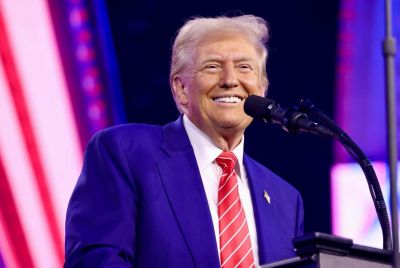
US President Donald Trump has announced that he is granting a pardon to Tina Peters, the former Colorado election official serving a lengthy state prison sentence for crimes linked to a 2020 voting-machine security breach. But despite the high-profile declaration, Peters remains behind bars, as a presidential pardon applies only to federal offences. The development has renewed nationwide searches for what Peters did and why Trump's intervention has no legal effect on her incarceration.
Trump made the announcement on his social media platform, prompting immediate political reaction and widespread confusion among supporters who expected the move to result in Peters' release. Legal analysts and Colorado officials clarified that a president cannot overturn a state conviction, placing the spotlight back on the case that made Peters one of the most controversial figures in post-election investigations.
Who Tina Peters Is and What She Was Convicted Of
Tina Peters, the former Mesa County Clerk and Recorder, gained national attention after publicly promoting false claims of widespread voter fraud in the 2020 presidential election. In 2021, she authorised or facilitated unauthorised access to secure voting equipment during a routine software update. External individuals were allowed into restricted areas, and confidential election data was copied and later circulated online.
The breach triggered a major investigation by Colorado authorities, who said the actions compromised election security and violated state law.
Following a jury trial in October 2024, Peters was convicted on multiple felony and misdemeanour counts, including conspiracy to influence a public servant, criminal impersonation and identity theft. She was sentenced to nine years in state prison, becoming one of the first election officials in the country to receive a prison term for conduct linked to 2020 election-denial activities.
Inside Trump's Pardon Announcement
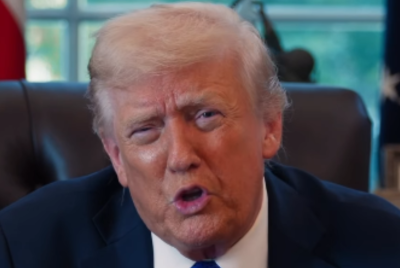
Trump's announcement on Truth Social praised Peters as a political ally and repeated claims that she had been targeted for raising concerns about the 2020 vote. Supporters of the president celebrated the move online, but legal experts quickly intervened, stating that the announcement did not carry the legal weight many assumed.
The pardon added a fresh layer to the already contentious political landscape, especially as Trump continued highlighting cases involving individuals aligned with efforts to challenge election procedures. The announcement also caused a noticeable rise in public searches focused on the details of Peters' case, particularly the question: 'What did she do?'
Why the Pardon Does Not Apply Under United States Law
Under the United States Constitution, a president can only pardon federal convictions. Peters' crimes were prosecuted in Colorado state court, which means her sentence falls exclusively under the authority of state officials. The governor of Colorado and relevant state clemency boards are the only entities with power to reduce, commute or pardon her sentence.
Legal scholars described Trump's announcement as symbolic but without legal effect. Colorado officials reinforced that the state's judicial process remains intact and unaffected by federal pardon decisions.
Earlier this year, a federal judge also rejected Peters' request for release during appeal, stating that federal courts have no authority to intervene in state criminal matters in this context.
Peters' Current Status and What Comes Next
Peters remains incarcerated in Colorado, serving her nine-year sentence. Court records indicate she has pursued various appeals, although none have resulted in changes to her custodial status. Any future relief must come through Colorado's legal system rather than federal action.
Trump's announcement has also reignited political debate over election integrity, presidential power and the limits of federal authority over state convictions. Observers note that Peters' case will likely continue drawing attention as discussions about 2020 election controversies persist.
© Copyright IBTimes 2025. All rights reserved.
- MOST POPULAR IN World