

Trump Accuses His Own Administration of Releasing 'Fake' Economic Figures Before Republicans Lost the Midterms
Revised figures showed stronger growth, but the dispute raised questions about political pressure on federal statistical agencies
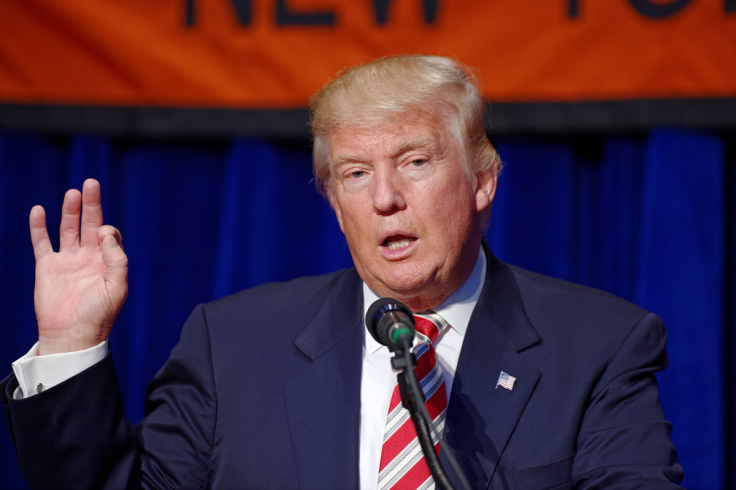
Donald Trump has accused officials in his own administration of releasing 'fake' economic figures before the US midterm elections, turning a statistical revision into a dispute over the independence of federal data agencies.
The president demanded an investigation after the Commerce Department's Bureau of Economic Analysis (BEA) raised its estimate of third-quarter growth from an annualised 3.4 per cent to 4.3 per cent. The second estimate was published on 25 November, 22 days after Republicans suffered heavy losses in the 3 November midterm elections.
Trump called the earlier figures 'FAKE' and described the revision as a 'massive and purposeful error.' He offered no evidence that statisticians had deliberately understated growth or that the timing was politically motivated. The first estimate had already shown economic expansion; the revision strengthened that assessment.
The Release Followed a Published Schedule
The BEA issued its advance estimate on 29 October, five days before the election, and its second estimate on 25 November. Both dates appeared on the agency's release calendar. A third estimate is scheduled for 23 December.
GDP figures are published in stages because complete source data are not immediately available. The advance estimate uses information available at the time, while later releases incorporate more complete data. Revisions are therefore a normal feature of the process, not evidence of misconduct by themselves.
The BEA attributed the 0.9-percentage-point upward adjustment primarily to stronger estimates for investment and consumer spending. Government spending also contributed to growth, while a fall in exports partly offset the gains.
The revision exceeded the 0.5-percentage-point average change between advance and second estimates from 1996 to 2025. That comparison shows the adjustment was larger than usual, but does not establish that the original estimate was deliberately manipulated.
Strong GDP Does Not Mean Every Household Is Better Off
The revised report put real GDP growth at a 4.3 per cent annual rate for the July-to-September quarter, up from 2.2 per cent in the second quarter. Consumer spending and investment were important contributors.
GDP measures economic output, not how evenly gains are shared or whether wages are keeping pace with household bills. Strong growth can therefore coexist with public frustration over affordability.
The BEA reported that the personal consumption expenditures price index rose at a 2.1 per cent annualised rate during the quarter, while its core measure, excluding food and energy, rose at 2.5 per cent. These quarterly rates are not year-on-year inflation figures.
The Accusation Revives Questions About Statistical Independence
The dispute follows Trump's 2025 dismissal of Bureau of Labor Statistics Commissioner Erika McEntarfer after a jobs report showed weaker employment growth and revisions to earlier figures. Trump accused her of manipulating the numbers but provided no evidence.
Federal economic data guide business investment, hiring, financial markets, and Federal Reserve decisions. Confidence depends on agencies being able to publish unfavourable as well as favourable results without political pressure.
Commerce Secretary Howard Lutnick welcomed the stronger GDP estimate as evidence of economic strength. His response contrasted with Trump's attack on the earlier release, leaving the administration presenting competing interpretations of the same figures.
The BEA is due to publish its third estimate on 23 December, incorporating additional information. Any further adjustment should be assessed against the agency's methodology and supporting data, not treated on its own as proof of falsification.
© Copyright IBTimes 2026. All rights reserved.