Canada Takes Trump's Trade War to the Bathroom: Americans Will Pay More for Toilet Paper and 700 Other Products
Why US shoppers could pay more after US-Canada trade talks collapse
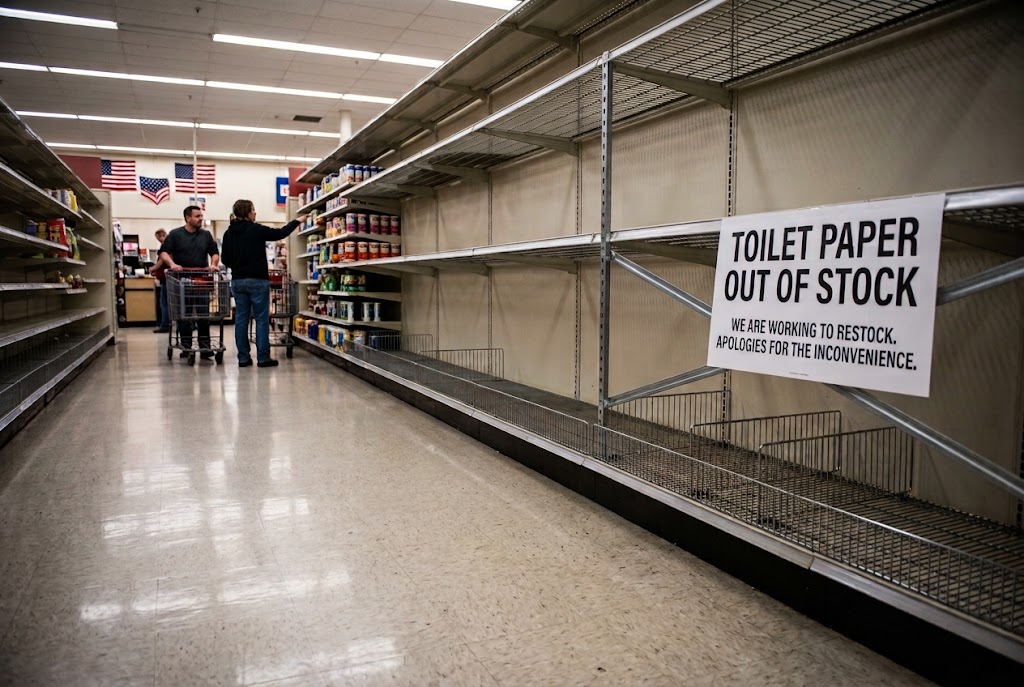
Toilet paper prices in the United States could rise as the trade dispute between Washington and Ottawa escalates, with new tariffs and a long-standing reliance on Canadian supply affecting the paper-goods market.
American shoppers already facing higher costs on groceries, cars, and appliances could see prices climb on another everyday item. Both the raw material used to make US toilet paper and a large share of the finished rolls sold in stores come from Canada. The dispute has built over months of stalled negotiations between the two governments.
Canada's counter-tariffs of 15%, 25%, and 50% on a range of American goods take effect at 12:01 a.m. on 8 September, according to Canada's Department of Finance. The measures cover C$27.6B (around $19.9B, or £14.6B) of US imports and target sectors that include steel, dairy, appliances, agricultural equipment, and pulp and paper.
The Canadian government described the move as a direct match to US action. Finance Minister François-Philippe Champagne said Canada would respond 'dollar for dollar, rate for rate' after the Trump administration imposed 50% tariffs on C$27.6B of Canadian goods from 22 August.
Prime Minister Mark Carney had promised retaliation after trade talks collapsed the previous weekend. The government also announced a C$7.5B (about $5.42B, or £4B) support package for small and medium-sized businesses affected by the dispute.
Toilet paper is one of many products caught in the dispute. Canada's list covers more than 700 American goods, while US tariffs affect hundreds of items imported from Canada, from paper products to liquor.
Carney said the negotiations broke down after the US added late demands, including provisions he said would have weakened Quebec's French-language protections. Trump denied that account in a series of social media posts.
How Canadian Pulp Reaches US Toilet Paper
Much US toilet paper is manufactured domestically, but the mills rely on Canadian raw material. Northern bleached softwood kraft pulp, known in the industry as NBSK, accounts for about 30% of standard US bathroom tissue and around half of a typical paper towel.
Brian McClay, of the pulp-market analysis firm TTOBMA, estimated that the US bought about 2M tons of Canadian NBSK last year. He said some US producers depend on pulp from specific Canadian mills, adding that 'they've been using it for 30 years and they will not change.'
The US also imported $328M (about £241M) of finished toilet paper from Canada in 2024, more than from any other country, according to the World Bank trade data. Retailers including Costco source much of their paper stock from Canada. Procter & Gamble, which owns Charmin, said last year that it would raise prices while earlier tariffs were in force.
Washington has also moved to increase duties on Canadian softwood lumber, which supplies the wood chips used in pulp production. McClay has said such measures could reduce output and add to costs across the tissue sector.
Why American Prices Are Exposed
The US holds about 4% of the world's population but accounts for more than 20% of global tissue use. The average American uses about 141 rolls of toilet paper a year, the highest rate of any country, ahead of Germany at 134.
A study by the Kiel Institute for the World Economy found that US importers and consumers absorb about 96% of the cost of the tariffs, rather than foreign exporters.
Warnings of Renewed Shortages
Jean-François Samray, chief executive of the Quebec Forest Industry Council, has said the US is far from self-sufficient in softwood and that new tariffs could prompt consumers to stockpile, as they did in 2020.
Shortages at the start of the pandemic left many shelves empty, and analysts have noted that the threat of tariffs alone can trigger the buying that causes them.
The tariffs are due to take effect on 8 September, and neither government has indicated it will step back. US shoppers could see the effect on the price of paper products in the weeks that follow.
© Copyright IBTimes 2026. All rights reserved.
- Recommended For You