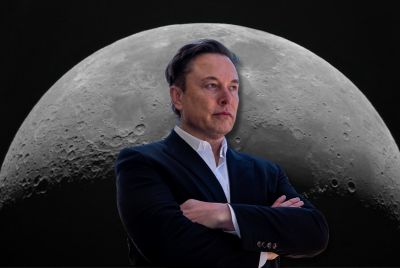
'Godfather of AI' Says xAI Can't Compete with OpenAI and Anthropic, Calls It a 'Failure'
AI pioneer Yann LeCun critiques xAI's viability and industry challenges
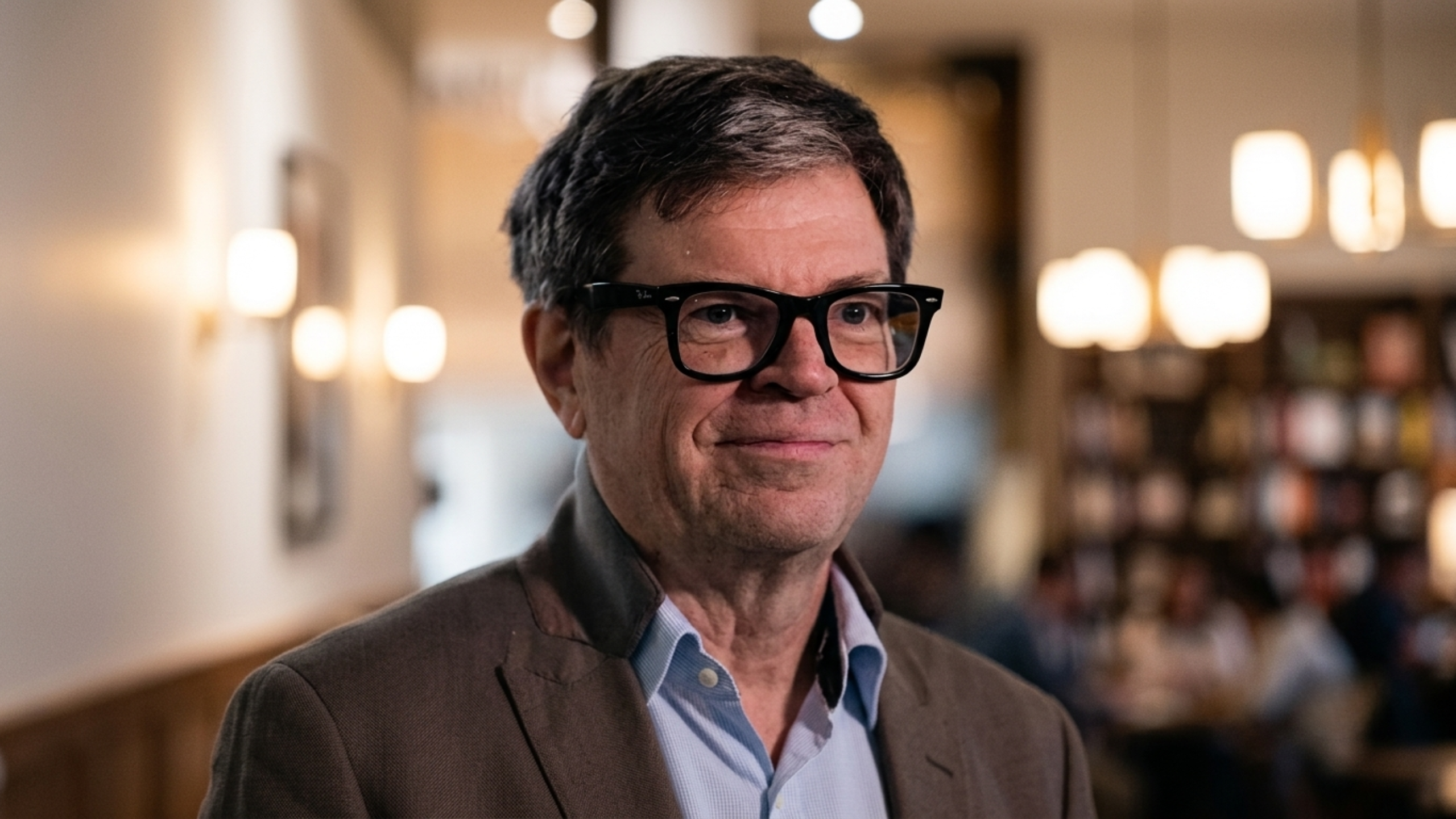
Yann LeCun, one of the scientists credited as a 'godfather' of artificial intelligence, has called Elon Musk's xAI 'kind of a failure' and said it will not be able to compete with OpenAI or Anthropic.
The French-American researcher, a 2018 Turing Award winner and former chief AI scientist at Meta, made the comments to CNBC. His remarks reignited a long-running feud with Musk and raised questions about the valuations of the sector's biggest companies.
They come days after SpaceX, which now owns xAI, completed the largest stock-market listing on record, with OpenAI and Anthropic also preparing public debuts.
A Feud Reignites as Founders Exit
LeCun linked his assessment to staffing. 'xAI is kind of a failure, frankly,' he told CNBC, pointing to the departure of nearly all of the company's founding team. xAI's Grok chatbot competes with OpenAI's ChatGPT and Anthropic's Claude.
All 11 of the co-founders who launched xAI with Musk in 2023 have since left, the last of them, Ross Nordeen, departing in March, according to TechCrunch. Musk has said the company 'was not built right' the first time and is being 'rebuilt from the foundations up.'
LeCun said that exodus has left Musk struggling to recruit. 'Elon is now in a position that is very, very difficult for him to kind of hire top people in AI,' he said, blaming the way the entrepreneur had treated former staff. The two men have feuded publicly since at least 2024.
Renting Out Colossus to Recoup Costs
LeCun also questioned the economics of Musk's infrastructure spending. xAI's Colossus data centres in Memphis, Tennessee lease spare computing power to rivals, with both Anthropic and Google among the tenants. Google alone is paying around £686 million ($920 million) a month for capacity.
'He's got this huge infrastructure, which he rents to other people, because that's the only way he can recoup the costs,' LeCun said. 'I'm not very positive about the prospect of xAI.'
xAI's £4.8B Operating Loss
The scale of that spending was set out last month when SpaceX, which absorbed xAI in a February merger valuing the combined group at £933 billion ($1.25 trillion), filed for its stock-market debut. The AI arm lost £4.8 billion ($6.4 billion) from operations in 2025 on revenue of £2.4 billion ($3.2 billion), according to TechCrunch.
The losses have grown. The unit lost £1.2 billion ($1.56 billion) in 2024, then a further £1.9 billion ($2.5 billion) in the first quarter of 2026. Capital spending on the division reached £5.7 billion ($7.7 billion) over those three months, an annualised run rate above £23 billion ($30 billion).
SpaceX listed on Nasdaq on 12 June at $135 a share, raising £56 billion ($75 billion) at a £1.31 trillion ($1.75 trillion) valuation, ahead of Saudi Aramco's £22 billion ($29 billion) listing in 2019 as the largest on record.
A 'Bubble Explosion' Warning
LeCun also raised concerns about the wider industry, arguing that the price of AI services is rising while the cost of running them falls too slowly, leaving investors to cover the gap.
'All of those companies are losing money, and basically, the use for most people is funded by the investors,' he said, adding that the situation could not continue and that labs face a 'big bubble explosion' unless they raise prices or cut costs. OpenAI chief executive Sam Altman has also said businesses are scrutinising their AI spending more closely.
The companies LeCun rates more highly are growing fast. Anthropic, the maker of Claude, is expected to report a 130% revenue jump to £8.1 billion ($10.9 billion) in the second quarter and its first operating profit, according to TechCrunch.
LeCun runs a competing venture. In March, his start-up AMI Labs raised about £746 million ($1 billion) on the view that the large language models sold by OpenAI, Anthropic, and xAI are a dead end. It is instead developing 'world models'. 'I personally don't think we're going to have generalized reliable agentic systems until they're based on world models,' he told CNBC.
© Copyright IBTimes 2025. All rights reserved.
- Recommended For You