

Apple's New Touchscreen MacBook Pro Draws Criticism Over Reach, Screen Wobble and Limited Daily Value
Apple's new MacBook Pro touchscreen works well in early hands-on use, but MKBHD says it has not changed the way he works on a laptop
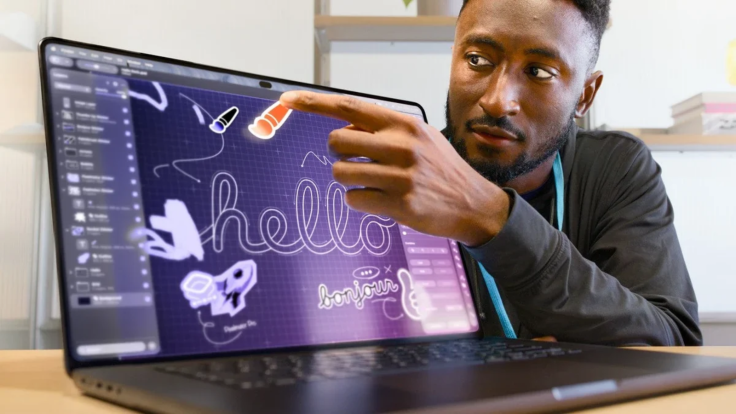
Apple's first touchscreen MacBook Pro has been branded 'functional rather than transformative' by top tech reviewer Marques Brownlee, who says the new OLED display responds well to touch but has not changed the way he actually uses his laptop.
In an early hands-on with the updated MacBook Pro, Brownlee found the new screen works as advertised yet remains unconvinced it offers meaningful day‑to‑day benefits for desktop-style work.
The new MacBook Pro touchscreen is emerging as the most contentious element of Apple's latest laptop. Brownlee, known online as MKBHD, said he likes the machine overall, particularly its OLED display and lighter body, but is not persuaded to adopt touch as a regular input method.
Apple's new OLED MacBook Pro has generated interest because it combines a brighter panel with a redesigned, lighter chassis. Brownlee's assessment suggests the hardware may impress, even where the touchscreen does not.
Why the Touchscreen Still Feels Awkward
Brownlee reported that the touchscreen on the new MacBook Pro was responsive during his hands-on time with the device.
He raised concerns about ergonomics, stating that reaching towards a vertical laptop display can feel unnatural during extended use, a criticism that has also been made of other clamshell laptops with touchscreens.
Brownlee also noted movement in the display when using touch input, indicating that screen stability may be an issue because the same panel is used for viewing.
On the software side, Brownlee observed that macOS remains primarily designed for a pointer, keyboard and trackpad. In his view, touch input adds an extra option but does not replace those controls in a typical desktop-style workflow.
What Brownlee Likes About the New MacBook Pro
Brownlee's comments on the new MacBook Pro focus more on its display and design than on its touchscreen. He said he is particularly interested in the OLED picture quality and the lighter body.
According to Brownlee, the improved display affects activities such as watching films, design work and reading, while the reduced weight makes the laptop easier to carry.
Brownlee's remarks indicate that he does not plan to use the touchscreen regularly, but that this does not affect his overall view of the product.
The Recurring MacBook Pro Touchscreen Question
Apple has not previously offered a touchscreen on its MacBook laptops, while several Windows laptop makers have made touch a standard feature on many models.
The new OLED MacBook Pro is the first Mac laptop to include a touchscreen. Early hands-on reactions, including Brownlee's, describe the feature as functional but not significantly altering existing workflows.
Brownlee reports that he sees potential in the hardware but has not found sufficient reason to change how he uses the device.
IBTimes UK cannot independently verify Brownlee's impressions of the new MacBook Pro and is reporting them as the views of an individual reviewer pending further hands-on reports.
It is not yet clear how much importance buyers will place on the addition of touch or how widely the feature will be used in day-to-day work once the laptop becomes more widely available.
© Copyright IBTimes 2026. All rights reserved.