

Which African Safari Destination Should You Visit?
Compare the leading safari destinations by wildlife, landscapes, trekking opportunities, travel style, season and cost
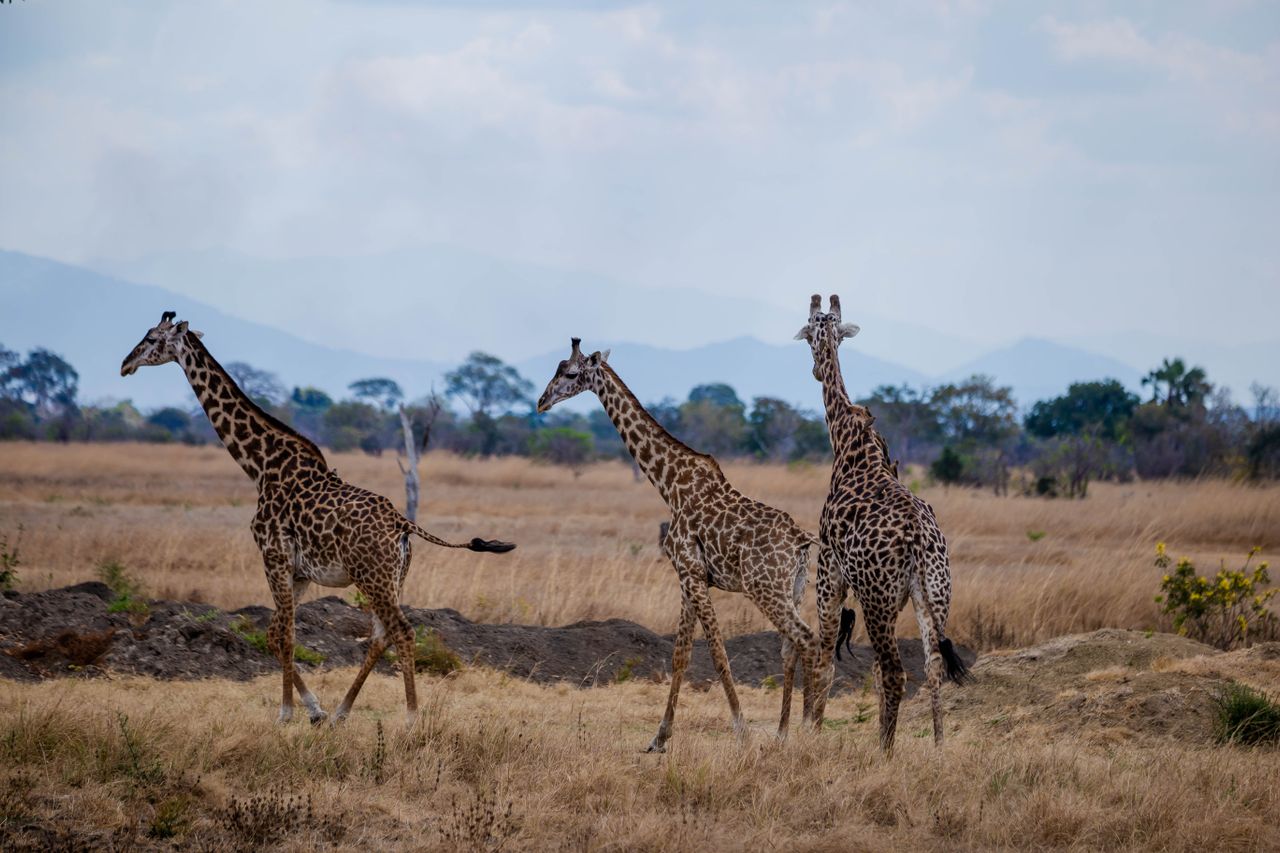
Choosing an African safari is not as simple as picking a country and booking a trip. Each destination offers a different way to experience the continent's wildlife, landscapes, and culture.
If you're comparing African safari tours, you'll find everything from Tanzania and Kenya's vast plains to Uganda and Rwanda's famous gorilla trekking, Namibia's dramatic deserts, and Botswana's remote waterways.
So, which one is right for you? The answer depends on what you want to see, how you want to travel, and the kind of safari experience you're looking for.
Here's how the leading destinations compare.
Kenya: Best for Iconic Wildlife and the Maasai Mara
Kenya is a strong choice for a classic African safari experience.
The Maasai Mara National Reserve is famous for abundant wildlife, including the Big Five and large predator populations like lions and cheetahs. It also plays a major role in the Great Migration, when vast herds move through the region.
Beyond wildlife, you can learn about Maasai culture through experiences with local communities. Kenya also has well-developed safari infrastructure, making trip planning easier. For a more varied holiday, combine a safari with time on Kenya's beautiful coast.
Choose Kenya if: You want iconic scenery, abundant wildlife, and an established safari experience.
Tanzania: Best for the Great Migration and Classic Safari
Tanzania is an excellent choice for a classic African safari, especially if wildlife is your top priority. Serengeti National Park is renowned for the Great Migration, while the Ngorongoro Crater offers exceptional opportunities to see the Big Five in a compact area. Across the country, large wildlife concentrations make game drives especially rewarding.
Tanzania also works well for a combined holiday, letting you follow your safari with relaxing days on Zanzibar's beaches. With its iconic landscapes and abundant wildlife, it is especially well suited to first-time safari travellers.
Choose Tanzania if: You want to see major wildlife spectacles and experience a classic East African safari.
Rwanda: Best for Gorilla Trekking and a More Refined Experience
Rwanda is an excellent choice if mountain gorilla trekking is at the top of your safari wishlist.
Volcanoes National Park offers guided encounters with mountain gorillas, alongside opportunities to spot golden monkeys in their natural habitat. With Kigali serving as an accessible starting point, Rwanda's compact geography makes it easier to plan a shorter trip without extensive travel between destinations.
The country also offers high-end lodges and well-organised wildlife experiences, appealing to travellers who value comfort and personalised service. While gorilla trekking requires careful planning, Rwanda delivers a memorable, premium wildlife adventure.
Choose Rwanda if: Gorilla trekking is your priority and you prefer a polished, relatively compact trip.
Botswana: Best for Luxury and Exclusive Safaris
Botswana is an excellent choice if you want a more private, immersive safari experience. The Okavango Delta is famous for its waterways, where you can explore by boat or traditional mokoro canoe while spotting wildlife.
Chobe National Park is another highlight, known for its large elephant populations and excellent game viewing. Depending on the location and season, guided walking safaris offer another way to experience the wilderness.
Botswana also stands out for its luxury camps, remote lodges, and personalized service, although these experiences often come at a higher price than conventional safaris.
Choose Botswana if: You want luxury, exceptional wildlife, and fewer crowds.
Namibia: Best for Landscapes and Desert Wildlife
Namibia offers a different safari experience from East Africa's classic savannahs, combining dramatic desert scenery with unique wildlife encounters. Etosha National Park is known for elephants, lions, and rhinos, while Sossusvlei attracts visitors with its towering red dunes in the Namib Desert.
The remote Skeleton Coast adds rugged landscapes and excellent photography opportunities. Namibia is also ideal for self-drive adventures, allowing you to explore national parks and vast open spaces at your own pace. In some regions, you may spot desert-adapted elephants and other wildlife suited to arid conditions.
Choose Namibia if: You value landscapes, road trips, photography, and unusual desert environments as much as wildlife.
Uganda: Best for Gorilla Trekking and Off-the-Beaten-Path Adventures
Uganda is ideal if you want a safari that goes beyond traditional game drives. Bwindi Impenetrable National Park is renowned for mountain gorilla trekking, offering the chance to observe these endangered primates in their natural habitat.
At Kibale National Park, you can track chimpanzees, while Queen Elizabeth National Park offers classic game drives to spot lions, elephants, and other wildlife. This combination makes Uganda particularly appealing to travellers seeking varied experiences in one trip.
Compared with Kenya and Tanzania, its safari scene feels less conventional, with a stronger focus on primates and forest adventures.
Choose Uganda if: You want to see mountain gorillas and combine wildlife viewing with primate trekking.
When Is the Best Time to Go on an African Safari?
The best time for an African safari depends on your destination and the experience you want. Here are the key things to consider:
- Dry season: In many savannah regions, animals gather around water sources, and thinner vegetation makes wildlife easier to spot.
- Wet season: Expect greener landscapes, migratory birds, and, in some areas, newborn animals.
- Great Migration: Plan around the herds' seasonal movements in Tanzania's Serengeti and Kenya's Maasai Mara.
- Gorilla trekking: Uganda and Rwanda offer year-round trekking, though rain can make forest trails slippery.
- Namibia: The cooler, drier months generally offer better wildlife-viewing conditions.
- Botswana: Seasonal water levels in the Okavango Delta influence boat safaris and wildlife experiences.
How Much Does an African Safari Cost?
The cost of an African safari varies widely depending on how you travel, where you stay, and how long you go. Rather than focusing on a single price, consider these factors:
- Safari style: Budget trips often use simpler accommodation and shared vehicles, while mid-range and luxury safaris offer upgraded lodges, private camps, and more personalised service.
- Park fees: National park and conservation fees can significantly increase the overall cost, especially for longer stays.
- Accommodation: Camps and lodges range from basic tented stays to high-end properties with premium facilities and services.
- Game drives: Shared game drives are generally more affordable than private vehicles and guides.
- Flights and transfers: Internal flights, airport transfers, and park transfers can increase the total, especially on multi-destination itineraries.
- Gorilla permits: Uganda and Rwanda require trekking permits, which can be a substantial part of the trip's budget.
- Season: Prices often change between peak and quieter travel periods.
- Trip length: A longer safari naturally costs more, although some expenses such as international flights are spread across more days.
Conclusion
The best African safari destination depends on your priorities, whether that's the Great Migration, gorilla trekking, desert landscapes, or luxury wildlife experiences. Consider your budget, travel dates, and interests to choose the destination that suits you best.
© Copyright IBTimes 2026. All rights reserved.