There Is No More Retirement: 77-Year-Old Loses $177,000 to Investment Scam
Tom believes closer scrutiny of his transactions could have prevented his scam involvement, as early warning signs were missed


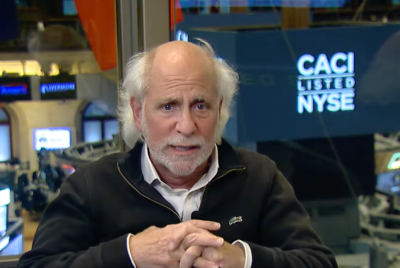
For decades, Tom worked, saved, and planned for a comfortable retirement. Then, in just six months, it all disappeared. The 77-year-old California retiree lost $177,000 after falling victim to what he believed was a legitimate investment opportunity. The loss has left him facing debt and searching for work during what should have been his retirement years. 'I've got to find work now to compensate,' Tom told NBC 7 Responds. 'I mean, there is no more retirement.'
His experience has sparked questions about the role financial institutions can play in identifying unusual activity and protecting customers from increasingly sophisticated scams.
A Convincing Investment Opportunity
Tom said the scheme appeared genuine from the beginning. He was already accustomed to conducting legitimate business online with people in other countries, including India and Poland. Because of that experience, the investment proposal did not immediately raise concerns. 'I do legitimate business online with India and Poland,' he said. 'So she must have found my trail somehow online.' Tom said he researched the opportunity and initially believed it was real. As he continued sending money, he became increasingly committed to the investment.
The more he invested, the harder it became to walk away. 'If you pulled out now, you'd lose all that you have invested,' he said, describing the pressure he felt at the time. Only later did he realise he had been deceived.
Years of Savings Gone
The financial impact was immediate and devastating. 'It took years to get to where I was. And to think, in six months it's all gone,' Tom said. He asked NBC 7 Responds not to reveal his identity because he felt embarrassed by what had happened.
The emotional toll has been significant. 'I'm praying for salvation and wondering, God, what have I done to cause all this much damage?' he said. For Tom, the loss represents far more than a number on a bank statement. It has altered the future he spent decades preparing for.
Questions About Bank Safeguards
Looking back, Tom believes additional scrutiny of his transactions might have prompted him to reconsider the investment. Before the scam, his monthly banking activity was relatively modest. 'I'm talking maybe $2,000 to $3,000 from income, from earnings,' he said. That changed dramatically once he became involved in the scheme. 'That jumped instantly to $30,000 to $40,000 to $60,000 over the course of six months.'
Tom believes those unusual transactions should have triggered stronger intervention. Chase declined to discuss his specific case but provided a statement to NBC 7 Responds. 'Our branch staff are trained to detect and assist customers who are potentially being scammed. They are there to help and have customers' best interest at heart.' Tom acknowledged that a teller did raise concerns early in the process. 'Sort of in passing,' he said. 'And I said, it's for a business that I'm engaged in. And this is a payment for supplies.' The conversation ended there. 'She just more or less said, "Oh, OK." And that was that, once.'
Different Approaches to Fraud Prevention
Tom said his partner encountered a very different experience when she attempted to send him money through San Diego County Credit Union to continue funding the investment. According to Tom, the branch manager spent considerable time questioning her about the transfer. 'The branch manager called her in the office for a long talk and asked her, "What's this about? Why? Are you sure? Tell us more."'
Nathan Schmidt of San Diego County Credit Union said such conversations are sometimes necessary because of the scale of online fraud. 'Our customers sometimes feel that they're being interrogated,' Schmidt said. 'It's my money. What are you doing? I can do whatever I want with that.' The credit union uses various tools, including a detailed questionnaire, to help identify potentially fraudulent transactions before money is sent. 'What people don't realise is once the wire is gone, they have sent that money, and it's very difficult to get it back,' Schmidt said. Ironically, Tom admitted that the additional scrutiny frustrated both him and his partner at the time.
The Role of Technology
As scams become more sophisticated, some financial institutions are increasingly using technology to identify suspicious behaviour. Sharel Barshishat, president of BioCatch, said the company's technology analyses thousands of behavioural indicators during online banking sessions. 'BioCatch in real time collects over 3,000 distinct behavioural parameters per session,' he said. According to Barshishat, those signals can help determine whether a customer may be acting under the influence of a scammer.
When suspicious behaviour is detected, some banks may issue tailored warnings, delay transactions or introduce cooling-off periods before payments are completed. 'The bank can say, "Nope, we know that this is bad. We're going to stop this payment,"' Barshishat said. He added that carefully targeted interventions can help protect customers without unnecessarily restricting access to their funds.
A Costly Lesson
California law requires financial institutions to notify Adult Protective Services when they suspect a senior citizen is being financially exploited. However, proposals that would have required banks to take additional action have not become law, leaving individual institutions to determine their own fraud-prevention policies.
For Tom, those policy debates are deeply personal. The retirement he spent years building disappeared in a matter of months. Now, instead of enjoying financial security, he is looking for a way forward after losing his life savings to a scam he once believed was genuine. 'I've got to find work now to compensate,' he said. 'There is no more retirement.'
© Copyright IBTimes 2025. All rights reserved.
- Recommended For You