UK Prison Laundries Converted Into Cells as Prison Overcrowding Crisis Leaves Jails at 98% Capacity
UK prisons are converting laundries, offices and storerooms into accommodation as male jails reach 98 per cent capacity
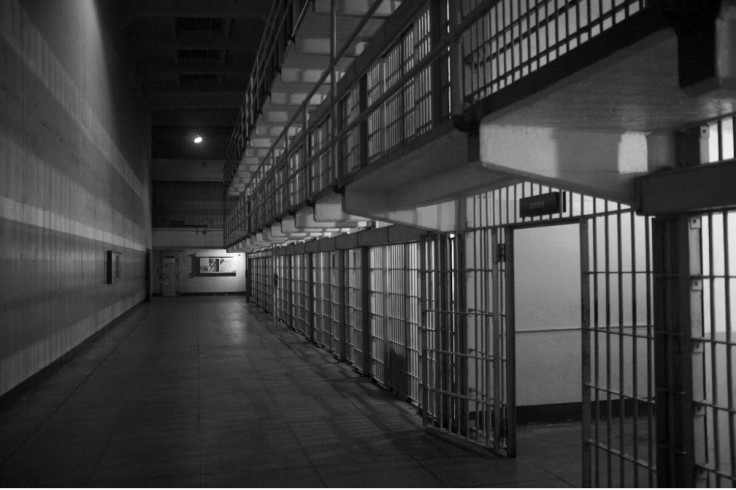
Prison laundries are being converted into accommodation as the UK government struggles to find space for inmates, with male prisons now operating at 98 per cent of capacity, junior justice minister Alex Davies-Jones said on Monday, August 31.
The move is part of a £110 million effort announced by Justice Secretary Alex Norris to turn existing areas such as offices and storerooms into additional prison accommodation.
The latest measures underline how little room is left across the prison estate despite thousands of prisoners being released early. Davies-Jones said the available space was now 'very tight', leaving fewer than 1,700 spare places across male prisons.
The Government is therefore looking inside existing jails for space that can be converted rather than waiting for new prisons to come online.
Prison Laundries Become Part of the Search for Space
For context, the overcrowding problem has been building despite efforts to reduce the prison population. The Government originally planned to release around 6,000 prisoners early, but that figure has now fallen to 4,500 after further exclusions were announced.
Andy Burnham announced on Sunday that another 500 serious offenders would be excluded from the next round of early releases, due to begin in October. They include the killers of PC Andrew Harper. Around 1,000 rapists, child sex offenders and groomers had already been excluded from the scheme.
That leaves ministers facing an awkward calculation. Some of the prisoners considered too serious to release early still need somewhere to be held, while the prison building programme cannot provide immediate relief.
The next new prison, HMP Welland Oaks in Leicestershire, is expected to provide 1,700 places but is not scheduled to open until 2029. A further 1,700-place prison in Lancashire has now moved closer to construction, but it is not expected to open until 2031.
In the meantime, laundries, offices and storerooms are being considered as potential accommodation.
Former prison governor and government adviser Ian Acheson said the measures should have started earlier. He argued that the Government needed an independent assessment of available prison space, alongside emergency construction, refurbishment and recruitment.
Acheson also claimed that at least eight prisons had wings that remained mothballed because there were not enough staff to operate them. He said there were 6,500 people working in non-operational roles at Prison Service headquarters, arguing that some trained prison officers and governors should be redeployed.
The figures and claims cited by Acheson were reported by The Telegraph and have not been independently detailed in the source provided.
UK Prison Capacity Faces a Staffing Problem Too
Finding physical space is only part of the problem.
The Prison Officers' Association has warned that adding cells does not automatically mean adding usable prison capacity.
Mark Fairhurst, chairman of the union, said, 'It's OK adding additional space but you also need additional staff. Where are the staff coming from?'
The concern is particularly relevant at HMP Millsike in North Yorkshire, a £400 million prison that has already been affected by recruitment problems. The Telegraph reported earlier this month that around 350 cells were being kept empty because there were not enough officers to open them safely.
The prison has an operational capacity of around 1,100 inmates, despite having a planned capacity of nearly 1,500. That gap illustrates the distinction between having cells on paper and having enough staff to operate them securely.
Fairhurst said the union would not allow additional capacity to exceed a prison's operational capacity, which refers to the number of prisoners a jail can safely manage while maintaining control, security and a proper daily routine.
The Government says it is also working on a longer-term expansion of the prison estate. Norris said ministers had delivered more than 3,200 prison places in two years and had pledged 14,000 new places by 2031. He also confirmed funding for land purchases to create a pipeline of potential sites for future prisons.
The pressure has also revived questions around Imprisonment for Public Protection sentences. Burnham has proposed scrapping IPP sentences as part of plans that could free up hundreds of prison places. More than 2,200 offenders remain on such sentences, which were used for people considered to pose a continuing risk to the public.
However, a Labour justice minister previously warned that some approaches to ending IPP sentences could result in offenders being released without probation supervision.
The Conservatives have also challenged the Government's early-release exclusions, arguing that some serious sexual and violent offenders could still qualify. The Ministry of Justice disputes that interpretation, saying child rape and almost all relevant sexual offences would fall under existing exclusions.
For now, the immediate solution is increasingly being found within the prison walls themselves, with laundries and other non-cell spaces being considered as ministers try to keep the system operating while waiting for new prisons to arrive.
© Copyright IBTimes 2026. All rights reserved.
- Recommended For You