

Labour Insists Paid Influencers Must Follow Ad Rules as Andy Burnham Faces Questions Over His No. 10 TikTok Guests
Downing Street's influencer outreach raises questions over transparency and accountability
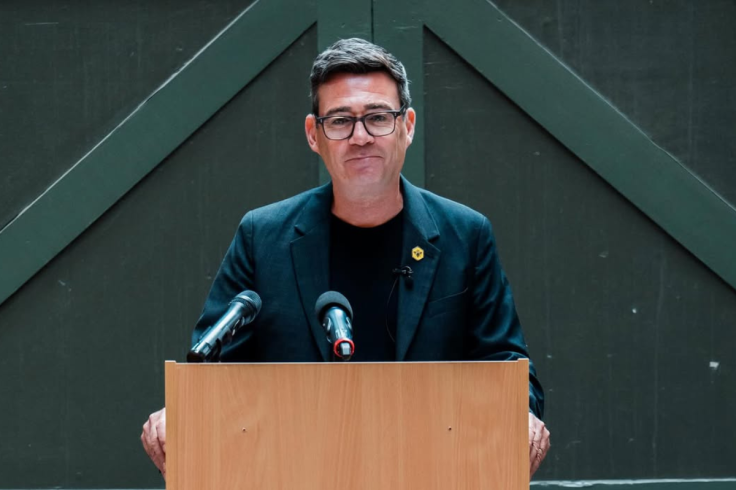
A Labour MP has said influencers paid to produce and share content must follow advertising rules, as Andy Burnham faces questions over the creators invited to his Downing Street reception.
The clarification was set out in a parliamentary response by the Department for Education, following questions about payments to influencers. It comes amid controversy over videos filmed by attendees at Burnham's reception, including explicit footage posted outside No 10.
Downing Street has criticised the footage but denied paying creators to secure favourable coverage of the government.
Labour Clarifies Rules for Paid Influencers
In a parliamentary answer published on 19 November, Labour MP Paul Waugh said: 'Where creators are paid to produce and share content, they are required to follow advertising rules.'
The response followed a question from Conservative MP Charlie Dewhirst about disclosure requirements for 57 influencers.
An earlier parliamentary answer confirmed that the Department for Education paid 57 individual influencers and content creators during 2025–26. Waugh's subsequent response distinguished between commissioned promotional work, unpaid collaborations and independent discussions of government policy.
Neither answer identified those creators as guests at Burnham's Downing Street reception or established that the advertising clarification was prompted by the controversy.
Department Spent £589,671 on Influencer Marketing
The paid creators included Oti Mabuse and Billie Shepherd, who supported the Best Start in Life childcare campaign. Other departmental campaigns covered Skills for Life, Early Years Careers, Childcare Choices, Get Into Teaching and further education teacher recruitment.
A separate parliamentary answer published on 10 September put the department's influencer marketing expenditure for 2025–26 at $771,816 (about £589,671). The figure included influencer fees, production costs and paid media.
The department said it could not provide a separate total for influencer and agency fees because some engagements were recorded as part of wider campaign delivery packages.
The expenditure therefore covered more than payments to individual creators and cannot be treated as evidence of spending on Burnham's reception.
What Happened at Burnham's Downing Street Reception
Burnham hosted around 60 influencers earlier this month as part of efforts to engage younger voters through social media. Downing Street defended the event, saying creators could reach people who do not get their news from traditional media.
Some attendees told the BBC they surrendered their personal devices and were given phones and cameras to record footage, which was sent to them afterwards. A government spokesperson declined to discuss security arrangements or confirm whether footage recorded on government devices had been reviewed.
The controversy centred on a video posted by Max Balegde, whose real name is Max Trobe, showing him mouthing explicit song lyrics outside No 10's black front door.
When I was a new MP, we had to hand in our phones as we stepped into 10 Downing St, so it’s jarring to see a Labour PM turn it into a bit of a joke.
— Kemi Badenoch (@KemiBadenoch) November 23, 2026
Hugh Grant could dance through No 10 in Love Actually because he was pretending to be Prime Minister. Andy Burnham actually IS… https://t.co/iaPscshQ9v
Another attendee, Luke Hamnett, recreated Hugh Grant's prime ministerial dance from Love Actually inside Downing Street. His video ended when he encountered Burnham, who was preparing to sit down for an interview with him.
Minister Criticises Explicit Video but Defends Engagement
Safeguarding minister Satvir Kaur criticised the language used in Balegde's video, saying she would neither use it herself nor want to hear it.
However, she defended Burnham's decision to engage with social media creators, arguing that politicians should communicate through different media channels.
Badenoch Demands Disclosure of Payments
Conservative leader Kemi Badenoch described the footage as a 'disgrace' and demanded disclosure of 'every single penny he has paid to these people to promote him'.
She accused Burnham of treating Downing Street as his 'personal studio'.
Kemi Badenoch absolutely tears into Andy Burnham for allowing TikTokers to sing degrading and sexist songs outside the No.10 door.
— Noa Hoffman (@hoffman_noa) November 24, 2026
She says: “I've been pretty shocked, actually, at what No. 10 has been doing with these influencers. There was one man yesterday who made the most… pic.twitter.com/IiD9uggv3a
The prime minister's official spokesperson rejected suggestions that the government was 'buying coverage', saying it was 'absolutely not the case'. They also said creators were not expected to publish content or portray the government positively and described Balegde's video as 'clearly not acceptable'.
However, officials repeatedly declined to confirm whether anyone had asked Balegde to remove the footage, saying: 'Content creators are obviously responsible for what they choose to post.'
© Copyright IBTimes 2026. All rights reserved.