

Protected Bats and Newts Could Complicate Piddington Asylum Centre Plans as Badenoch Meets Fearful Locals
The proposed former Ministry of Defence site near Piddington could house about 1,256 male asylum seekers, while residents campaign against the plans
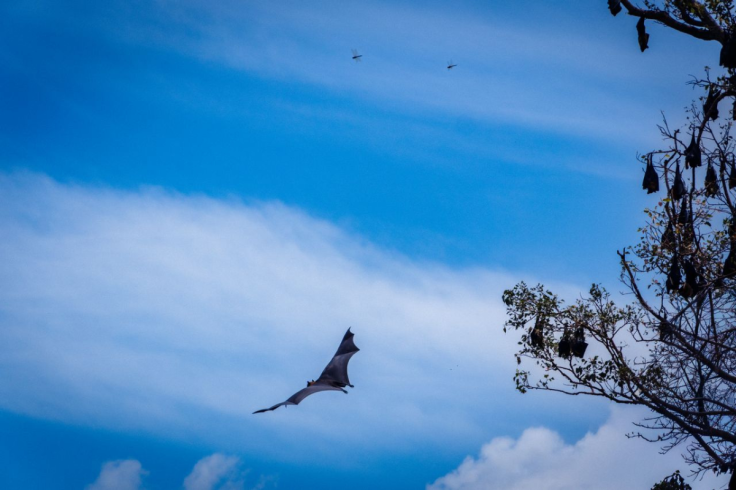
Protected bats and newts could create a new obstacle for the government's controversial asylum accommodation plans in the small village of Piddington in Oxfordshire, as Conservative leader Kemi Badenoch met with women who fear for their safety. The proposed site at Piddington has already sparked fierce debate, and ecological findings could now add another layer of complexity.
The project centres on a proposed asylum accommodation site, which would be built at the former Ministry of Defence (MoD) facility near the small village, around seven kilometres (4.5 miles) from Bicester. The facility could accommodate around 1,256 male asylum seekers.
Protected Wildlife Could Complicate Plans
The plans have triggered widespread opposition among residents, with women releasing a video pleading against the proposal. They said: 'We are worried. We will be outnumbered. Ten to one. 1,256 men. To over 3,000 and could rise again.' Piddington is a village of around 350 people, 133 of whom are women, according to figures cited by campaigners.
🇬🇧 Women in Piddington, an Oxfordshire village of 350 people, have released a video asking female MPs to speak out against a Home Office plan to house 1,256 single men at a former military site next door.
— Europa.com (@europa) September 10, 2026
The 133 women there fear being outnumbered.
Follow: @europa…
But the project has hit a potential snag because the area is home to rare and protected wildlife. Reports identify barbastelle bats, Natterer's bats and brown long-eared bats among the species found in the area.
Dr Claire Brenner, a biologist, told The Telegraph: 'This month I recorded barbastelle, one of Britain's rarest bats, along with Natterer's and brown long-eared bats right by the MoD site's fence line. All three are sensitive to light and noise.'
Under UK law, ecological assessments and licences from Natural England are required if proposed works risk affecting protected species. Other wildlife reportedly found in the area includes great crested newts, otters and black hairstreak butterflies.
Badenoch and Morrisey Hear Concerns
'We are continuing to work through the relevant environmental assessments and planning processes,' a Home Office spokesperson said. 'Any developments would be designed to avoid adverse impacts on the environment. Where licences are required before relevant works can take place, these would be obtained in line with our legal obligations.'
Some reports suggest that development may not begin until 2028, although this timeline needs confirmation. For the women of Piddington, delay is not enough. They would prefer the project to be scrapped altogether. They met with Conservative leader Kemi Badenoch and Shadow Minister for Women and Equalities Joy Morrissey.
Badenoch and Morrissey first travelled to Piddington on 22 September 2026, and some Piddington women then went to London on Wednesday, 14 October 2026. 'I invited women from Piddington to Parliament because Labour isn't listening to them,' said Badenoch.
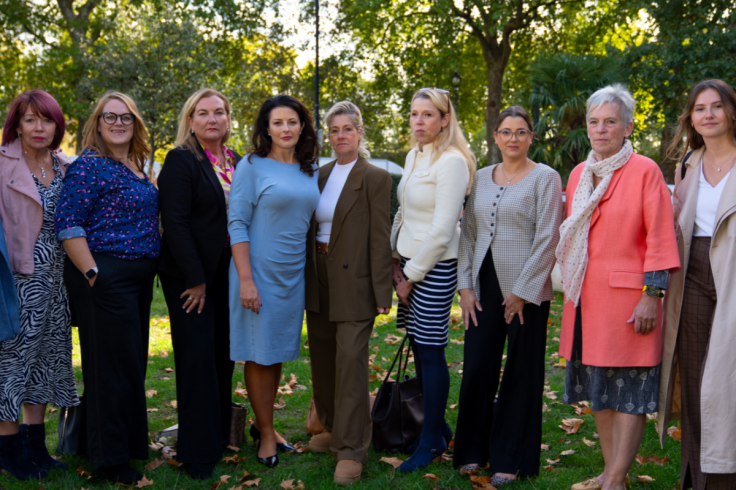
'Labour Is Not Listening'
Badenoch added: 'Women should feel safe in their communities. Conservatives will leave the ECHR (European Convention on Human Rights) so we can deport illegal migrants instead of forcing small villages to bear the consequences.'
Prime Minister Andy Burnham earlier said that wealthier areas should also host asylum seekers. 'We cannot have a situation where it's only the poorest communities in the country that receive all of the dispersal of refugees and asylum seekers,' he told a publication in August 2026, following backlash from Piddington residents over the planned asylum accommodation site.
I invited women from Piddington to Parliament because Labour isn’t listening to them.
— Kemi Badenoch (@KemiBadenoch) October 14, 2026
Their village of 300 faces over 1,200 male illegal migrants on its doorstep. Meanwhile, Labour is handing out leaflets explaining to these men that rape is a crime. You couldn’t make it up.… pic.twitter.com/Oehuzy8vCG
We’ve all heard the horrific stories of women and girls being raped and abused by illegal migrants across the UK.
— Joy Morrissey MP (@joymorrissey) October 14, 2026
Yet too many politicians have been too afraid to speak out.
Today I spoke out.
The women of Piddington, Linton On Ouse, Barnham, Crowborough and other communities… pic.twitter.com/0XcVi4be8j
'Labour wouldn't meet the women of Piddington. So the Conservatives brought the women of Piddington to Westminster,' Morrissey said. Residents had invited Burnham to the village, but he did not visit, reportedly citing a scheduling conflict.
© Copyright IBTimes 2026. All rights reserved.