

AI Stocks Crash Worldwide as Democrats' Midterm Wins Spark Trillion‑Dollar Tech Market Meltdown
The sell-off erased an estimated $2.5 trillion from Nasdaq-listed companies and spread from Wall Street to Asian markets, intensifying scrutiny of AI spending and data-centre expansion.
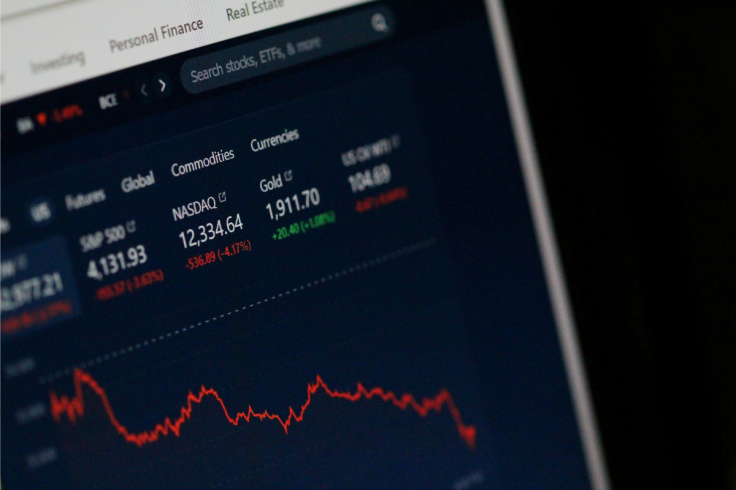
Technology and semiconductor shares around the world plunged on Thursday, wiping an estimated $2.5 trillion (about £2.0 trillion) off the combined market value of companies listed on the Nasdaq Composite in a single session. The figure reflects market value erased, not cash withdrawn by investors.
The rout followed the Democrats' victories in the US midterm elections on 3 November and spread to Asia on Friday.
Market reports said the result added to existing worries about returns on AI spending, tighter financing conditions and pressure on semiconductor earnings, prompting some investors to cut their exposure to high‑growth technology names.
Wall Street Hit by Trillion‑Dollar Rout
The Magnificent Seven – Apple, Microsoft, Nvidia, Amazon, Alphabet, Meta and Tesla – collectively lost about $1 trillion (about £800 billion) in market value on Thursday.
Nvidia, widely seen as the purest listed play on AI chips, fell more than 9%. Fellow semiconductor company AMD plunged about 17% as investors reassessed the outlook for chip demand. Tesla shares fell nearly 11%, adding to the pressure on companies linked to Elon Musk.
On Friday, the sell-off spread across Asia. Japan's Nikkei 225 fell sharply, with semiconductor-related shares including Kioxia and Tokyo Electron suffering substantial losses.
In South Korea, SK Hynix and Samsung Electronics also fell steeply, while the Kospi plunged more than 8%, triggering a temporary trading halt. Figures moved throughout the session, and final closing levels may differ from those reported during trading.
Democrats' Wins Shake Tech Investors
Democratic victories in the 2026 US elections will give the party control of both the US Senate and the House of Representatives when the new Congress takes office in January 2027.
In Texas, Democrat Gina Hinojosa defeated Greg Abbott in the governor's race, and James Talarico beat Ken Paxton in the US Senate election. Republicans retained a majority in the Texas state Senate.
The gains have prompted concerns about the future of US data-centre construction, which underpins demand for AI chips. Data centres, the large facilities that house servers used to train and run AI systems, have faced growing local opposition over land use, noise, water consumption and rising electricity demand.
Pressure on AI infrastructure had been building during the campaign, even as technology companies continued to invest heavily in data centres and semiconductor capacity.
Tech Leaders Confront Data‑Centre Backlash
Greg Brockman, president and co-founder of OpenAI, told the Wall Street Journal's WSJ Tech conference in Napa, California, on Wednesday that the industry needed to do more to explain the benefits of data centres to local communities.
Meta president Dina Powell McCormick told the same event that technology companies needed to better communicate the benefits of their data-centre investments.
Investors are also questioning whether the valuations of AI-related companies, particularly semiconductor and infrastructure businesses, can be justified given the scale of spending required and uncertainty over future returns.
Political uncertainty, high infrastructure costs and doubts about long-term returns have added to concerns among investors exposed to the AI sector.
Investors Question AI Price Tag
Investors are also questioning whether the valuations of AI-related companies, particularly semiconductor and infrastructure businesses, can be justified given the scale of spending required and uncertainty over future returns.
Political uncertainty, rising infrastructure costs and questions about profitability have added to concerns among investors exposed to the AI sector, leaving markets braced for further volatility.
© Copyright IBTimes 2026. All rights reserved.