'It's Only £3 a Month': Why Some Britons Say Burnham's Energy Tax Cut Doesn't Go Far Enough
Starting October, households will save on electricity bills as VAT is temporarily removed, with higher users benefiting more

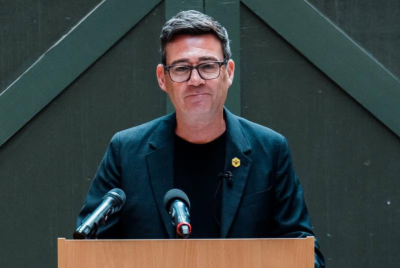
Andy Burnham has just announced his first major cost-of-living measure as prime minister, scrapping VAT on household electricity bills from October. According to the government, the move will save an average household roughly £45 a year.
The policy will cut VAT on domestic electricity from 5% to 0% from 1 October, giving families an average saving of about £3.75 a month. Although hailed as a move to provide immediate help for households struggling with high electricity bills, critics argue that the reduction is too small to make a significant impact for millions who are struggling with rising costs.
A Tax Cut Designed to Give Families 'Breathing Space'
Burnham said that the VAT reduction would help ease the financial strain families are facing following years of mounting household expenses. According to him, 'Westminster has not been working for people for too long, with families struggling with the cost of living.'
'That needs to change. I said I wanted to give people breathing space, and that's what I'm announcing today. We're taking immediate action to cut taxes on energy bills, put more money in people's pockets, and bring back hope,' he said. The measure sets the tone for Burnham's new Labour government, which has promised to address affordability concerns, bring some utilities back to public ownership, and tackle wider social challenges.
What the Electricity VAT Cut Means for Your Bills
From 1 October, households across Great Britain will temporarily stop paying VAT on their electricity bills. The government states that this will save the average household about £45 a year on its electricity bill. The cut is expected to be reflected in Ofgem's final price cap for the year, running from October to December. How much you will save depends on your electricity use. Households with higher electricity use are expected to save more because VAT is charged as a percentage of the total bill.
However, Northern Ireland will be exempt from VAT, as its electricity market is governed by separate post-Brexit arrangements. Instead, the government says it will provide funding to the Northern Ireland Executive to deliver equivalent cost-of-living support.
Why Burnham's £3 Saving Fuels Criticism
Although the government claims that the VAT cut provides households some much-needed relief, sceptics say the limited saving offers little comfort for households still facing high costs. Those concerns have been echoed by people online, with Reddit users questioning if the measure lives up to the promise of giving families 'breathing space'.
One user wrote: 'Press focuses on how it will get funded... £3 per month... How many Starbucks coffees people buy each week? It's pose and posture, not a breathing space.' Another Redditor added: 'It's only 5%—will save most people £3/month at best!'
One commenter argued that any savings from the VAT cut could prove short-lived if suppliers later raised prices again, writing: 'Remember when the levy came off in April? They reduce the bills for 1 month and then increase it back up 1 month later. Guess what? The gas price reduced; they haven't actually reduced it since. This will be the same: take the VAT out, then increase by 5%.'
The Institute for Fiscal Studies (IFS) has also raised concerns about whether the measure is effectively targeted, pointing out that gas prices have increased more than electricity costs. It warned that households facing the biggest rises in heating bills may only get limited support.
'If the goal of today's policy is to help households that have lost out as a result of the war, it is not well targeted at achieving that aim,' the IFS said. Although the VAT cut offers some relief, critics say it does little to ease the wider cost pressures facing families hit by rising bills and energy debt.
© Copyright IBTimes 2025. All rights reserved.
- Recommended For You