UK Cinemas Consider Meta Glasses Ban Over Fears Wearers Could Secretly Record Films
Cinemas in UK may ban Meta smart glasses amid fears of secret recording, raising fresh questions over access and privacy
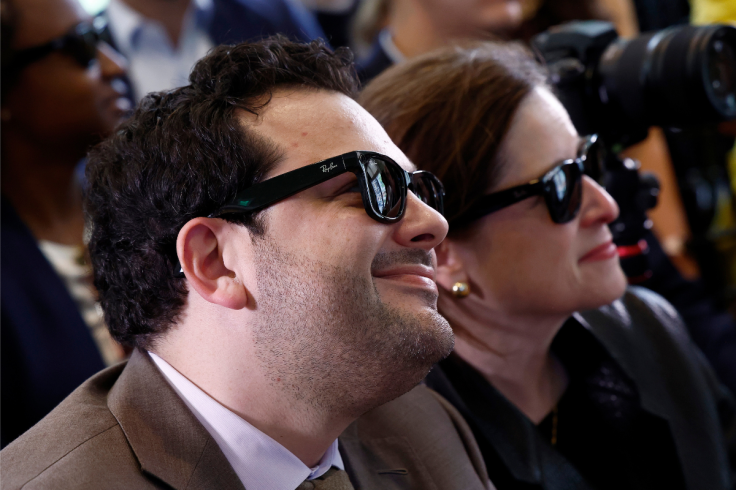
UK cinema chains are weighing up whether to restrict or ban Meta's camera‑equipped Ray‑Ban smart glasses and similar devices amid mounting fears they could be used to secretly record films.
The UK Cinema Association (UKCA), which represents the sector, has confirmed that all major operators are now examining their policies on the eyewear.
While no chain has yet introduced a formal blanket ban, the trade body said many are exploring rules to prohibit or restrict smart glasses being worn during screenings.
The devices, which have a camera built directly into the frame, have earned the nicknames 'spy glasses' and 'pervert glasses' from critics concerned that people could be recorded in public without their knowledge, including in cinemas, pubs, restaurants and courtrooms.
Sales Surge Fuels Piracy and Privacy Fears
The debate has intensified as sales of Meta's smart glasses have soared. The company is reported to have sold more than seven million pairs in 2025, aided by a high-profile advertising campaign fronted by Kylie Jenner that helped turn the device from a niche gadget into a mainstream accessory.
Meta's glasses can take photos and video, make calls, play music and interact with an AI assistant. A small light illuminates when recording is taking place, a feature Meta cites as a key safeguard, though critics argue it may be barely visible in a darkened cinema auditorium.
For cinema operators, the issue is twofold: protecting films from piracy and shielding audiences from being filmed without consent. Both carry financial and reputational risks for a sector already operating on tight margins.
Accessibility Concerns Complicate Any Ban
Any move towards a ban is complicated by the accessibility benefits some smart glasses provide. UKCA chief executive Phil Clapp has pointed out that certain models offer bespoke subtitling for deaf and hard-of-hearing users, while others can describe surroundings aloud for people with sight loss.
A Meta spokesperson said the glasses 'provide critical new technology for people in the blind and low-vision community' and warned that 'limiting how people can use this technology would be a major step backwards.' However, the company acknowledged that 'some places shouldn't be filmed at all,' and said any restrictions should be clear and consistently applied.
Other venues have already acted. Wetherspoons allows customers to wear the glasses but bans recording with them, treating the devices in the same way as smartphones. ATG Theatres, which operates venues including the Edinburgh Playhouse and Bristol Hippodrome, has said it will not permit recording of performances using Meta glasses.
Courts have taken the strictest approach. His Majesty's Courts and Tribunals Service told The Guardian that the use of Meta glasses is prohibited in courts and tribunals, in line with existing rules against photography and filming in such buildings.
Cinemas Weigh Next Steps Amid Pressure To Act
Cinemas remain caught between competing pressures: guarding against piracy and unwanted filming on one hand, and preserving access for disabled customers on the other. The UKCA said discussions were ongoing and that no nationwide policy had yet been agreed.
How individual chains resolve that balance is expected to shape the industry's approach in the coming months, with operators under pressure to act before a high-profile recording incident forces the issue.
© Copyright IBTimes 2025. All rights reserved.
- Recommended For You